




Nylon’s omnipresence in our daily lives—clothing, carpets, gear—belies its hidden environmental toll rooted in fossil fuel extraction and chemical processing. Its durability and affordability have made it a staple across industries, yet behind the scenes, vast energy consumption, greenhouse gas emissions, and chemical waste threaten ecosystems and climate stability. From the extraction of oil and natural gas to the complex polymerization process, nylon’s production depletes finite resources and leaves persistent pollution, including microplastics infiltrating oceans and landfills. As demand rises, so does the urgency for sustainable solutions, such as recycling waste nylon and developing bio-based alternatives. But can technological innovation and responsible consumer choices truly mitigate nylon’s environmental footprint? The future of this versatile material hinges on our collective effort to balance utility with ecological responsibility, challenging us to rethink not just how we produce, but how we consume and dispose of nylon amidst a changing global landscape.
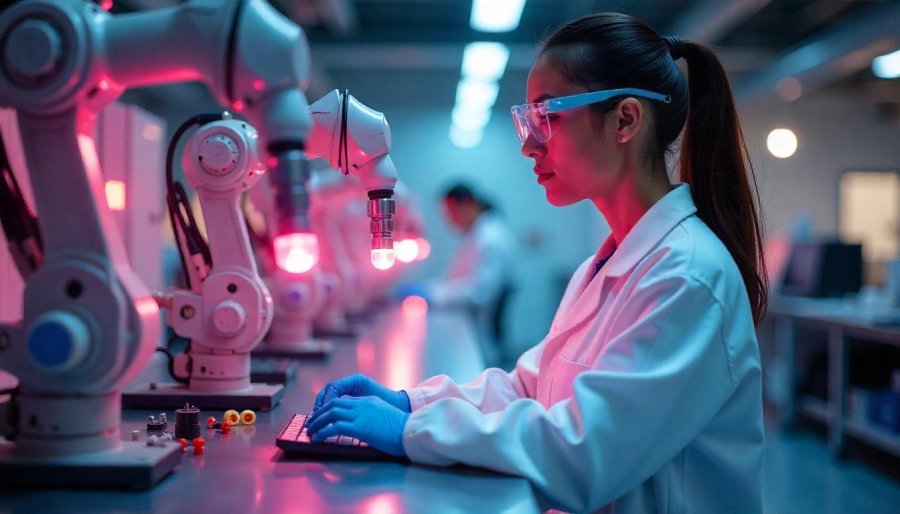
Unveiling Nylon’s Hidden Environmental Costs
Nylon is a material that’s everywhere in our daily lives, from the clothes we wear to the carpets under our feet and the gear used in sports. Its popularity stems from its strength, flexibility, and affordability, making it a go-to choice across industries. But behind its convenience lies a complex process rooted in the extraction and chemical transformation of fossil fuels, which carries significant environmental consequences. Understanding how nylon is made helps reveal the hidden costs embedded in many of the products we often take for granted.
The journey from raw materials to finished nylon begins with extracting petrochemicals—primarily oil and natural gas. These fossil fuels are processed through refining methods that separate the hydrocarbons needed for chemical synthesis. Once isolated, these chemicals undergo polymerization, a process where small molecules bond together to form long chains called polymers. These polymers are then spun into fibers, which can be woven into fabrics or used in various industrial applications. While the final product is durable and versatile, the production process demands vast amounts of energy and involves complex, often chemically aggressive procedures.
Most of this energy comes from burning fossil fuels, releasing greenhouse gases and pollutants into the atmosphere. Factories operating on a large scale emit significant quantities of nitrous oxide, a greenhouse gas over 300 times more potent than carbon dioxide in trapping heat. This directly fuels climate change, yet the connection between nylon production and its environmental impact often remains out of sight for many consumers. Alongside gases, chemical waste generated during manufacturing can contaminate nearby waterways if not properly managed. These wastes include volatile organic compounds and toxic byproducts that pose ongoing risks to ecosystems and human health, adding another layer to nylon’s environmental footprint.
The reliance on non-renewable resources makes nylon’s production inherently unsustainable. Extracting oil and natural gas involves disruptive activities like drilling, fracking, and pipeline construction, which damage landscapes, threaten wildlife habitats, and risk water contamination. As demand for nylon continues to grow, these ecological harms accelerate, depleting finite resources at an unsustainable rate. The energy-intensive chemical processes—requiring high temperatures, pressures, and corrosive catalysts—further increase environmental risks, including accidents and chemical leaks that can have long-lasting effects. This cycle of resource extraction and chemical synthesis underscores the environmental toll woven into nylon’s very fabric.
Beyond emissions and resource use, solid and liquid wastes from manufacturing are persistent challenges. Toxic waste streams can seep into soil and water if not properly contained, contaminating ecosystems and impacting communities. Chemical runoff from factories often goes unnoticed until it causes health issues or ecological collapse. These ongoing pollution issues highlight how nylon production leaves a broad environmental footprint that extends well beyond factory walls. Recognizing these impacts is crucial as we consider the true cost of synthetic fibers, from climate change to microplastic pollution, which continues long after nylon products are discarded.
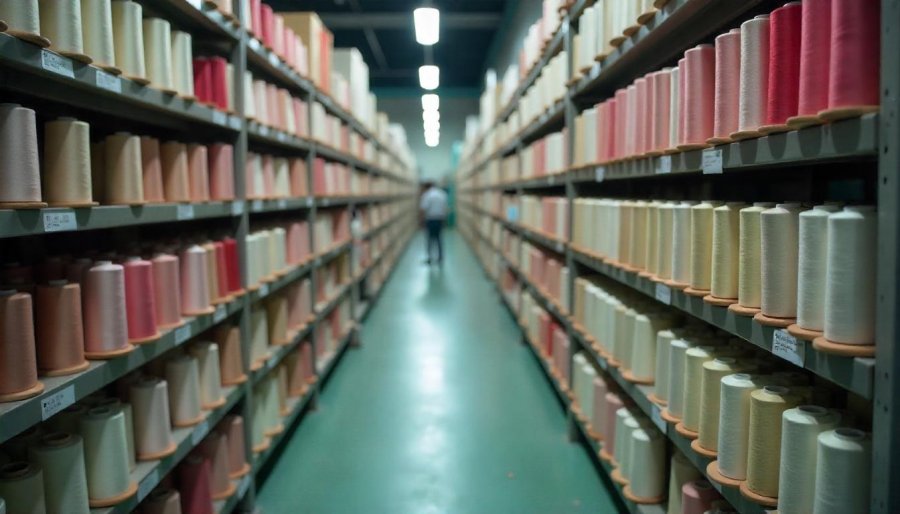
From Petrochemicals to Pollution: The Environmental Toll of Nylon Manufacturing
Nylon’s production starts with the extraction of petrochemicals—mainly oil and natural gas—which serve as the raw ingredients for its synthesis. These fossil fuels undergo extensive refining processes to separate the hydrocarbons needed for chemical reactions. The resulting chemicals are then subjected to polymerization, where small molecules are chemically bonded into long, chain-like structures called polymers. This process transforms simple hydrocarbons into the versatile fibers that will eventually become nylon fabric or industrial components. While the end product boasts durability and flexibility, the journey from raw material to finished fiber is energy-intensive and involves complex chemical procedures that carry considerable environmental costs.
Most of the energy powering nylon production comes from the combustion of fossil fuels, releasing a significant amount of greenhouse gases and pollutants into the atmosphere. Large-scale factories emit substantial quantities of nitrous oxide, a greenhouse gas over 300 times more potent than carbon dioxide in trapping heat. These emissions directly contribute to global warming, yet their link to nylon manufacturing often remains invisible to consumers. Alongside gases, chemical waste streams—comprising volatile organic compounds and toxic byproducts—are generated during processing. If not properly managed, these wastes can contaminate nearby waterways, posing ongoing threats to aquatic ecosystems and human health.
The dependence on finite, non-renewable resources makes nylon’s manufacturing inherently unsustainable. Extracting oil and natural gas involves disruptive activities such as drilling, fracking, and pipeline construction, which damage landscapes, threaten wildlife habitats, and risk water contamination. As demand for nylon surges worldwide, these environmental harms accelerate, depleting resources that cannot be replenished at the same rate. The chemical reactions involved in polymerization demand high temperatures, pressures, and corrosive catalysts, further intensifying the environmental footprint. These conditions increase the risk of accidents and chemical leaks, with long-lasting impacts that extend beyond the factory walls.
Beyond the emissions and resource depletion, the waste generated during nylon production poses persistent environmental challenges. Solid residues and liquid effluents, often laden with toxic chemicals, can seep into soil and water if not carefully contained. Improper disposal or accidental leaks lead to contamination that affects ecosystems and nearby communities, sometimes lingering unnoticed for years. Chemical runoff from factories contributes to long-term ecological degradation, undermining local water quality and soil health. This continuous pollution underscores how nylon’s manufacturing footprint extends far into the environment, often with invisible but severe consequences.
The lifecycle of nylon doesn’t end at production. Microfibers shed during manufacturing and subsequent use wash away into oceans and soils, where they become microplastics—tiny fragments that are nearly impossible to fully capture or eliminate. These microplastics are ingested by marine life, entering the food chain and threatening biodiversity. Additionally, because nylon fibers are resistant to decomposition, they persist in landfills for hundreds of years, gradually breaking down into smaller fragments that continue to pollute ecosystems long after disposal. This long-lasting presence amplifies nylon’s environmental toll, linking its production directly to ongoing pollution problems.
Addressing the environmental damage caused by nylon requires a shift in both industry practices and consumer habits. Innovations like recycling nylon from waste streams—such as fishing nets and discarded garments—offer a way to reduce reliance on virgin petrochemicals and divert plastic waste from landfills and oceans. Researchers are also developing bio-based nylons made from renewable sources like corn or sugarcane, aiming to replicate nylon’s qualities while lowering ecological impact. However, scaling these alternatives remains a challenge, and widespread adoption depends on technological advances, regulatory support, and consumer demand. Transitioning to greener practices is essential if nylon’s environmental footprint is to be minimized while maintaining its utility in our daily lives.
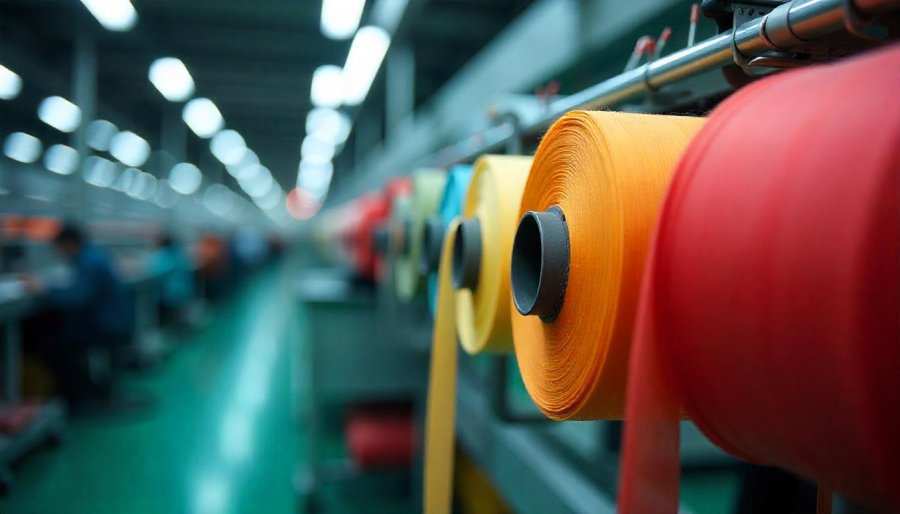
Navigating the Future: Sustainable Solutions and Global Responsibilities for Nylon
Today, nylon remains one of the most prevalent synthetic fibers in our everyday environment. From the clothing we wear and the carpets we walk on to the fishing gear and industrial materials, its durability, affordability, and versatility keep it in high demand. However, as global consumption continues to rise, so do the environmental challenges linked to its production and disposal. The reliance on fossil fuels for manufacturing means that every yard of nylon contributes to a cycle of ecological strain—an often overlooked reality behind the convenience.
Across different regions, responses to nylon’s environmental footprint vary. Countries with strict environmental regulations, such as many in Europe and North America, have begun implementing measures like stricter emission controls and encouraging recycling initiatives. These efforts aim to reduce the pollution generated during manufacturing and promote alternative materials. Yet, enforcement gaps and technological barriers mean that many regions, especially in developing countries, lag behind, making global progress uneven. This patchwork approach underscores the need for coordinated international strategies that can effectively address the widespread impact of nylon’s lifecycle.
Innovation is increasingly shaping the future of nylon. Recycling from waste streams—such as discarded fishing nets, textile scraps, and old garments—has gained traction as a way to lower demand for virgin petrochemicals and divert plastic waste from landfills and oceans. Such recycled fibers support a circular economy and demonstrate that sustainable production is possible within existing infrastructure. Concurrently, researchers are developing bio-based nylons derived from renewable sources like corn and sugarcane. While these alternatives show promise, scaling production to meet global demand remains a significant hurdle, requiring technological breakthroughs and investment.
Technological advances also point toward biodegradable synthetic fibers that can break down more rapidly after disposal, reducing long-term environmental persistence. Companies are experimenting with greener chemicals, cleaner energy sources for manufacturing, and improved waste management practices. These innovations suggest a future where nylon production causes less harm, but widespread adoption hinges on overcoming economic and infrastructural challenges. Consumer awareness and demand for sustainable products are critical drivers that can accelerate this transition, urging brands to prioritize eco-friendly alternatives.
Consumers play a vital role in shaping nylon’s future. As awareness of microplastic pollution and resource depletion grows, many are choosing products made from recycled or bio-based nylon. Supporting brands committed to transparency and sustainable practices influences market trends, encouraging manufacturers to adopt greener methods. Small shifts—like opting for environmentally friendly textiles—can collectively push the industry toward more responsible production and consumption patterns. This consumer-driven momentum is essential to creating meaningful change and reducing nylon’s environmental footprint.
Policy and industry leadership are equally crucial. Governments must strengthen regulations, incentivize sustainable practices, and support research into alternative materials. Industry players need to invest in innovation, improve supply chain transparency, and prioritize waste reduction. Collaboration across sectors can foster the development of scalable, eco-friendly solutions that maintain nylon’s utility while minimizing ecological harm. The challenge lies in balancing economic growth with environmental responsibility, but with coordinated effort, progress is within reach.
While these developments are promising, the path to sustainability isn’t straightforward or quick. It requires continuous effort, investment, and a willingness to rethink long-standing practices. Education and awareness campaigns can reinforce the importance of responsible consumption, while technological breakthroughs can make sustainable nylon more accessible and affordable. The combined influence of policy, industry, and consumers can create a ripple effect, gradually transforming nylon’s role in our economy and environment.
Ultimately, the future of nylon depends on our collective ability to innovate and adapt. By embracing recycling, bio-based alternatives, and greener manufacturing, we can significantly reduce its environmental toll. Recognizing the interconnectedness of these efforts—where policy, industry, and individual choices align—will be key to turning the tide on nylon’s ecological impact. Moving forward, it’s not just about producing less nylon but about producing smarter, greener, and more responsibly, ensuring that this versatile material no longer comes at such a high environmental cost.