




Embark on a humorous and honest journey into the chaotic world of DIY computer upgrades, where tangled wires, incompatible parts, and misadventures are part of the package. While the allure of customizing your system for better performance is compelling, the reality often involves a series of troubleshooting, patience-testing mishaps, and unexpected surprises. From fishing screws out of tight corners to battling spaghetti-like cables, the process tests your resilience and problem-solving skills. Yet, amid the frustration, there’s a sense of mastery, learning, and camaraderie as you navigate these hurdles. Each mistake becomes a badge of experience, transforming chaos into confidence. This guide not only highlights common pitfalls and practical tips but also celebrates the unpredictable, humorous journey of mastering your hardware. Are you ready to turn tangled cables and setbacks into stepping stones for growth, making every upgrade a memorable learning adventure?

Unleashing Your Inner Tech Enthusiast: The Joy and Challenge of DIY Upgrades
Upgrading a personal computer is often seen as a rite of passage for anyone interested in tech. Whether you’re a casual user wanting faster boot times or a dedicated enthusiast chasing the latest graphics card, the appeal lies in customizing your system without splurging on a brand-new machine. It’s about taking control—making your setup more responsive, more tailored to your needs, and often more affordable. Swapping out an old hard drive for a speedy SSD or adding more RAM to handle multiple tasks feels like a small victory, a way to breathe new life into aging hardware.
But the reality of DIY upgrades rarely matches the smooth, straightforward process we imagine. Instead, it often turns into a chaotic adventure filled with tangled cables, incompatible parts, and unexpected surprises. What begins as a simple plan—speed up your PC or improve gaming performance—can quickly spiral into hours of troubleshooting and reassembly. The scattered tools, confusing manuals, and a mountain of screws almost seem like part of a rite of passage. Despite the frustration, there’s a shared sense of satisfaction that comes with tackling these projects, even if your desk looks like a hardware scrapyard afterward.
People choose DIY upgrades because they enjoy the sense of mastery and customization it offers. It’s a chance to peek behind the curtain, understanding how each component works and making decisions based on personal needs rather than pre-built options. Many find it rewarding to learn about hardware compatibility, BIOS settings, and proper cable management—skills that turn a frustrating mess into a learning experience. Plus, doing it yourself often costs less than buying a pre-assembled system, making it an attractive option for budget-conscious tech lovers.
Of course, there are moments when things go awry. Compatibility issues crop up unexpectedly, cables turn into a spaghetti mess, and a dropped screw can seem like a minor disaster. These mishaps are all part of the process—sometimes a screw slips, or static shocks threaten to fry sensitive parts. While these setbacks can be maddening, they also become part of the story you’ll tell later, proof of your perseverance and growing expertise. Each challenge overcome adds a layer of confidence and a new lesson learned.
Despite the chaos, many find the process oddly addictive. The thrill of finally booting up a system after hours of tinkering, or the pride in a clean, organized build, makes all the hassle worthwhile. It’s a journey that tests patience but ultimately rewards curiosity and resilience. Every tangled wire or misfit component becomes a badge of honor—proof that you’re learning, experimenting, and growing as a builder.
Ultimately, DIY upgrades aren’t just about hardware—they’re about gaining confidence, developing problem-solving skills, and embracing the unpredictable. The mess and mishaps may be frustrating in the moment, but they forge a deeper understanding of your machine and your own abilities. In the end, it’s these experiences—full of humor, setbacks, and small victories—that make the journey memorable and worth every tangled cable.
The Comedy of Tech Upgrade Chaos: Hilarious Mishaps and Frustrations
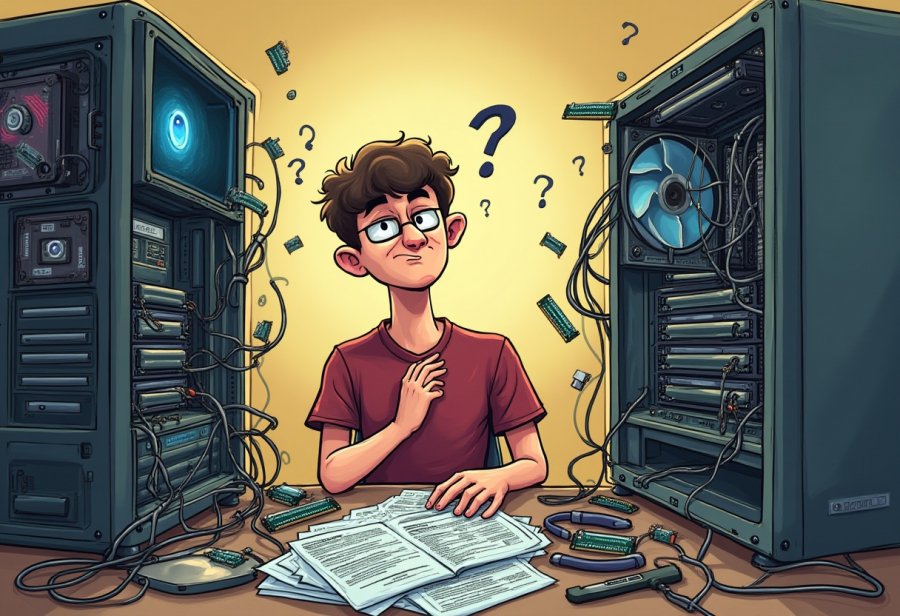
When you dive into a DIY computer upgrade, humor often sneaks in amidst the chaos. Cables tend to turn into a tangled nest, resembling a spaghetti dinner gone wrong rather than tidy wiring. As you disconnect old parts and try to slot in new ones, wires twist, fray, and knot themselves into confusing shapes, making what should be a straightforward task feel like an elaborate rescue mission. It’s all too easy to spend more time untangling cables than actually installing components, with each new twist promising another screw to slip or connector to come loose.
Dropping a screw into the case has become almost a rite of passage. No matter how careful you are, it always seems to happen at the worst moment—suddenly, you’re on your hands and knees, fishing behind the motherboard or scrambling to find that tiny piece that vanished. Sometimes, the screw ends up in places you’d never expect, like under a fan or lodged deep in a corner, forcing you to dismantle half the case just to retrieve it. These moments turn a simple upgrade into a scavenger hunt, testing your patience and sense of humor.
Incompatibility issues are another comedy of errors. You might buy what looks like the perfect graphics card online, only to realize it barely fits or conflicts with your existing hardware. Installing new RAM sticks can become a puzzle if you’re unfamiliar with the correct slots or if your motherboard has specific configurations. What should be a quick swap often turns into a frustrating game of trial and error, with reboots, BIOS resets, or even hardware damage if you’re not cautious.
Then there are the accidental mishaps—static shocks, applying too much force when seating a delicate component, or knocking over a screw onto your motherboard. These mishaps happen in the heat of the moment, especially when rushing or distracted. Static electricity can fry a CPU or motherboard instantly, and a bent pin or damaged connector can turn your shiny new hardware into a paperweight. Recognizing these warning signs early can save hours of troubleshooting or the expense of replacements.
Cable chaos is perhaps the most hilarious part of the process. Watching someone try to manage a jumble of wires, all crisscrossing and looping around each other, looks like a scene from a slapstick comedy. Holding a bundle of cables, trying to untangle without yanking loose or causing a short, is both frustrating and amusing. Sometimes, attempts to tidy up only create an even bigger mess, with wires blocking airflow or knocking over tools and components.
And let’s not forget those classic “Did I forget to plug that in?” moments. Everything powers on—fans spin, lights glow—but the monitor stays dark. Double-checking connections often reveals that a crucial power cable or data plug was overlooked. These simple oversights turn a quick upgrade into a full debugging session, with online forums, YouTube tutorials, and a lot of head-scratching. Despite all the mishaps, there’s a strange camaraderie in the chaos. Sharing stories of dropped screws, wrong parts, or tangled cables becomes part of the fun. Each mistake is a badge of honor, proof that you’re learning and growing as a builder. The more chaos you encounter, the better prepared you are for future projects—and the more you realize that humor is the best tool to get through setbacks.

Common Pitfalls and Breakdown Points: Spotting and Avoiding Upgrade Traps
When diving into a DIY upgrade, rushing without double-checking compatibility is a common pitfall that can quickly derail your project. Buying a graphics card that’s too long for your case or installing RAM that doesn’t match your motherboard’s specifications often results in hours of frustration. Skipping this step might seem harmless in the moment, but it can lead to non-booting systems or hardware damage. Spending a few minutes verifying specs and measurements beforehand can save you from a mountain of troubleshooting later.
Static electricity is another sneaky hazard many overlook. That tiny shock might seem insignificant, but it can instantly fry sensitive components like your CPU or motherboard. Handling parts without grounding yourself or neglecting an anti-static wrist strap increases the risk of irreparable damage. A small precaution, such as touching a grounded metal object before working, can prevent costly mistakes and avoid hours of head-scratching over mysterious hardware failures.
Cable management often becomes a source of trouble when builders shove wires into corners without much thought. Tangled cables aren’t just an eyesore—they can block airflow, causing overheating and noise issues down the line. Recognizing when your wiring is becoming a spaghetti mess early on is key. Taking the time to route and secure cables properly might slow down the process initially, but it pays off in cooler, quieter, and more reliable operation.
Component damage is a real risk when you’re not paying close attention. Applying too much force when seating a CPU or accidentally dropping a screw onto your motherboard can cause irreversible harm. These mistakes usually happen in a rush or when distracted, and they often lead to hours of troubleshooting or expensive replacements. Watching for signs like unusual error messages or system instability can alert you that something’s amiss before damage occurs.
Mismatched or incompatible parts are silent killers for DIY upgrades. Installing a power supply that doesn’t provide enough wattage or RAM that isn’t supported by your motherboard might seem fine until your system refuses to start. These issues often crop up after assembly, leaving you puzzled. Double-checking specifications and using online compatibility tools before buying is the best way to avoid these headaches.
Finally, overlooking simple but essential steps like securing all cables and connectors can cause major setbacks. Forgetting to plug in a power cable or mismatching data connections can turn a straightforward upgrade into a debugging marathon. Carefully reviewing each connection before powering on saves valuable time and prevents unnecessary stress.
By staying vigilant and methodical, you can spot these pitfalls early and steer clear of common breakdown points. Recognizing warning signs—like unusual noises, error codes, or system instability—helps you address issues before they escalate. A little extra attention upfront makes your upgrade smoother, less stressful, and ultimately more successful.
Navigating the Chaos: Practical Tips and Lessons for Smooth Upgrades
When tackling a DIY computer upgrade, a little bit of preparation makes all the difference in keeping the chaos under control. Start by doing thorough research on your specific hardware—double-check compatibility, watch a few tutorials, and read the manuals. Having a clear plan helps prevent rushing into steps you might regret later. Organize your workspace so tools, screws, and parts are within arm’s reach. Laying out a step-by-step process keeps you focused and avoids skipping crucial details when the pressure increases.
Cable management is often overlooked until it becomes a problem. As you connect new components, route wires carefully, using zip ties or Velcro straps to keep everything tidy and out of airflow paths. Label each cable at both ends if possible—this simple step makes troubleshooting much easier later on and reduces the chances of unplugging something essential. Taking a moment to organize your wiring from the start prevents future headaches and promotes better cooling and quieter operation.
Before opening your case, verify that all parts are compatible. Use online tools, manufacturer specifications, and checklists to confirm your hardware will fit and work together seamlessly. For example, ensure your graphics card isn’t too long for your case, or that your power supply can handle the load. Spending a few minutes on this upfront can save hours of troubleshooting after assembly. It’s far better to catch mismatches early than to discover issues only after powering everything on.
Handling components with care is crucial, especially when it comes to static electricity. Always ground yourself before touching sensitive parts—use an anti-static wrist strap or touch a grounded metal surface. A tiny static shock can instantly fry your CPU or motherboard, turning what should be a simple upgrade into a costly repair. This quick precaution takes seconds but can save you hours of headaches and expense.
Patience is your best ally throughout the process. If something doesn’t fit or work immediately, don’t force it. Recheck your connections, revisit your instructions, and take a break if needed. Sometimes, a fresh perspective reveals simple fixes or overlooked details. Embracing the inevitable chaos with a calm, methodical approach transforms what might feel overwhelming into a manageable challenge. Each obstacle you overcome builds confidence and sharpens your troubleshooting skills.
Finally, remember that mistakes and setbacks are part of the journey. The more you accept and learn from these moments, the smoother your future upgrades become. Every tangled cable or misfitted part turns into a lesson in patience and problem-solving. With a bit of preparation, a focus on organization, and a relaxed mindset, you’ll navigate the chaos more easily—and end up with a system you’re proud of. The process might be messy, but it’s also rewarding, fun, and a great way to grow your skills.
Conclusion: Embracing the Chaos and Growing Through the Mess
The chaos that comes with DIY computer upgrades might seem overwhelming at first, but it often becomes the most valuable part of the learning process. Each tangled cable or misplaced screw transforms from a source of frustration into a lesson in patience and adaptability. Over time, these mishaps shift from setbacks to badges of experience, proof that you’re gaining confidence and honing your skills. Looking back, what once felt like a disaster can become a funny story—reminding you of how far you’ve come.
These moments of misstep teach resilience. Every dropped screw, misread manual, or unexpected compatibility issue pushes you to slow down and think critically. They deepen your understanding of your hardware, strengthening your troubleshooting abilities. Instead of dreading setbacks, you begin to see them as essential parts of growth—opportunities to learn and improve. Each challenge you overcome boosts your confidence, making the next project feel a little less daunting.
Embracing the mess and unpredictability transforms the upgrade experience into something more enjoyable. Rather than striving for perfection on the first try, you accept that some chaos is inevitable—and even necessary. This mindset turns what could be a stressful chore into a fun puzzle, where every problem solved feels like a small victory. Finding humor in mistakes helps keep the mood light and reminds us that perfection isn’t the goal—progress is.
Sharing stories of your mishaps, from tangled wires to missing screws, creates a sense of community. These shared experiences connect you with others who’ve faced similar frustrations. Laughing at the inevitable setbacks fosters camaraderie and makes the process more approachable. Recognizing that everyone stumbles normalizes the chaos, encouraging a more relaxed and patient attitude toward future upgrades.
The lessons learned through these chaotic moments build a more resilient, resourceful mindset. Each obstacle reinforces the idea that setbacks are just part of the journey—not signs of failure. This perspective makes future upgrades less intimidating and more about curiosity and growth. With each challenge, you develop a toolkit of skills and confidence that prepare you for whatever comes next.
In the end, the true reward isn’t just a upgraded system—it’s the sense of achievement and self-reliance that comes from navigating the chaos. These unpredictable moments, filled with humor and occasional frustration, are what make your DIY journey memorable. They remind you that growth often happens in the messiest places, and with patience and a good sense of humor, you’ll find that setbacks are just stepping stones toward mastery.