




Imagine transforming your daily walks into peaceful moments of connection with your dog—does it seem attainable? Mastering calm, controlled walking isn’t just about obedience; it’s about building trust, reducing stress, and enhancing your bond. This guide explores practical techniques to teach focus, manage distractions, and reinforce positive behavior, even in bustling environments. Do setbacks mean failure, or are they opportunities to refine your approach? With patience, consistency, and the right tools, you can turn routine outings into shared experiences of mutual respect and joy. From understanding fundamental commands to navigating real-world challenges like overstimulation and environmental hazards, this journey emphasizes confidence, safety, and emotional connection. Whether investing in quality gear or seeking professional guidance, every step you take deepens your partnership with your pet. Are you ready to unlock the benefits of calm walking and make every walk a rewarding, bonding adventure?
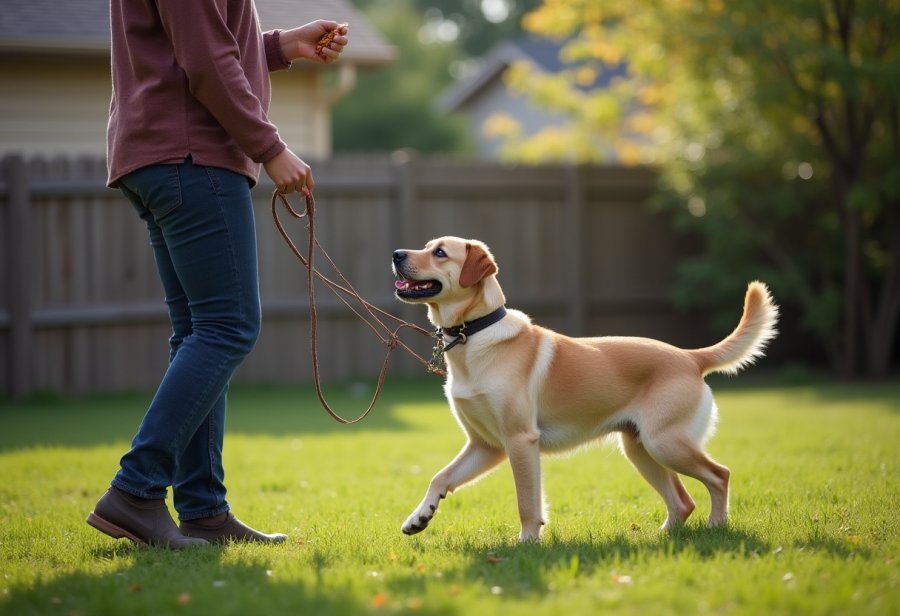
Transform Your Outings: Master Calm Dog Walking for Trust and Joy
Walking calmly with your dog might seem straightforward, but it’s actually one of the most valuable skills you can teach. A relaxed walk isn’t just about good manners; it’s about building trust and improving communication between you and your pet. When your dog learns to stay calm by your side, outings become safer, more enjoyable, and less stressful for everyone involved. It’s not just about preventing pulling or barking—it’s about creating a shared experience rooted in mutual understanding.
A calm walk transforms everyday routines into moments of connection. When your dog remains relaxed, they’re more focused, more responsive, and more eager to follow your lead. This calmness also helps reduce anxiety and prevents behavioral issues like lunging or excessive excitement. Over time, these walks become a foundation for a stronger bond, built on trust and clear signals.
Mastering calm walking isn’t just about leash manners; it’s about fostering a relationship based on patience and consistency. When your dog can walk peacefully at your side, it signals that they trust your guidance and feel secure with you. This sense of safety encourages attentiveness and makes each walk a positive, bonding experience.
A peaceful walk benefits your dog’s well-being too. Less stress and overstimulation mean a happier, more balanced pet. It creates a calm environment where your dog can explore and enjoy without feeling overwhelmed, reinforcing positive associations with walks.
This guide will explore practical techniques to help you achieve calmness during outings. From commands like “heel” and “focus” to managing distractions, you’ll learn how to turn everyday walks into peaceful, bonding moments. Building this skill takes patience, but the rewards are worth it. When you and your dog walk in harmony, it’s more than just exercise—it’s a shared experience of trust and connection that strengthens your relationship for years to come.
Laying the Groundwork: Essential Dog Walking and Training Fundamentals
Understanding the basics of dog walking and training is essential for establishing calm, effective leash manners. Central to this is knowing how to communicate with your dog through simple commands like “heel,” which keeps them close and attentive, and “focus,” which captures their attention amid distractions. These cues create a shared language that simplifies training and promotes consistency, making it easier for your dog to respond reliably. Reward-based techniques—using treats, praise, or toys—are proven to motivate and reinforce good behavior, turning training into a positive experience for both of you.
Modern dog training emphasizes kindness and patience over dominance or punishment. By understanding dog psychology and building trust, you encourage cooperation and reduce anxiety. Recognizing triggers like loud noises or busy streets helps you manage their reactions better, creating a calmer walk. Establishing routines and gentle corrections fosters mutual understanding, laying a foundation for relaxed outings.
Clear communication is key. When your dog responds correctly, rewarding their focus and calmness reinforces that good behavior pays off. Consistency in your commands and responses helps your dog learn faster and feel secure. Training becomes a collaborative process rooted in respect, making walks more predictable and peaceful.
Familiarity with basic terminology and principles isn’t just academic; it’s practical. It guides your actions in real-world situations, helping you stay calm and focused. When you understand your dog’s cues and needs, you can tailor your approach, making every walk a step toward greater harmony and trust.
Deep Dive: Effective Strategies for Calm and Controlled Walks
Achieving a calm and controlled walk starts with teaching your dog to focus on you through simple commands like “look” or “watch me.” When your dog learns to pay attention, distractions such as passing cars or barking dogs become less tempting, making it easier to keep them relaxed. Reinforcing these cues consistently with treats or praise helps your dog associate focusing on you with positive outcomes, gradually building their ability to stay calm in different environments.
Leash management plays a crucial role. Using a short, loose leash allows you to maintain gentle control without causing discomfort. If your dog pulls or gets distracted, gently stop or redirect their attention, then immediately reward their calm behavior. This reinforces that staying close and relaxed results in praise and treats, creating a positive feedback loop. Over time, your dog will learn that calm walking leads to rewards, making the behavior more natural.
Practicing controlled pauses during walks helps reset your dog’s mood when they become overly excited. When pulling or reacting, stopping briefly and asking for focus teaches that calmness is rewarded. Gradually exposing your dog to new environments and distractions in small steps builds confidence while reducing overstimulation. Patience and consistency are your best tools; training takes time, but persistence pays off.
Positive reinforcement is at the heart of these techniques. Whenever your dog responds correctly—whether it’s focusing on you, walking beside you, or pausing calmly—immediately reward them. Using treats, praise, or toys helps solidify good habits and fosters trust. Keep training sessions short and frequent, ending on a positive note to prevent frustration.
Integrating these strategies into your daily routine turns walks into opportunities for trust and bonding. Celebrate small victories—like your dog ignoring distractions or walking without pulling—as they build confidence and reinforce calmness. Over time, these techniques become second nature, transforming routine walks into peaceful moments of connection and mutual respect.
Real-Life Success Stories: Applying Calm Walking Techniques in Every Situation
Real-world situations often test a dog’s ability to stay calm and focused during walks. For example, a dog pulling toward other animals or getting distracted by loud noises highlights why consistent training matters. One owner worked patiently with a Labrador overwhelmed by city streets; through gradual exposure and positive reinforcement, the dog learned to focus on his owner, turning stressful walks into enjoyable outings. Similarly, a rescue dog with high anxiety gradually relaxed with steady leadership and socialization, making walks less stressful and more bonding.
Leash reactivity, like barking or lunging at passing dogs, can be addressed by teaching your dog to focus on you. Using cues like “look,” combined with immediate praise, reduces reactive behaviors over time. Exposing your dog to busy parks or streets gradually builds confidence, with patience and calm redirection helping them manage overstimulation. When setbacks happen, calmly removing your dog from the overstimulating environment prevents escalation.
Noises and crowded areas can cause your dog to overreact. Recognizing signs like stiff body posture early allows you to give your dog a break or move to quieter spots. If they start to overreact, gently redirect their attention and give them time to settle. Consistent, positive handling helps your dog develop resilience in any setting.
Environmental hazards such as uneven terrain or toxic plants require careful route planning. Choosing safe paths and inspecting your surroundings keeps your walks safe and stress-free. When your dog reacts unexpectedly, staying calm and redirecting their focus reinforces calm behavior. Over time, these strategies build confidence and trust, making walks more enjoyable.
If persistent issues arise, professional trainers can offer tailored guidance. Their expertise helps address complex triggers safely, complementing your ongoing efforts. Recognizing early warning signs and managing risks proactively creates a safer, more effective training environment.
Every setback is a chance to learn. Responding calmly and celebrating small successes—like ignoring distractions—builds your dog’s confidence. Flexibility and patience turn challenging moments into opportunities for growth, strengthening your bond. With consistent effort, peaceful walks become a natural part of your shared routine.
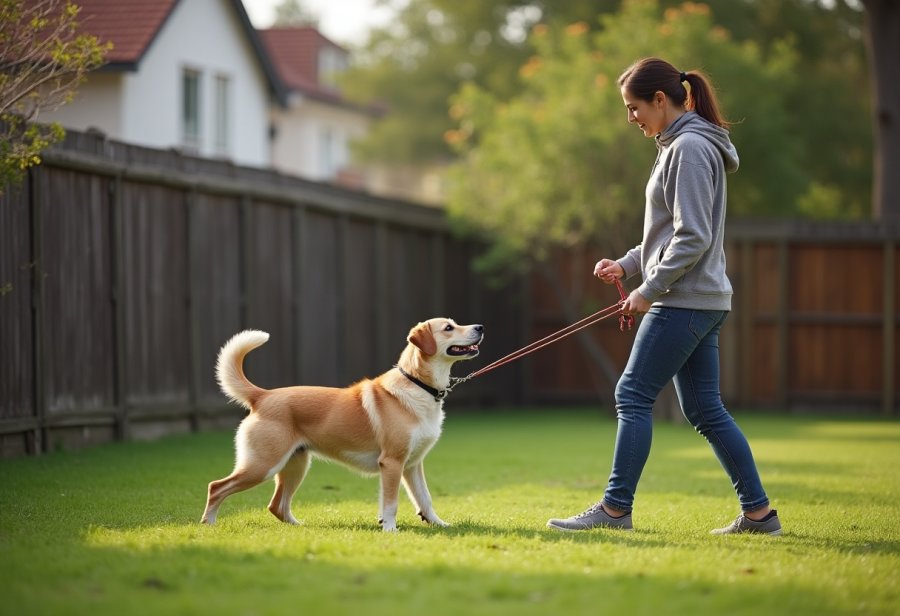
Smart Spending: Budgeting and Resources for Successful Dog Training
When planning your budget for calm dog walking training, it’s essential to consider the tools and resources that will support your progress. Investing in quality equipment like a durable leash, a comfortable harness, or a reliable collar can make a noticeable difference. While cheaper options might seem attractive initially, they often compromise control and comfort, making training more difficult and less effective in the long run.
If you’re considering professional help, private training sessions or group classes typically range from $50 to $150 per hour. Though these costs may add up, they often speed up learning and help you avoid common pitfalls. Online courses and instructional videos offer a more budget-friendly alternative, generally costing between $20 and $100, providing flexible options to learn at your own pace.
Choosing the right gear and seeking expert guidance early can save you time and frustration, preventing setbacks that might require costly retraining later. Prioritize durable, well-made equipment like a sturdy leash or a well-fitting harness, which tend to last longer and offer better control. Additionally, explore community resources—many shelters or pet organizations provide low-cost training classes or subsidies, making professional support more accessible.
Smart spending on quality tools and guidance creates a solid foundation for successful training. It ensures your efforts stay on track without financial stress, making the journey toward calm walks more manageable and ultimately more rewarding for both you and your dog.
Step-by-Step Planning: Executing Effective Calm Dog Walking Training
To effectively train your dog for calm walking, start by setting clear, achievable goals. Decide what success looks like—whether it’s walking without pulling for a certain distance or maintaining focus despite distractions. Having specific targets keeps your training focused and motivating. Establish a routine with short, daily sessions to build consistency, making training a regular part of your dog’s day. Prepare treats or praise tools beforehand and stay calm and confident during each walk to set a positive tone.
Gradually introduce distractions, beginning in quiet, familiar environments before progressing to busier areas. Use positive reinforcement immediately when your dog responds well—rewarding focus, walking beside you, or pausing calmly. This creates a positive feedback loop that encourages calm behavior. Keep sessions brief but frequent, ending each on a positive note to prevent frustration and fatigue.
Monitoring your dog’s progress helps you refine your approach. Keep a simple record of what works and where your dog struggles, so you can adjust your training plan accordingly. Patience and consistency are key—training is a process, not an overnight fix. Over time, your dog will gain confidence and learn to stay calm in a variety of settings.
Be flexible with your methods, adapting to your dog’s individual needs and responses. Celebrate small victories and don’t rush setbacks; each is an opportunity for learning. If progress stalls, consider seeking guidance from a professional trainer to provide tailored strategies. With steady effort, calm walks will become a natural, rewarding part of your daily routine.
Proactive Prevention: Managing Risks to Ensure Calm, Safe Walks
Training your dog for calm walks means being prepared for setbacks and managing risks before they escalate. Overstimulation from busy streets, crowded parks, or loud noises can overwhelm even well-trained dogs. Recognizing early signs like stiff posture, frantic looking, or pulling allows you to act swiftly—slowing down, moving to quieter spots, or giving your dog a brief break helps keep things on track.
Leash discomfort is another common issue; using harsh collars or tight harnesses can cause pain or anxiety, making your dog resistant or fearful. Ensuring a proper fit and choosing humane gear keeps your dog comfortable, which is vital for maintaining calm behavior. Reactiveness toward other animals or people often surfaces in reactive dogs. Gentle desensitization combined with positive reinforcement gradually reduces aggressive or anxious responses, preventing setbacks from spiraling.
Environmental hazards such as uneven terrain or toxic plants require careful route planning. Regularly inspecting your walking area minimizes injury risks and helps you stay ahead of potential problems. When challenges arise, stay calm and avoid punishment. Instead, redirect your dog’s attention, pause if needed, and reinforce calm behavior. Rushing through overstimulating situations can worsen reactivity, so proceed gradually.
If persistent issues persist, consulting a professional trainer can provide tailored strategies. Their expertise helps you tackle complex triggers safely and effectively, complementing your ongoing efforts. Recognizing early warning signs and addressing risks proactively creates a safer, smoother training journey, building confidence for both of you.
Creating Joyful Journeys: Enhancing the Dog Walking Experience
Building a better walking experience starts with establishing a calm, confident presence that your dog can trust. When your dog feels safe and understood, walks become more than just exercise—they turn into meaningful moments of connection. Gentle, consistent guidance paired with positive reinforcement helps your dog associate walks with good feelings, fostering trust and cooperation. Choosing scenic, peaceful routes can reduce stress and overstimulation, making it easier for your dog to stay focused and relaxed.
Creating a peaceful atmosphere isn’t just about the environment; your energy matters too. Walking with steady posture and calm demeanor encourages your dog to mirror that tranquility. Use praise and treats when your dog responds well, reinforcing attentive and relaxed behavior. This approach not only makes walks more enjoyable but also deepens your bond, built on mutual respect.
Incorporating fun training exercises along the way turns routine outings into engaging adventures. Teaching your dog to “find it” with hidden treats or practicing focus cues during breaks keeps their mind active and attentive. These small activities boost confidence and make the experience more rewarding for both of you.
Timing is key—early mornings or quieter times mean fewer distractions, helping your dog remain steady. Over time, these mindful choices create a positive rhythm, transforming walks into shared moments of joy and trust. Every walk becomes an opportunity to grow closer and enjoy each other’s company, making the journey as fulfilling as the destination.
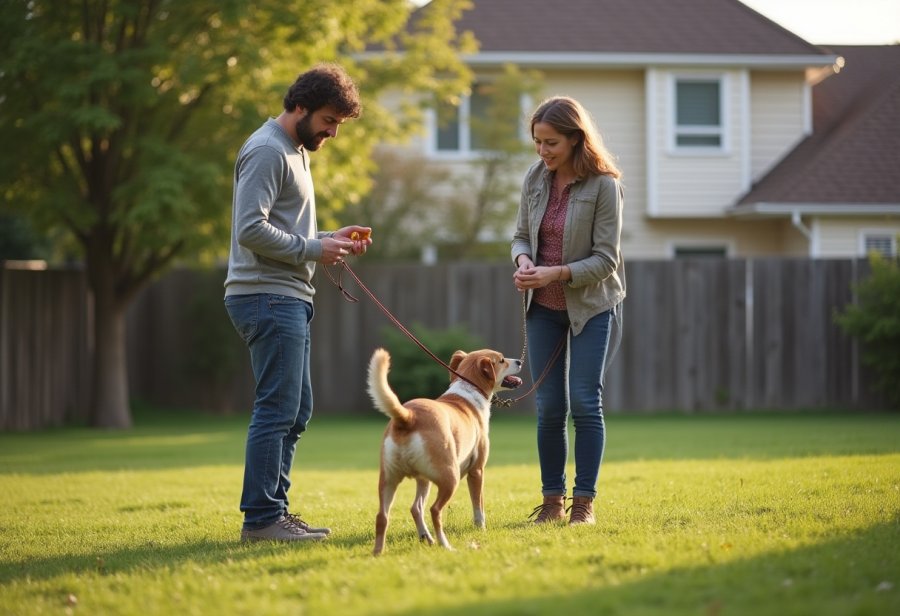
Your Path Forward: Summing Up and Next Steps for Calm, Confident Walks
Mastering calm, controlled walks with your dog is an ongoing journey that rewards patience and consistency. Each walk provides an opportunity to reinforce good habits and deepen your bond, making progress happen gradually. Small victories—like your dog ignoring distractions or walking beside you without pulling—build confidence and motivation for both of you. Remember, setbacks are part of the process; they offer chances to learn and refine your approach. Staying patient and adaptable ensures your training remains effective and enjoyable.
Regular practice and clear routines keep calm walking habits ingrained. Over time, these behaviors become second nature, transforming a challenge into a natural part of your daily life together. Celebrate every small success, as each one adds to your dog’s trust and your mutual understanding. Recognize that environments will vary, and your approach may need adjustments—flexibility is key to sustained progress.
Seeking guidance from trainers or behaviorists can accelerate your journey. Their expertise helps tackle stubborn issues and provides tailored strategies, especially for reactive or anxious dogs. Combining professional support with your consistent efforts creates a strong foundation for long-term calmness and trust during walks.
Focus on progress rather than perfection. Every calm moment and successful walk contributes to your dog’s confidence and your relationship. Maintaining realistic expectations and embracing patience will turn peaceful walks into a rewarding routine. With dedication and kindness, those shared outings will become some of your most cherished, bonding experiences.