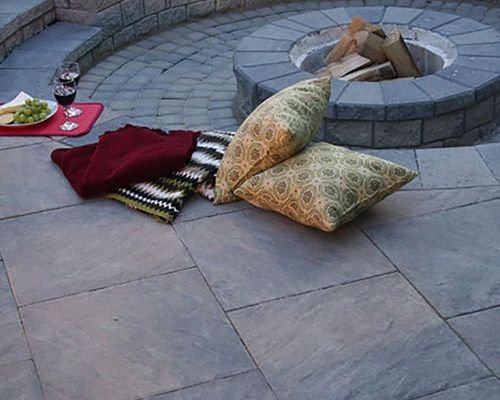




Imagine transforming your Toronto backyard into a stunning, eco-friendly sanctuary that balances beauty, sustainability, and functionality. How can homeowners create outdoor retreats that thrive amidst Toronto’s seasonal challenges while supporting local ecosystems? This guide unveils essential strategies—from selecting native, drought-tolerant plants to incorporating stormwater management features like rain gardens and permeable pavements—that foster resilient, low-maintenance landscapes. Thoughtful design principles focus on seamless zones for dining, relaxing, and gardening, accented by focal points that add personality and depth. But achieving lasting appeal isn’t just about initial planning; ongoing care—like smart watering, pruning, and using durable, eco-conscious materials—ensures these outdoor spaces remain vibrant and sustainable over time. Are you ready to craft a yard that not only elevates your lifestyle but also champions environmental responsibility? This approach invites homeowners to rethink outdoor spaces as harmonious, enduring retreats that enrich daily life while respecting our planet.
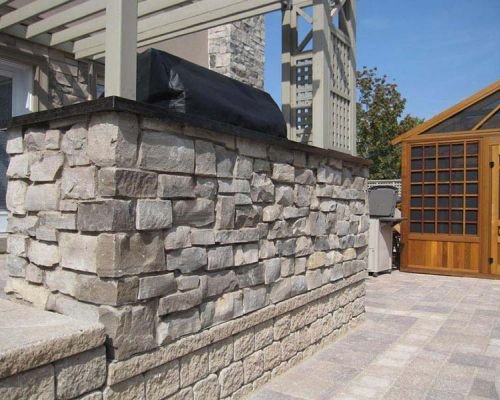
Transform Toronto Yards into Stunning, Eco-Friendly Retreats
Transforming Toronto yards into beautiful, sustainable outdoor retreats has become a priority for homeowners and landscape designers alike. As urban spaces grow tighter and environmental concerns deepen, creating outdoor areas that are both visually appealing and eco-friendly is more important than ever. These spaces serve as personal sanctuaries—perfect spots for relaxation, entertaining, or simply reconnecting with nature—without compromising the health of the environment.
This shift toward sustainable design emphasizes more than just aesthetics. It’s about achieving harmony between beauty, practicality, and responsibility. Thoughtful landscape design reflects the homeowner’s style while supporting local ecosystems and adapting to Toronto’s seasonal challenges. Incorporating native plants, water-saving features, and durable materials helps reduce ongoing maintenance and resource use, making these outdoor retreats easier to care for over time.
Understanding the fundamentals of landscape design and local climate is key to creating resilient, vibrant outdoor spaces. Native plants and weather-resistant materials thrive naturally here, requiring less water, fertilizers, and chemicals. Trends now favor eco-conscious features like rain gardens, permeable pavements, and naturalistic plantings that blend seamlessly with the environment while managing stormwater naturally.
Designing these outdoor spaces involves careful planning—defining zones for different activities, selecting sustainable materials, and choosing focal points that add personality. When executed well, yards become not just beautiful but functional, resilient, and an extension of the home. This balanced approach ensures each project aligns with Toronto’s unique climate and the homeowner’s lifestyle, setting the stage for enduring outdoor retreats.
As this landscape evolution continues, it’s clear that the focus on eco-friendly, resilient outdoor environments is growing. From native plant gardens to innovative stormwater management solutions, today’s designs aim to harmonize with nature while meeting modern outdoor living needs. This ongoing shift reflects a broader commitment to responsible, inspiring outdoor spaces that enhance daily life and support a greener Toronto.
Foundations of Landscape Design and Toronto’s Climate
Understanding the fundamentals of landscape design is essential for creating outdoor spaces that are both beautiful and practical. In Toronto, this means paying close attention to the city’s distinct climate, characterized by cold winters, hot summers, and unpredictable rainfall. Native plants and weather-resistant materials are key choices because they naturally thrive here, requiring less water, fertilizers, and ongoing maintenance. Selecting resilient elements helps ensure your landscape remains vibrant and functional year-round with minimal effort.
Over time, Toronto’s outdoor space trends have evolved significantly. Once focused mainly on simple lawns and basic plantings, today’s designs embrace sustainability and eco-conscious practices. Native plants, rain gardens, permeable pavements, and recycled materials are now standard features, supporting local ecosystems, managing stormwater naturally, and reducing resource consumption—all while maintaining visual appeal.
Core design principles emphasize harmony and balance. Thoughtfully arranging native plants and sustainable materials enhances beauty and resilience, making landscapes easier to care for over the long term. Strategic zoning and clear sightlines improve functionality, allowing different areas like seating, dining, or gardening to flow seamlessly together. Incorporating focal points such as water features or sculptures adds personality and depth, creating a cohesive visual narrative.
Toronto’s climate demands adaptable landscapes. Planning around seasonal conditions—like planting native species in spring or fall—gives plants the best chance to establish before harsher weather arrives. Features that naturally manage water, such as rain gardens and permeable surfaces, help reduce runoff and urban flooding, supporting a resilient urban environment.
Innovative approaches like green roofs and stormwater management systems are gaining popularity, reflecting a broader shift toward environmentally responsible design. These solutions not only support sustainability but also enhance urban resilience, transforming outdoor spaces into functional, eco-friendly retreats.
Building a resilient landscape starts with understanding the local environment and applying sustainable practices. This foundation allows homeowners and designers to craft outdoor spaces that are both beautiful and durable, tailored to Toronto’s unique climate and lifestyle demands.
Current Trends: Sustainable and Stylish Outdoor Spaces
The way outdoor spaces are transforming in Toronto today reflects a strong shift toward blending style with sustainability. Homeowners are increasingly opting for native plant gardens, rainwater harvesting systems, and permeable paving—features that naturally manage stormwater, lower environmental impact, and enhance visual appeal. These elements turn ordinary yards into vibrant, eco-friendly retreats that support Toronto’s urban ecosystem while providing a lush, inviting atmosphere.
Many outdoor projects now include functional additions like outdoor kitchens, fire pits, and cozy seating areas, transforming yards into versatile spaces for relaxation and social gatherings. Eco-conscious choices such as drought-tolerant plants and solar lighting are becoming standard, making landscapes more energy-efficient and easier to maintain. This shift not only elevates aesthetics but also reduces ongoing costs and resource use, aligning beauty with practicality.
Plant selections favor native species that thrive in Toronto’s climate, requiring less water and upkeep. This supports local biodiversity and makes sustainable landscaping accessible to more homeowners. Hardscape materials like recycled pavers and sustainably sourced wood are gaining popularity for their durability and minimal environmental footprint, reflecting a move away from traditional, high-maintenance yards.
Urban landscapes are increasingly designed with resilience in mind. Features like green roofs and rain gardens help mitigate runoff and urban flooding, contributing to Toronto’s sustainability goals. These solutions improve not just environmental health but also urban living quality, ensuring outdoor spaces are functional all year round.
Today’s landscape transformations showcase a focus on versatility—combining beauty, durability, and eco-friendliness. The trend toward innovative, sustainable features demonstrates a clear commitment to creating outdoor retreats that are both visually stunning and environmentally responsible, meeting the needs of a modern, conscious city.
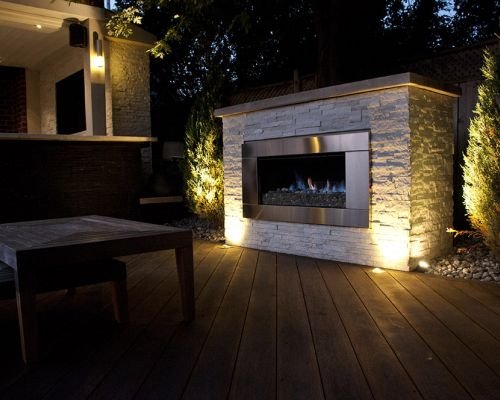
Smart Budgeting for a Beautiful, Resilient Landscape
When planning a landscape transformation in Toronto, establishing a clear budget from the outset is essential. Breaking down costs into categories such as design, materials, installation, and ongoing maintenance helps homeowners allocate resources wisely and make informed decisions. Investing in high-quality, eco-friendly materials might seem costly initially, but these choices often pay off through increased durability and reduced upkeep, offering long-term value. Incorporating native plants and sustainable features can also lower water and energy expenses, maximizing your investment.
A contingency fund of around 10-15% of the total budget is a smart safeguard against unexpected costs. Weather delays, site surprises, or design adjustments are common in Toronto projects, and having a financial cushion prevents surprises from derailing your plans. When budgets are tight, focusing on impactful features like native plants, simple hardscapes, or energy-efficient lighting can deliver impressive results without overspending.
Choosing durable, eco-friendly materials such as permeable pavers, reclaimed wood, or natural stone supports resilience against Toronto’s seasonal extremes. These materials often require less maintenance and stand the test of time, saving money and effort in the long run. For tighter budgets, local recycled materials and strategic planting—like privacy screens or focal points—can dramatically enhance your yard’s appeal without significant expense.
Long-term value is a key consideration. Well-thought-out investments in sustainable features not only boost your property’s curb appeal but also reduce ongoing costs. A resilient, low-maintenance landscape pays dividends over time, ensuring your outdoor space remains beautiful and functional for years to come. Proper planning and realistic timelines are vital to balancing quality with affordability.
Balancing cost and quality requires thoughtful decision-making. Comparing options, prioritizing features that align with your goals, and avoiding impulse choices help prevent costly mistakes. When your budget is well-managed, you can confidently move forward, transforming your Toronto yard into a stunning, sustainable retreat that fits your financial comfort zone.
Real-Life Impact: Enhancing Life and Well-Being with Outdoor Retreats
A thoughtfully designed outdoor retreat can significantly enhance daily life, turning ordinary moments into lasting memories. Take, for example, a Toronto family who transformed a narrow backyard into a lush native garden with a cozy seating area and rain garden. Mornings now start with a cup of coffee amidst greenery, and evenings are spent unwinding in a calming environment away from city noise. These small changes create a personal sanctuary, making everyday routines more relaxing and enjoyable.
Another example is a homeowner who added an outdoor kitchen and fire pit, instantly turning their yard into a lively gathering spot. This setup encourages year-round outdoor living, fostering stronger connections with family and friends. It’s not just about aesthetics; it’s about creating an environment that invites social interaction and comfort, elevating the quality of life at home.
Eco-friendly landscapes also have mental health benefits. A simple patio with native plants and soft lighting can become a peaceful retreat for meditation or quiet reflection after a busy day. Having such a sanctuary nearby reduces stress and promotes mindfulness, especially important in urban settings like Toronto where nature can feel scarce.
These real-world projects show how well-designed outdoor spaces support healthier lifestyles. Whether it’s watching birds in a native planting or enjoying a vibrant, sustainable landscape, these retreats deepen our connection to nature. They add a layer of satisfaction that extends beyond looks, enriching everyday experiences and fostering a sense of well-being.
Ultimately, a carefully curated outdoor retreat becomes more than just a pretty yard—it becomes a vital part of daily life. It offers a place to relax, connect, and recharge, proving that good landscape design can truly improve your overall quality of living while respecting the environment.
Design Principles for Functionality and Visual Appeal
Creating a beautiful and practical yard starts with thoughtful layout and smooth flow. Designing zones for dining, relaxing, or gardening that connect seamlessly makes the space inviting and easy to navigate. Clear sightlines and well-placed pathways help distribute activity areas naturally, making the yard feel larger and more cohesive. Balancing open spaces with defined areas prevents clutter and keeps the landscape feeling organized and welcoming.
Material choice plays a crucial role in shaping the landscape’s appearance and durability. Eco-friendly options like permeable pavers, reclaimed wood, and natural stone not only enhance visual appeal but also support sustainability. These materials stand up well against Toronto’s weather, manage water runoff effectively, and contribute to a resilient landscape that lasts. Combining hardscapes with native or drought-tolerant plants creates a low-maintenance, visually striking environment.
Focal points add personality and depth, guiding the eye and creating visual anchors. Water features, sculptures, or distinctive lighting serve as centerpiece elements that anchor the design. When positioned thoughtfully, they help balance different zones and create harmony throughout the yard, preventing it from feeling disjointed. These features also add a layer of interest, making the space more engaging and memorable.
Layering plants of varying heights and textures introduces dimension and prevents monotony. Well-placed greenery creates a natural flow, making the overall design feel curated rather than haphazard. This layering fosters visual interest and allows for future adjustments or additions without disrupting the existing harmony. A balanced layout ensures the landscape remains adaptable, functional, and beautiful for years to come.
Finally, good design considers both current needs and future growth. Flexibility in layout allows homeowners to add new features or change existing ones over time. Prioritizing sustainable, adaptable elements helps create a landscape that ages gracefully while maintaining its appeal. Thoughtful planning and attention to detail turn outdoor spaces into enduring retreats that seamlessly blend beauty, practicality, and sustainability.
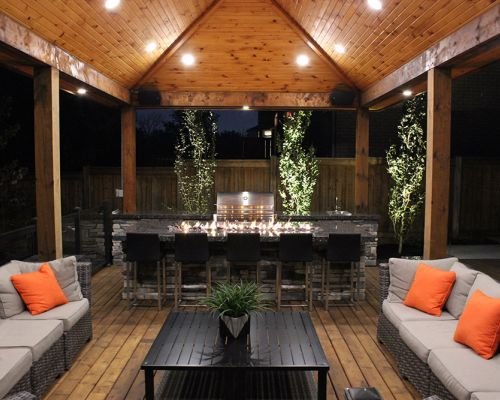
Maintaining Your Outdoor Oasis: Tips for Long-Term Beauty and Sustainability
Maintaining the beauty and resilience of your outdoor retreat requires consistent care and smart choices. Regular pruning, watering native plants appropriately, and keeping debris clear help plants stay healthy and your landscape looking vibrant. Native species are especially advantageous because they’re adapted to Toronto’s climate, needing less water, fertilizers, and pesticides. This makes upkeep simpler and supports local ecosystems, ensuring your yard remains lush with less effort.
Durable, eco-friendly materials like permeable pavers, reclaimed wood, and natural stone are key to longevity. These withstand Toronto’s weather swings and minimize repairs, saving you time and money in the long run. Mulching beds not only improve soil health but also retain moisture and suppress weeds, keeping your landscape low-maintenance. Establishing a regular schedule for tasks like leaf removal, plant trimming, and irrigation checks keeps everything functioning smoothly year after year.
Planning for future growth and potential issues helps prevent minor problems from escalating into costly repairs. As your landscape matures, some plants may need relocating or replacing, and features like lighting or water systems might require upgrades. Staying proactive ensures your yard remains both beautiful and functional, adapting seamlessly as your needs evolve. Incorporating native plants and eco-friendly features now sets the foundation for a sustainable, long-lasting landscape.
Smart watering practices are essential. Installing rain sensors and drip irrigation systems deliver water efficiently, reducing waste and preventing overwatering. Choosing drought-tolerant native plants further enhances resilience during dry spells, conserving resources while maintaining lushness. These strategies keep your landscape thriving through Toronto’s seasonal extremes without demanding excessive effort.
Routine maintenance isn’t just about aesthetics; it’s about creating a landscape that endures. Consistent attention, timely updates, and resource-conscious decisions preserve your outdoor space’s appeal and health. By staying attentive and flexible, you protect your investment and ensure your yard remains a beautiful, sustainable retreat for years to come. Proper care and thoughtful planning turn your outdoor space into a lasting haven that continues to inspire and relax.