



Step into the roaring heart of the 1970s muscle car era with the Chevrolet SS, a symbol of American power, rebellion, and bold design. From the thunderous V8s to sleek, muscular lines, these cars didn’t just perform—they made a statement of independence and attitude. Their aggressive styling, roaring engines, and cultural significance turned streets into arenas of speed and self-expression. But what made the Chevrolet SS an icon extended beyond its horsepower? It embodied a rebellious spirit that continues to inspire modern interpretations, blending vintage aesthetics with cutting-edge technology. As the legacy evolves, the question remains: can today’s muscle cars preserve that raw energy and defiant attitude, or will they adapt to a new era of innovation? This story is more than nostalgia—it’s a testament to the enduring pursuit of freedom on four wheels, making the past roar loudly into the future.
Unleashing the Power and Style of the 1970s Chevrolet SS
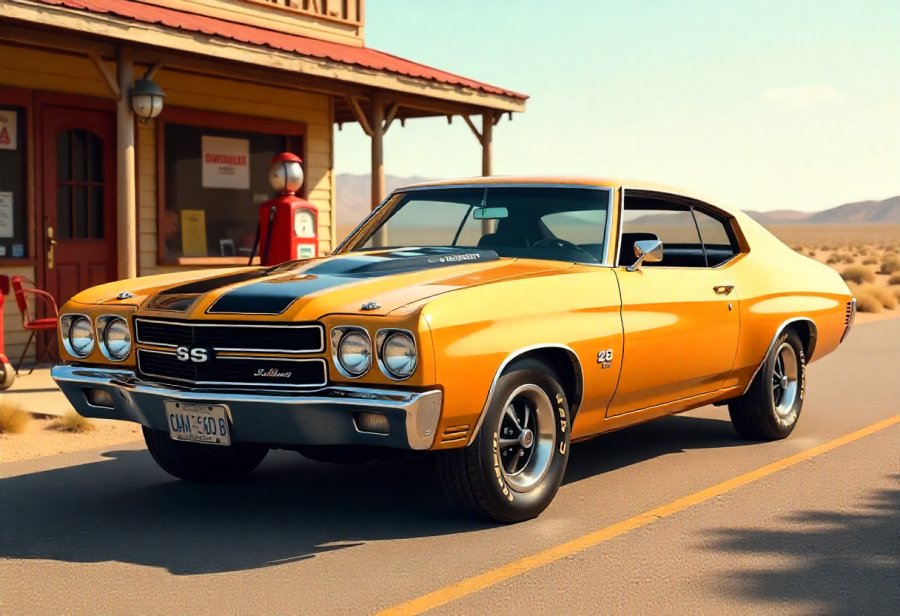
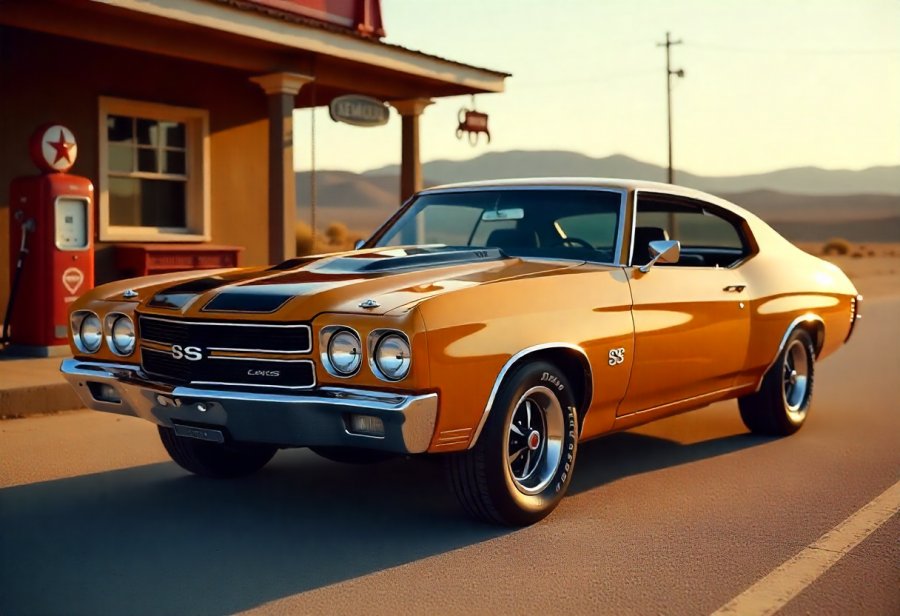
The 1970s Chevrolet SS stands as a quintessential symbol of the muscle car era, capturing the essence of American performance and style at its boldest. During this decade, automakers poured innovation and attitude into their vehicles, and the Chevrolet SS was no exception. With its muscular stance and aggressive design, it embodied a spirit of raw power that defined the period’s automotive landscape. Models like the Chevelle SS 454 became icons, turning heads on streets and drag strips alike with their thunderous engines and commanding presence.
This era was all about making a statement. The Chevrolet SS’s distinctive wide stance, sleek lines, and eye-catching details reflected a desire to stand out and dominate. Features such as cowl-induction hoods and racing stripes weren’t just aesthetic—they improved airflow and performance, showcasing a blend of form and function. These cars weren’t shy about their purpose; they were designed to look fast even when standing still, signaling power before the engine even roared to life.
Beyond their striking appearance, these vehicles represented a cultural movement. They became symbols of rebellion, freedom, and youthful exuberance. Car enthusiasts flocked to them, and street racing scenes, car clubs, and rallies helped cement their legendary status. Their thunderous engine notes became the soundtrack of a generation craving excitement, independence, and breaking free from convention. The Chevrolet SS wasn’t just transportation; it was a statement of attitude and defiance.
Under the hood, technological advances fueled the muscle car’s dominance. High-performance components, reinforced suspensions, and dual exhausts pushed these cars to their limits, delivering staggering horsepower—most notably with the legendary 454 cubic inch V8 engines. These mechanical marvels showcased American ingenuity and a relentless pursuit of speed, making each drive feel like an event. The roar of the engine was more than noise; it was a declaration of power that echoed the era’s rebellious spirit.
Design and sound played critical roles in defining the muscle car’s identity. The bold graphics, racing stripes, and wide grille emphasized strength, while the deep, growling exhaust sound announced their presence long before they arrived. This auditory signature became synonymous with American muscle—an unmistakable reminder of a time when performance was king and speed was a way of life.
Today, the legacy of the 1970s Chevrolet SS endures. Its bold styling, roaring engines, and cultural significance continue to inspire enthusiasts and collectors. These cars remain symbols of an era when pushing boundaries was celebrated and American muscle reigned supreme. Their timeless appeal reminds us that the spirit of rebellion and performance is alive and well, roaring on in every modern interpretation of the muscle car.
Roots of a Revolution: The Birth of Muscle Cars in the Late 1960s
The late 1960s and early 1970s marked a revolutionary chapter in automotive history, laying the groundwork for the legendary muscle car era. Automakers like Chevrolet began pushing performance boundaries to meet a rising demand for vehicles that combined raw power with striking visual appeal. It was a time when speed wasn’t just about getting from point A to B; it became a statement of daring and rebellion. Cars like the Chevrolet Chevelle SS 454 emerged as symbols of this new performance movement, blending massive horsepower with aggressive styling that turned heads at every street corner.
This era was driven by a desire for unrelenting power and bold design. High-horsepower engines, especially big-block V8s like the 454 cubic inch, became the beating heart of muscle cars. These engines weren’t just impressive on paper—they symbolized a cultural shift toward independence and youthful defiance. The roar of a high-performance engine became the soundtrack of rebellion, echoing through neighborhoods and drag strips alike. Enthusiasts flocked to these cars, eager to experience the thrill of acceleration and the visceral connection to raw, unfiltered power.
Design played a crucial role in defining muscle cars’ identity. Wide, muscular bodies with sharp lines, cowl-induction hoods, and racing stripes weren’t just aesthetic choices—they enhanced airflow and cooling, boosting engine performance. These features made the cars look as powerful as they sounded, blurring the line between street machines and racing legends. Every curve and detail was crafted to evoke strength and speed, creating vehicles that commanded attention even when parked.
Technological advancements further fueled this performance surge. High-performance components, reinforced suspensions, and dual exhaust systems allowed manufacturers to push engines to their limits. Chevrolet responded with models capable of delivering staggering horsepower, like the Chevelle SS 454. These cars became engineering marvels, showcasing American ingenuity and a relentless pursuit of speed, all while maintaining streetability. They weren’t just about raw power—they were about pushing the boundaries of what a car could do.
Culturally, muscle cars became icons of rebellion and independence. They appeared in movies, music, and advertisements as symbols of strength and attitude. Street racing scenes and car clubs flourished, creating communities united by their passion for speed and style. The sound of a big-block engine roaring down the street became a rallying cry for a generation eager to break free from conformity. These cars weren’t just transportation—they embodied a mindset that celebrated daring and individualism.
Ultimately, the development of muscle cars in this period set the foundation for everything that followed. From their groundbreaking engines to their rebellious image, these vehicles captured a unique spirit that still resonates today. They symbolize a time when pushing boundaries was celebrated and performance was king. The roots planted during this innovative era continue to influence muscle car culture, inspiring new generations to chase their own dreams of speed and freedom.
Icon of Freedom: How the Chevrolet SS Became a Cultural Legend
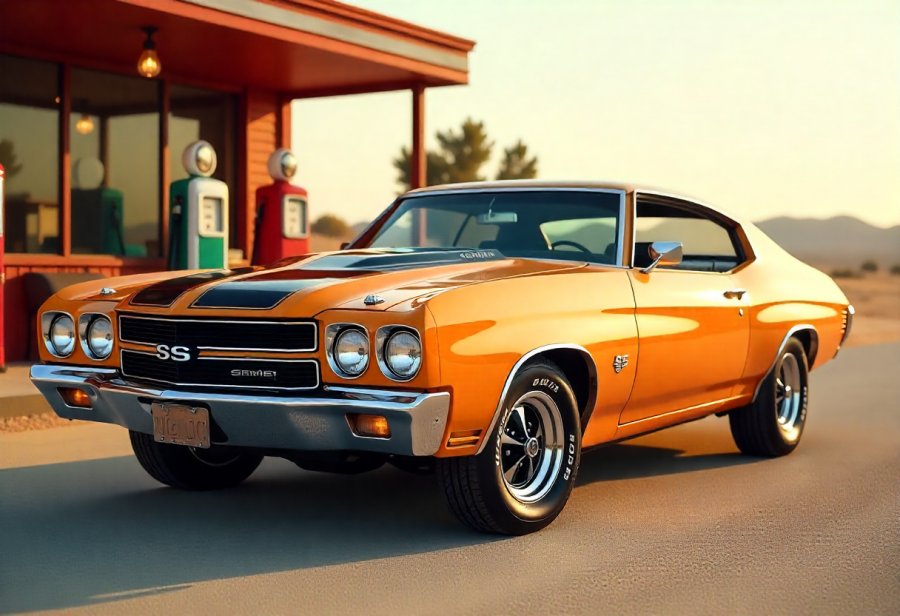
The Chevrolet SS of the 1970s transcended its role as a mere performance vehicle to become an enduring symbol of American automotive identity. Its muscular lines, thunderous engine growl, and commanding presence on the street captured the rebellious spirit of an era eager to break free from convention. These cars weren’t just about raw speed; they embodied freedom, independence, and youthful defiance, transforming into icons that resonated far beyond the asphalt. Their image became synonymous with power and attitude, emblazoned in the collective consciousness of car enthusiasts and pop culture alike.
Over time, the cultural significance of the Chevrolet SS grew into a broader symbol of American muscle car heritage. Featured prominently in movies, music, and advertising, it represented more than just a vehicle—it became a statement of strength and resilience. The deep, resonant sound of its big-block engine became the soundtrack of street racing scenes and rebellious youth, embedding itself into the fabric of pop culture. Its bold styling—wide stance, racing stripes, and aggressive badging—made it instantly recognizable and highly desirable, reinforcing its legendary status.
Car clubs and enthusiast communities dedicated to these vintage models have played a vital role in preserving and celebrating this legacy. Gatherings, shows, and drag races serve as living museums, keeping the passion alive and fostering a shared sense of pride. These groups recognize the Chevrolet SS not only as a high-performance machine but as a piece of cultural history, a testament to a time when American muscle reigned supreme. Media coverage during this period further cemented its status as an icon, inspiring nostalgia and admiration among new generations.
Decades later, the influence of the Chevrolet SS remains palpable. Its design cues—racing stripes, muscular contours, and aggressive stance—continue to inspire modern muscle cars and custom builds. Restorations and limited editions keep its spirit alive, blending vintage aesthetics with contemporary technology. This ongoing fascination underscores the enduring power of its image, proving that the essence of American performance and rebellion is timeless.
Beyond aesthetics, the Chevrolet SS’s legacy is rooted in its embodiment of a cultural movement. It symbolizes a desire for freedom, self-expression, and pushing boundaries. Its roar—both literal and symbolic—continues to inspire automotive innovation and a sense of community among enthusiasts worldwide. As new models emerge that pay homage to its heritage, the car’s influence persists, fueling dreams of speed and individuality.
The Chevrolet SS’s story is more than nostalgia; it’s a testament to the enduring spirit of American muscle. Its impact stretches into film, music, and the collective imagination, inspiring generations to chase their own performance ambitions. The roar of its engine echoes through history, reminding us that the pursuit of power and freedom remains as vital today as it was during its golden age. This legacy, built on attitude and engineering excellence, ensures that the spirit of the Chevrolet SS will continue to inspire long into the future.
Defining the Golden Era: Design, Performance, and Cultural Trends of Muscle Cars
The golden age of muscle cars, spanning the late 1960s to the early 1970s, was a time when automotive design and performance reached new heights of boldness and innovation. Cars from this era didn’t just look aggressive—they made a statement. Wide, muscular bodies with sharp lines and distinctive features like cowl-induction hoods and racing stripes signaled power before the engine even roared. These design choices weren’t merely aesthetic; they enhanced airflow and cooling, boosting overall performance while giving each car a commanding presence on the street.
Performance was the heartbeat of this period. Engineers pushed engines—especially big-block V8s like the legendary 454—to their limits, delivering staggering horsepower that often exceeded 450. The deep growl of a muscle car’s engine became a defining soundtrack, turning heads and commanding respect wherever it was heard. These vehicles weren’t just quick—they offered explosive acceleration and a visceral driving experience that made every ride feel like a race. Heavy-duty suspensions and dual exhaust systems amplified their dominance, blending speed with a tangible sense of raw power.
Culturally, muscle cars became symbols of rebellion and youthful spirit. They appeared in movies, music, and advertisements as icons of strength and independence. Street racing scenes and car clubs flourished, transforming these vehicles into community symbols that embodied freedom and defiance of convention. The roar of a V8 echoing through neighborhoods became an anthem of rebellion, capturing the imagination of a generation eager for excitement and self-expression.
Design-wise, these cars fused form and function seamlessly. Bold graphics, racing stripes, and muscular contours weren’t just about aesthetics—they served aerodynamic and cooling purposes, enhancing performance. The visual impact was complemented by the unmistakable sound of their engines, which became a badge of honor for enthusiasts. Every detail, from chrome accents to wide stance wheels, emphasized strength, agility, and a relentless pursuit of speed.
The innovation of this era wasn’t limited to aesthetics or engines. Manufacturers experimented with high-performance components, reinforced suspensions, and advanced exhaust systems to push their cars further. This relentless drive for speed and handling made muscle cars like the Chevelle SS 454 engineering marvels, blending cutting-edge technology with striking design. They became symbols of American ingenuity, capturing a moment when pushing boundaries was celebrated.
Despite rising government regulations and economic challenges in the late ’70s, the spirit of the muscle car era never truly faded. Instead, it laid the groundwork for modern reinterpretations, where vintage aesthetics meet new technology. Today’s muscle cars draw inspiration from that golden age, combining nostalgic design with contemporary performance and efficiency.
This era’s influence extends beyond the asphalt. It created a cultural legacy rooted in daring design, raw power, and a rebellious attitude. The muscle car’s bold lines, thunderous engines, and cultural symbolism continue to inspire new generations, proving that the desire for speed, style, and independence remains timeless. The golden age of muscle cars remains a defining chapter in automotive history, forever shaping the identity of American performance vehicles.
Legacy and Tomorrow: The Future of Muscle Car Passion and Innovation
The legacy of the 1970s Chevrolet SS continues to echo through the world of automotive culture, reminding us of a time when raw power and bold design reigned supreme. Even as stricter regulations and economic shifts slowed the muscle car boom, the spirit of American horsepower remained resilient. Today’s enthusiasts draw inspiration from that era, blending vintage aesthetics with modern technology to create vehicles that honor the past while meeting today’s standards. The thunderous roar and striking style of those classic Chevys still ignite passion and imagination, proving that the desire for speed and attitude never truly fades.
Looking to the future, muscle car culture is experiencing a remarkable revival. Manufacturers are reimagining the classic formula, integrating advanced aerodynamics, electronic controls, and even electrification—all without sacrificing the essence of power and rebellion. This evolution suggests the spirit of American muscle will adapt rather than disappear, transforming into quieter, more efficient expressions of performance. Electric supercars inspired by vintage models aim to deliver astonishing speed and sound, echoing the same adrenaline rush but with a smaller environmental footprint.
The Chevrolet SS exemplifies this ongoing journey. Its image of boldness and unrelenting performance continues to motivate new generations to chase their automotive dreams. Restorations, limited editions, and modern reinterpretations keep its legacy alive, connecting past and present in a shared celebration of innovation and individuality. The enduring fascination with this icon shows that the essence of American muscle—attitude, craftsmanship, and a rebellious spirit—remains relevant, inspiring future projects that push boundaries further.
Culturally, the influence of the Chevrolet SS extends beyond the garage. Its iconic silhouette, powerful engine growl, and rebellious attitude continue to appear in movies, music, and art, reinforcing its status as a symbol of strength and independence. The roar of its engine, once a defining soundtrack of youth rebellion, still resonates in the collective imagination. This cultural footprint ensures that the legacy of the muscle car is not just nostalgia but a living, evolving part of modern identity.
As technology advances, the core values that made muscle cars legendary—power, style, and a desire to stand out—are being embraced anew. Hybrid and electric models aim to preserve the thrill of performance while aligning with sustainability goals. These innovations promise a future where the spirit of American muscle remains loud and proud, even if the engine’s makeup changes. The ongoing evolution reflects a fundamental truth: the drive for freedom and self-expression through performance is timeless.
The story of the Chevrolet SS underscores the importance of pushing boundaries and celebrating individuality. Its roaring engines and bold design continue to inspire creatives, engineers, and enthusiasts around the world. By honoring its roots and embracing new technologies, the muscle car’s legacy is poised to thrive for generations to come. This relentless pursuit of excellence and rebellion fuels ongoing innovation, ensuring that the spirit of American muscle remains vibrant and influential.
In this evolving landscape, the future of muscle cars is not just about nostalgia but about redefining what performance can be. The blend of tradition and progress opens exciting possibilities—where the roar of a classic V8 meets the silence of electric power, both carrying the same rebellious DNA. As new models emerge, they will carry forward the legacy of strength, style, and independence that has defined the genre for over half a century.
The enduring appeal of the Chevrolet SS and its contemporaries proves that the desire to push limits and stand out is universal. Their story is a testament to innovation rooted in passion, a legacy that continues to inspire new generations to dream big and drive fast. The roar of the past echoes into the future, reminding us that the spirit of American muscle, bold and unyielding, will always find a way to roar louder than ever.