




In a world where effective communication is the backbone of success, can your organization truly keep pace without tailored solutions? Grandstream’s innovative telephony devices redefine network efficiency, offering customizable, scalable systems that adapt seamlessly to evolving business needs. Their flagship GRP series IP phones, supported by centralized management via GDMS, promise not just simplified deployment but also enhanced security and call quality—crucial in safeguarding sensitive conversations. But what sets these solutions apart? Perhaps it’s their ability to integrate advanced features like AI-driven analytics, or their support for rapid mass provisioning across multiple locations. As organizations navigate complex digital landscapes, the question remains: are off-the-shelf systems enough, or does true seamless communication require a personalized, future-proof infrastructure? With Grandstream, you’re invited to explore a smarter, more responsive communication environment—one built not just for today but for the challenges of tomorrow.
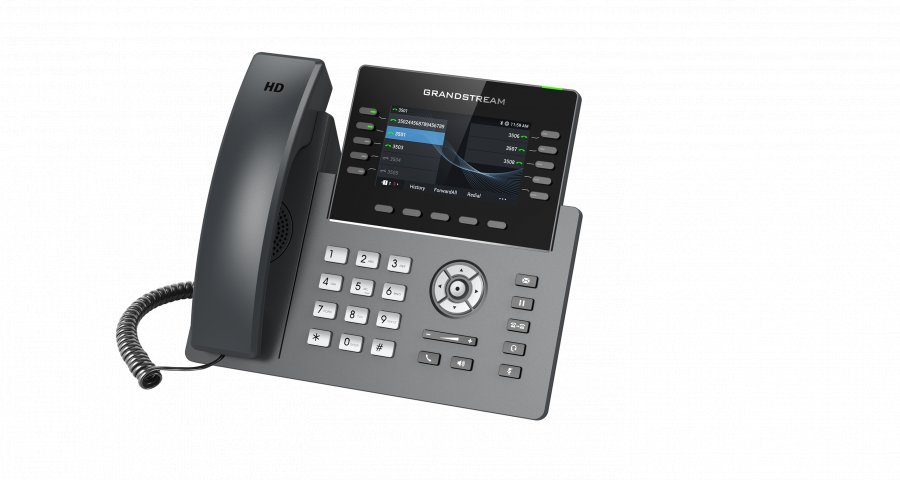
Unlocking Business Success with Customizable Telephony Systems
In today’s fast-moving business environment, effective communication is more than just a convenience—it’s a vital component of success. Organizations need systems that are not only reliable but also tailored to their specific workflows and customer interactions. Off-the-shelf telephony solutions often fall short because they lack the flexibility to adapt to unique needs. That’s where customizable telephony solutions come in, offering the ability to craft communication networks that fit perfectly with a company’s operations.
These tailored systems do more than just meet current demands—they provide a foundation for future growth. By designing a communication infrastructure around your organization’s specific processes, you gain control over call routing, management features, and integrations. For instance, customer support teams can benefit from auto-attendants and call queues, while sales teams might prioritize mobility and instant access to customer data. Customization ensures each department has the right tools, leading to quicker responses, better service, and higher customer satisfaction.
Beyond immediate operational advantages, personalized telephony solutions deliver strategic benefits. They seamlessly integrate with other digital tools like CRM systems, collaboration platforms, and data analytics, creating a connected workflow that reduces redundant tasks and minimizes errors. As your business evolves, having a flexible, scalable system makes it easier to adapt without the need for costly overhauls. This adaptability helps organizations stay competitive and responsive in a rapidly changing landscape.
Flexibility is crucial as businesses expand or shift focus. Custom systems can be scaled effortlessly—adding new users, features, or remote capabilities—without disrupting existing operations. Cloud-based management platforms simplify this process, enabling remote configuration, updates, and troubleshooting. This agility not only streamlines deployment but also ensures your communication infrastructure evolves alongside your organization, supporting long-term growth and resilience.
Security and control are integral to modern telephony. Off-the-shelf solutions often lack the nuanced security features necessary to safeguard sensitive voice data. Custom solutions, however, can incorporate advanced protocols like TLS and SRTP, ensuring conversations remain private and protected. Centralized management tools allow administrators to monitor network health, deploy updates, and troubleshoot swiftly, reducing downtime and maintaining high-quality service across the board.
Investing in a customized telephony system is a strategic move that transforms how organizations communicate. It creates a reliable, adaptable foundation that can be tailored to meet evolving needs, improve operational efficiency, and enhance overall customer experience. In a world where communication is the backbone of business success, designing a system around your specific requirements isn’t just smart—it’s essential for staying ahead.
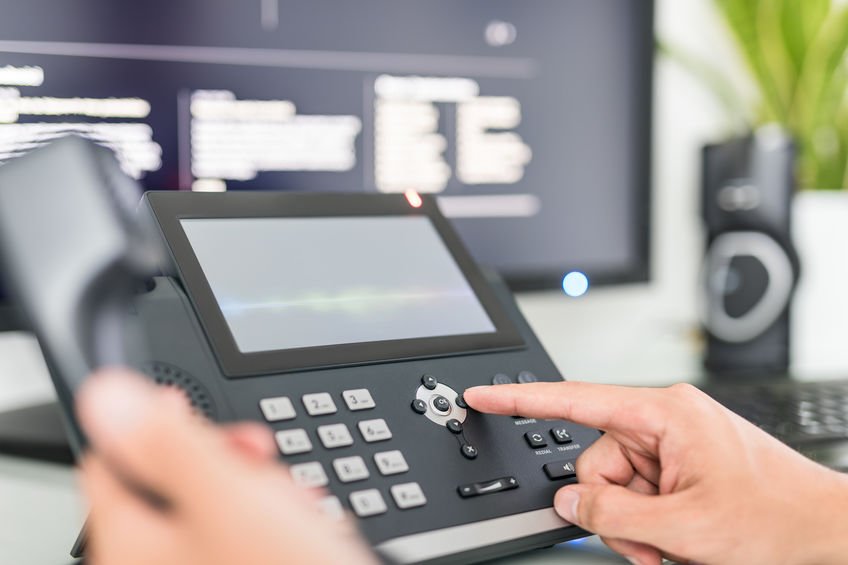
Tracing the Evolution and Foundations of Telephony Technology
Telephony technology has come a long way since the days of rotary phones and manual switchboards. Early systems relied on analog signals transmitted over physical wires, which meant voice calls were limited by physical infrastructure and manual operations. These setups served their purpose for decades but offered little flexibility or scalability, making them increasingly inadequate as communication needs grew more complex.
The advent of digital systems marked a significant turning point. Moving from analog to digital, telephony could now deliver clearer sound quality and more efficient call routing. Digital technology also paved the way for features like voicemail, call forwarding, and conference calling, transforming how businesses and individuals communicated. This shift laid the groundwork for the next major evolution: IP-based telephony, or VoIP, which leverages the internet to carry voice data as digital packets.
VoIP revolutionized telephony by drastically reducing long-distance call costs and unlocking advanced features that integrated seamlessly with other digital tools. Voice data now travels over existing data networks, eliminating the need for dedicated phone lines and enabling organizations to scale their systems more easily. With this technology, businesses could deploy comprehensive communication platforms that support remote work, mobile access, and unified messaging, all within a flexible, internet-driven framework.
Understanding the history of telephony helps clarify how current systems are built on decades of innovation. Today’s solutions combine high-quality digital audio with the robustness of internet connectivity. Cloud-based management platforms allow remote provisioning, monitoring, and maintenance—capabilities that were impossible in earlier eras. These advancements ensure telephony remains adaptable to the fast-changing needs of modern organizations, from small startups to global enterprises.
Maintaining a reliable telephony infrastructure today requires more than just advanced hardware; it demands a solid network foundation. Ensuring sufficient bandwidth and minimizing latency are critical for high-quality calls. Quality of Service (QoS) settings prioritize voice traffic over other data streams, preventing disruptions during peak usage. Encryption protocols like TLS and SRTP secure conversations against eavesdropping, while network segmentation with VLANs isolates voice traffic, further enhancing call clarity and security. These foundational elements keep your communication channels stable and secure, supporting the sophisticated features modern telephony offers.
Enhancing Network Efficiency and Security with Grandstream Solutions
Grandstream’s solutions are revolutionizing how businesses approach network efficiency, making communication systems more flexible, reliable, and manageable. Their devices, especially the GRP series IP phones, are built for large-scale deployment, combining high-quality hardware with features that simplify setup and ongoing maintenance. With cloud provisioning and centralized management through the Grandstream Device Management System (GDMS), IT teams can configure, monitor, and update hundreds or even thousands of endpoints remotely. This streamlines deployment, cuts operational costs, and reduces the need for on-site support—an essential advantage for organizations with multiple locations or expanding networks.
Security and performance are at the core of Grandstream’s offerings. Their latest firmware and hardware incorporate advanced security protocols like TLS and SRTP, encrypting voice traffic and safeguarding conversations from potential breaches. Built-in Quality of Service (QoS) features ensure voice data is prioritized, even during network congestion, maintaining clear, uninterrupted calls. This dual focus on security and quality helps organizations sustain high standards of communication without complex network adjustments, supporting seamless daily operations.
Managing network performance is made easier with Grandstream’s centralized dashboards. These tools provide real-time insights into device status, call quality, and overall network health. Automated alerts notify administrators of issues such as bandwidth shortages or device failures, enabling quick response before disruptions impact users. Features like VLAN support further enhance network segmentation, isolating voice traffic to prevent interference and ensuring consistent call clarity across multiple locations or in busy environments. This proactive management keeps communication flowing smoothly, even as networks grow more complex.
Deployment scalability is another key benefit. Grandstream devices support mass provisioning, enabling rapid deployment of hundreds of phones without manual configuration of each unit. Using GDMS, administrators can push configurations, firmware updates, and security patches across all devices from a single platform. This process reduces downtime, streamlines maintenance, and ensures uniform security standards. For growing businesses or service providers managing large client networks, such scalability simplifies expansion and maintains operational consistency.
Beyond basic functionality, Grandstream continues to innovate. Features like AI-driven call analytics offer valuable insights into calling patterns, peak times, and user behavior, helping organizations optimize staffing and workflows. Energy-efficient hardware aligns with sustainability goals while lowering operational costs. Seamless integration with third-party systems such as CRM platforms or unified communication tools extends the utility of these devices, creating a cohesive digital ecosystem that adapts to evolving business needs. This flexibility makes Grandstream solutions future-proof, ready to support ongoing growth and technological advances.
Choosing Grandstream devices means investing in a robust, scalable platform that supports current operations and future ambitions. Their combination of high-quality hardware, centralized management, and smart features ensures your network remains secure, efficient, and easy to oversee. As your organization expands or shifts focus, these devices can adapt effortlessly, providing the flexibility needed to stay competitive. The result is a smarter, more responsive communication environment that empowers your team and enhances overall productivity.
By leveraging Grandstream’s innovative solutions, organizations can build a communication network that is not only reliable today but also prepared for tomorrow’s challenges. Their scalable architecture and feature-rich devices make it straightforward to expand and upgrade as needed, supporting remote work, mobility, and multi-channel communication. This forward-looking approach guarantees that your investment continues to deliver value, helping your business stay agile, connected, and ready for the future.
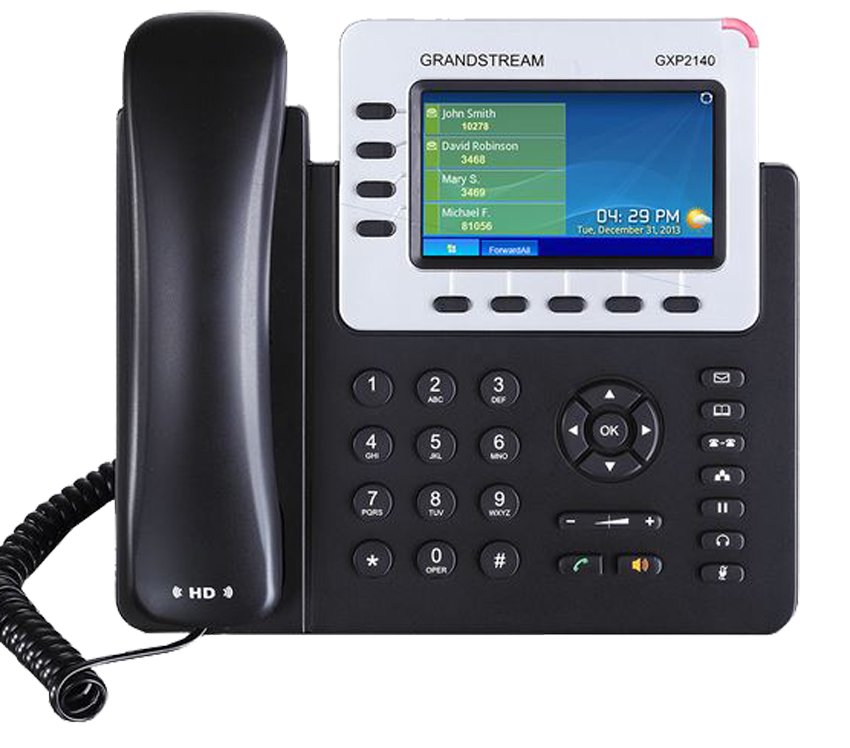
Exploring Key Features and Future-Ready Capabilities of Grandstream Devices
Grandstream’s devices are engineered to streamline network deployment and management, making them ideal for organizations seeking scalable, reliable communication solutions. The flagship IP phones in the GRP series exemplify this approach, combining high-quality hardware with features that simplify setup and ongoing maintenance. Thanks to their support for mass provisioning, IT teams can deploy hundreds or even thousands of phones quickly, with minimal manual configuration. Using Grandstream’s Device Management System (GDMS), administrators can remotely provision, monitor, and update all endpoints from a single interface, drastically reducing deployment time and operational costs.
Security and call quality sit at the heart of Grandstream’s design. Their latest firmware and hardware incorporate advanced security protocols like TLS and SRTP, encrypting voice traffic to protect sensitive conversations from interception or tampering. Built-in Quality of Service (QoS) features ensure voice data is prioritized over other network traffic, maintaining clear, uninterrupted calls even during high network congestion. This dual focus on security and performance allows organizations to uphold high standards of communication without sacrificing reliability.
Managing a large-scale network is made simpler with Grandstream’s centralized dashboards. These tools offer real-time insights into device status, call quality, and overall network health, enabling quick troubleshooting and proactive maintenance. Automated alerts notify administrators of issues such as bandwidth shortages or device failures before they impact users, ensuring continuous service. Features like VLAN support further enhance network segmentation, isolating voice traffic from data, which preserves call clarity and prevents interference—even in complex, multi-site environments.
Scalability is a core benefit of Grandstream’s solutions. Devices support mass provisioning, allowing organizations to rapidly expand their networks without the hassle of manual setup. From a centralized platform, administrators can push configurations, firmware updates, and security patches across all devices simultaneously. This level of control simplifies maintenance, reduces downtime, and ensures uniform security standards across multiple locations or customer networks. As your organization grows, your communication infrastructure can expand seamlessly alongside it.
Innovation continues to drive Grandstream forward. Their devices now feature AI-driven call analytics, providing valuable insights into calling patterns, peak times, and user behavior. These insights enable better staffing, resource allocation, and workflow optimization. Energy-efficient hardware supports sustainability goals while lowering operational costs. Additionally, seamless integration with third-party systems like CRM platforms or unified communication tools extends the functionality of their devices, creating a cohesive, flexible digital ecosystem that adapts to evolving business needs.
Choosing Grandstream devices means investing in a robust, future-proof platform. Their combination of high-quality hardware, centralized management, and smart features ensures your communication network remains secure, efficient, and easy to oversee. As your organization expands or shifts focus, these solutions adapt effortlessly, providing the flexibility needed to stay competitive. With Grandstream, you build not just a reliable network today but a scalable foundation prepared for tomorrow’s challenges.