



Embarking on your first camping trip may seem intimidating, yet with the right mindset, it transforms into an exciting and rewarding adventure. Are uncertainties about gear, safety, and weather holding you back? This guide reveals how setting realistic expectations, choosing beginner-friendly sites, and preparing your gear with care can turn stress into confidence. By approaching outdoor life with curiosity and flexibility, setbacks become opportunities for learning, humor, and memorable stories. From pitching tents to managing unexpected challenges, every step is an invitation to connect deeply with nature and loved ones. Wouldn’t you agree that a positive outlook and simple preparations are the keys to turning outdoor adventures into cherished experiences? With each trip, your skills and confidence grow, paving the way for more exploration and discovery. Are you ready to transform your outdoor fears into fun-filled memories that last a lifetime?
Preparing for Your First Camping Trip: Foundations of Success and Mindset
Getting ready for your first camping trip can feel like a mix of excitement and nerves. It’s completely normal to worry about forgetting something important or not knowing what to expect. The best way to approach this is to set realistic expectations and stay flexible. Remember, no trip will be perfect, and mistakes are simply part of the learning process. Approaching it with curiosity instead of perfection turns potential stress into opportunities for discovery. Visualizing yourself pitching a tent or cooking outdoors can boost your confidence and ease those first-time jitters.
Choosing the right location is crucial to a smooth start. Look for beginner-friendly campsites that are easy to access and have basic amenities like water and toilets. These spots are designed to make newcomers comfortable and help reduce surprises. Doing a bit of research beforehand helps you find a site aligned with your interests—whether that’s fishing, hiking, or simply soaking in nature’s scenery. Picking a manageable site lets you focus on relaxing and exploring rather than stressing over navigation or safety.
Packing the right gear makes a huge difference in how confident you feel. Start with essentials like a sturdy tent, a warm sleeping bag suited to the season, and weather-appropriate clothing. A reliable headlamp or flashlight is key for navigating at night. Bringing along simple cooking supplies and enough water or a filtration system keeps things straightforward. Testing your setup at home, if possible, helps you understand how everything fits and works, making the actual trip less overwhelming.
Your mindset plays a big role in your overall experience. Being open to new experiences, ready to adapt, and viewing challenges as part of the adventure can transform your outlook. Weather surprises or small setbacks happen, but instead of seeing them as obstacles, view them as chances to learn or try something new. Maintaining a positive attitude helps you stay flexible, often turning an ordinary trip into a memorable story. This mindset encourages you to see camping as an opportunity rather than a hurdle.
Think of nature’s simple pleasures as your best allies. Taking a walk through the woods, listening to wildlife, or watching the sunset can be incredibly soothing. When you’re mentally prepared to appreciate these moments, outdoor living becomes more than a task—it’s a chance to relax and find wonder in everyday sights. This shift in perspective makes camping feel less like a challenge and more like a welcome escape from daily routines.
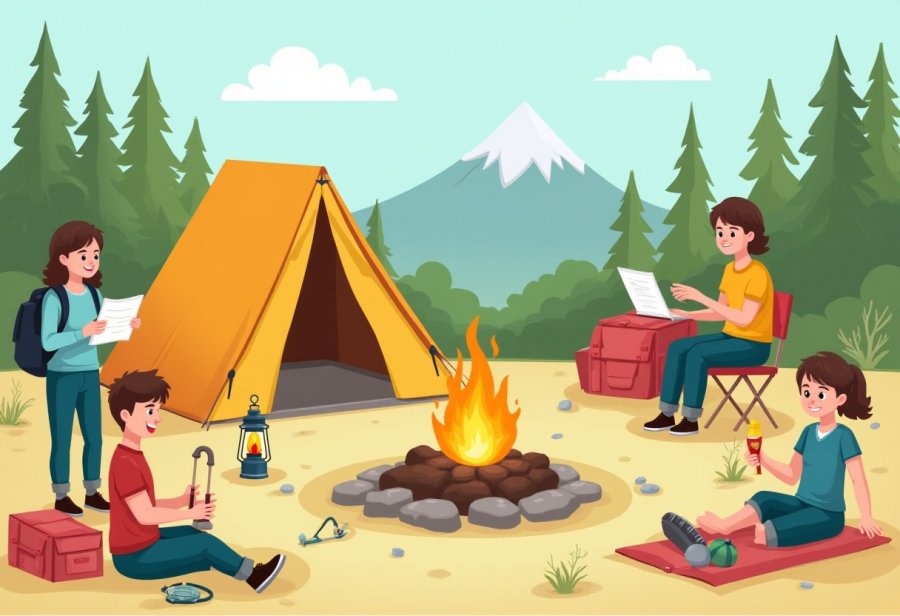
Breaking down the setup process into manageable steps also helps. Find a flat, open space away from hazards and start by pitching your tent carefully. Secure it well to weatherproof against rain or wind. Organize your sleeping gear inside, and set up your cooking station at a safe distance. Always double-check that your fire is fully out before sleeping or leaving the site. Keeping safety in mind and staying calm during each step builds confidence and ensures a smoother experience.
Handling minor setbacks with patience and humor makes all the difference. Whether a tent stake slips or weather shifts unexpectedly, viewing these moments as part of the adventure keeps frustration at bay. Being prepared with backup supplies and troubleshooting knowledge turns potential problems into learning opportunities. Each challenge faced and overcome boosts your confidence and prepares you for future trips, making outdoor adventures increasingly enjoyable.
Ultimately, your first camping trip is about enjoying the process as much as the destination. With preparation, a positive outlook, and a willingness to adapt, outdoor adventures become more than just a task—they transform into rewarding experiences. Each outing builds your confidence, deepens your appreciation for nature, and sparks a desire to explore more. Embracing the unpredictability of the outdoors turns every trip into a story worth telling, and sets the stage for many memorable adventures ahead.
Preparing for Your First Camping Trip: Foundations of Success and Mindset
Getting ready for your first camping trip can stir up a mix of excitement and nerves. It’s completely natural to worry about forgetting something important or not knowing what to expect. The best way to approach it is to set realistic expectations and stay flexible. Remember, no trip will be perfect, and mistakes are just part of the learning process. Approaching it with curiosity instead of perfection turns potential stress into opportunities to discover new things. Visualizing yourself pitching a tent or cooking outdoors can boost your confidence and ease those first-time jitters.
Choosing the right location makes a big difference in how smoothly your trip unfolds. Look for beginner-friendly campsites that are easy to access and have basic amenities like water and toilets. These sites are designed to make newcomers comfortable and help minimize surprises. Doing a bit of research beforehand helps you find a spot that matches your interests—whether that’s fishing, hiking, or simply soaking in nature’s scenery. Picking a manageable site allows you to focus on relaxing and exploring rather than stressing over navigation or safety concerns.
Packing the right gear is crucial for feeling confident out in the wild. Start with essentials like a sturdy tent, a warm sleeping bag suited to the season, and weather-appropriate clothing. A reliable headlamp or flashlight is key for navigating after dark. Bring simple cooking supplies and enough water or a filtration system to stay prepared. Testing your setup at home, if possible, helps you understand how everything fits and works, making the actual trip less overwhelming. The more familiar you are with your gear, the more relaxed you’ll feel once you’re out there.
Your mindset plays a major role in shaping the experience. Stay open to new adventures, be ready to adapt, and view challenges as part of the journey. Weather surprises or small setbacks happen, but instead of seeing them as obstacles, treat them as chances to learn or try something different. Maintaining a positive attitude and a sense of humor keeps you flexible and helps turn any hiccup into a memorable story. This outlook transforms camping from a daunting task into an exciting outdoor adventure.
Finally, breaking down the setup process into simple steps makes everything more manageable. Find a flat, open space away from hazards and start by pitching your tent carefully. Secure it well to withstand wind and rain. Organize your sleeping gear inside, and set up your cooking station at a safe distance. Always double-check that your fire is fully out before sleeping or leaving the site. Staying calm and methodical during each step builds confidence and sets the tone for a smooth, enjoyable trip. With patience and a positive outlook, you’ll be ready for many more outdoor adventures to come.
Making Camping Fun and Comfortable: Creating Memorable Family Adventures
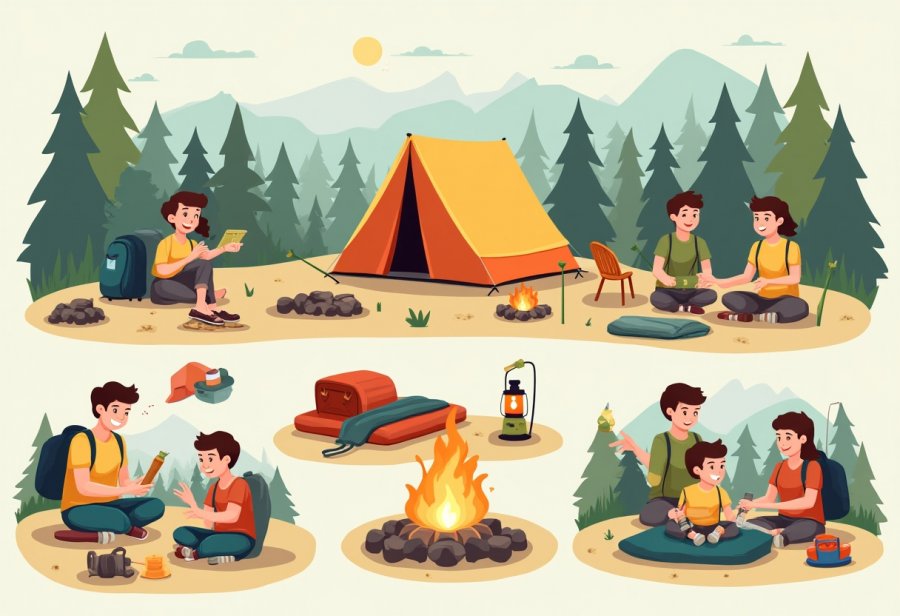
Camping is about more than just pitching tents and sleeping under the stars; it’s an opportunity to make the experience enjoyable and comfortable for everyone involved. Adding simple activities like storytelling around the campfire or playing outdoor games can turn a basic trip into a memorable adventure. These moments foster bonding and help everyone relax, making the outdoors feel welcoming rather than intimidating. Easy games like scavenger hunts or frisbee tosses keep kids engaged and active, while adults can unwind with a good book or some quiet conversation. Incorporating these activities transforms the trip into a lively, shared experience that everyone will cherish.
Comfort is key to a happy camping trip, especially with family or newcomers. Choosing the right gear—like a sturdy, easy-to-pitch tent and a cozy sleeping bag suited to the weather—makes a big difference. Small touches like blankets, comfortable chairs, or a shaded canopy can turn a rugged setup into a cozy retreat. Bringing along a portable speaker or snacks boosts the atmosphere, helping everyone feel more at home amid nature’s beauty. When comfort is prioritized, it becomes easier to relax and truly enjoy the outdoors rather than just surviving in it.
Outdoor pursuits are what keep camping lively and engaging. Activities like birdwatching, exploring nearby trails, or wading in streams offer chances to connect with nature while staying active. Even simple things like collecting rocks, watching wildlife, or listening to the wind in the trees can turn into mini adventures. For water lovers, bringing a kayak or fishing gear adds another layer of fun. In the evening, campfire storytelling, singing songs, or playing card games help foster a sense of community and make the trip feel special. These pursuits entertain and deepen your appreciation for the environment, turning camping into a genuine outdoor adventure.
Planning ahead makes it easier to keep the fun going and ensures everyone stays comfortable. Involving the whole family in meal prep—like roasting marshmallows or cooking simple campfire recipes—adds a fun, interactive element. Setting up a designated chill-out area with blankets and seating gives everyone a place to unwind after a day of exploring. Having backup indoor activities, like board games or a portable speaker, helps keep the good times rolling if the weather shifts or plans change. Approaching camping with flexibility and a focus on fun turns it into a joyful bonding experience rather than just a logistical challenge.
The key to an enjoyable camping trip is to stay relaxed and adaptable. Packing essentials like comfortable chairs, a shade shelter, and easy snacks boosts comfort, but the real magic comes from your attitude. Embracing mishaps—whether it’s a forgotten item or a sudden rainstorm—can turn potential frustrations into funny stories. When everyone is in a good mood and ready to go with the flow, even setbacks become part of the adventure. This positive, easygoing mindset helps create a space where everyone feels involved and happy, making your first trip a true escape into fun and relaxation.
Remember, the goal is to have fun, relax, and make memories that last. When you focus on engaging activities, comfort, and a positive attitude, camping becomes more than just an outdoor task—it turns into a chance to connect, explore, and enjoy the simple pleasures of nature. With a little planning and patience, your outdoor adventures will become something you look forward to repeating, each trip building confidence and creating stories to cherish for years to come.
Executing Your First Camping Trip: Practical Tips and Troubleshooting Outdoors
Once you arrive at your campsite, take a moment to double-check that your tent is pitched securely. Make sure stakes are firmly in the ground and the fabric is taut enough to withstand wind or rain. A quick review of your setup can prevent discomfort later and boost your confidence in your shelter. As you settle in, keep safety at the forefront—attend to your campfire or stove constantly, never leave them unattended, and ensure fires are fully extinguished before sleeping or leaving the site.
Unexpected issues are part of outdoor life, so staying calm and prepared makes all the difference. If your stakes aren’t holding, try stabilizing your tent with rocks or logs. Weather surprises like rain or wind can catch you off guard, so having extra tarps or rain covers on hand helps protect your gear and keep everyone dry. Regularly check the weather forecast and be ready to adapt your plans if needed. When storms roll in, switch to indoor activities like reading, storytelling, or playing cards to keep spirits high.
Gear mishaps happen, but a little preparation helps you handle them smoothly. If your water filter clogs or your stove refuses to ignite, backup supplies or alternative methods can save the day. Carry extra batteries, a small repair kit, or a spare flashlight so you’re ready for common problems. Familiarize yourself with your equipment before the trip—it’s a quick way to troubleshoot efficiently and avoid unnecessary frustration. Quick fixes and knowledge turn potential setbacks into minor hiccups.
Staying aware of your surroundings is crucial. Keep an eye on weather changes, wildlife activity, and safety hazards around your campsite. Know your escape routes and ensure everyone in your group understands basic safety rules. Carry a map or GPS device and explore nearby trails safely. Being cautious and prepared for small emergencies helps prevent accidents and keeps your trip enjoyable.
Throughout the adventure, maintain a positive attitude. Challenges are inevitable, but how you respond shapes the experience. View setbacks as chances to learn or share a laugh. Treat problems like a stuck zipper or a rain delay as part of the story you’ll tell later. Patience and humor turn frustrations into memorable moments, making the trip more fun and less stressful.
Flexibility is your best tool. Whether it’s adjusting plans when the weather shifts or improvising with your gear, being adaptable keeps your experience smooth. Sometimes, a simple change like moving your tent to higher ground or using a different cooking method can solve a problem quickly. The more open you are to change, the more you’ll enjoy each trip’s surprises.
Remember, confidence in outdoor settings grows with each challenge you face and solve. Every hiccup is a step toward becoming more skilled and comfortable in nature. Embrace these moments as part of the learning process, and don’t let minor setbacks dampen your enthusiasm. With patience, a sense of humor, and some quick thinking, your first camping trip will set a solid foundation for many more outdoor adventures to come.
Final Thoughts & Future Steps: Embrace the Journey and Explore Continually
Wrapping up your first camping experience is about embracing a relaxed mindset and seeing each trip as a step in your outdoor journey. Every challenge or unexpected moment becomes a chance to learn, build confidence, and deepen your connection to nature. When you approach the outdoors with curiosity and patience, what could seem daunting transforms into an exciting adventure worth exploring.
Preparation is the foundation, but your attitude makes all the difference. Viewing setbacks as opportunities rather than obstacles turns potential frustrations into funny stories and memorable lessons. A positive outlook not only helps you handle surprises more easily but also encourages others in your group to stay calm and enjoy the moment. This mindset keeps the experience enjoyable, no matter what surprises nature throws your way.
As you gain experience, you’ll find your confidence growing along with your skills. Trying new activities like fishing, hiking different trails, or wildlife watching keeps things fresh and engaging. Each trip adds to your knowledge and independence, making outdoor living more natural and rewarding. Remember, every seasoned camper started as a beginner, and each adventure brings new opportunities for growth and discovery.
Looking forward, there’s a vast world of outdoor fun waiting for you. Learning basic skills like navigation, outdoor cooking, or campfire building can make every trip more satisfying. Exploring different terrains, seasons, and activities keeps the experience exciting and helps you develop a well-rounded outdoor skill set. Each new challenge you embrace broadens your horizons and strengthens your confidence.
Most importantly, enjoy the process. The best moments often come from unexpected surprises—whether it’s a sudden rainstorm or a forgotten item—that turn into stories you’ll laugh about later. Embracing these moments with humor and patience turns every outing into a memorable chapter of your outdoor story. The more open you are to the unpredictable, the richer your experiences will become.
Remember, outdoor adventures are about connection—both with nature and with the people you share them with. Every trip, whether perfect or imperfect, enriches your understanding and appreciation of the natural world. With each journey, you’ll find yourself more eager to explore, more confident in your abilities, and more inspired to keep discovering new places.
So keep exploring with curiosity and an open mind. The outdoors isn’t just a destination; it’s a classroom, a playground, and a sanctuary. Each adventure shapes your skills, builds your resilience, and deepens your love for nature. The next trip is just around the corner—ready to teach, surprise, and inspire you every step of the way.