




What if the biggest obstacle to learning to swim isn’t the water itself, but the fear of taking that first brave step? This inspiring guide reveals how people of all ages can transform anxiety into confidence through patient, personalized instruction. Whether you’re a lifelong water avoider or someone eager to feel more comfortable at the beach, the journey begins with manageable goals—like floating or gentle breathing—that build trust and reduce fears. As skills develop in familiar, safe environments, the next challenge becomes embracing open water and new settings, where gradual exposure and safety consciousness turn water from a source of dread into a space of freedom and joy. Expert insights emphasize that progress is personal and non-linear, urging patience and consistency. By celebrating small victories and respecting limits, anyone can unlock a lifelong relationship with water—where confidence, safety, and happiness flow together. Are you ready to take that first step toward water’s welcoming embrace?
Unlock Confidence and Freedom: Your Water Journey Starts Here
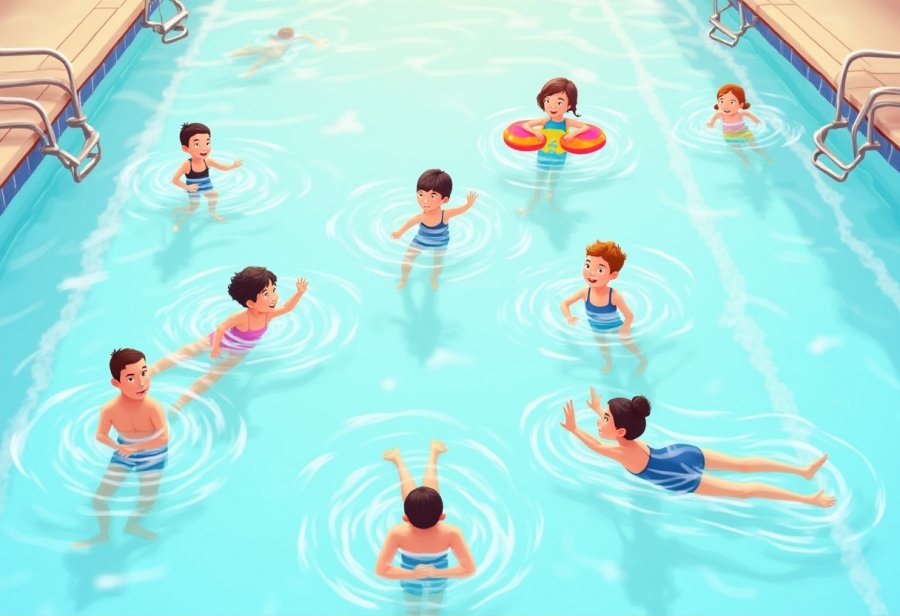
Learning to swim isn’t just about mastering strokes or floating; it’s a journey that can reshape how you see water—and yourself. For many, the idea of stepping into a pool or open water can feel intimidating, especially if past experiences or fears have left their mark. But no matter your age, taking that first brave step can unlock a sense of freedom, safety, and confidence that lasts a lifetime. It’s not merely about learning a new skill—it’s about transforming anxiety into assurance and hesitation into enjoyment.
This process is accessible to everyone. Whether you’re a young adult wanting to feel more comfortable at the beach or someone who’s avoided water altogether, learning to swim is a powerful way to break down barriers and open new possibilities. The water might seem like a daunting place at first, but with patience and the right guidance, it becomes a space of growth and empowerment. Every small step—splashing, floating, breathing calmly—builds trust in your body and reduces fear.
Many people fear water because of childhood slips, uncomfortable experiences, or simply not knowing what to expect. Recognizing that these fears are normal and shared by many can be a relief and the first move toward overcoming them. Gently exposing yourself to water—whether through supervised lessons or relaxed practice—helps turn apprehension into familiarity. It’s about creating positive associations, one small victory at a time.
Learning to swim later in life offers a unique opportunity: it’s never too late. Whether in your twenties or sixties, the water can become a place of joy and confidence, not fear. The key is to see swimming as a series of manageable steps. Starting with simple goals—like getting comfortable splashing or floating—sets a foundation for building trust and reducing anxiety. Each accomplishment, no matter how minor, adds to your confidence and makes the next step easier.
The journey isn’t just about physical skills; it’s about mindset. Approaching each session with patience, curiosity, and a willingness to learn can turn water from an obstacle into a source of joy, health, and freedom. The first brave step might be the hardest, but it’s also the most important. Once you take it, you’ll discover that water is a welcoming space—ready to support your growth and confidence for years to come.
Transform Anxiety into Adventure: Applying Water Skills in Real-Life Settings
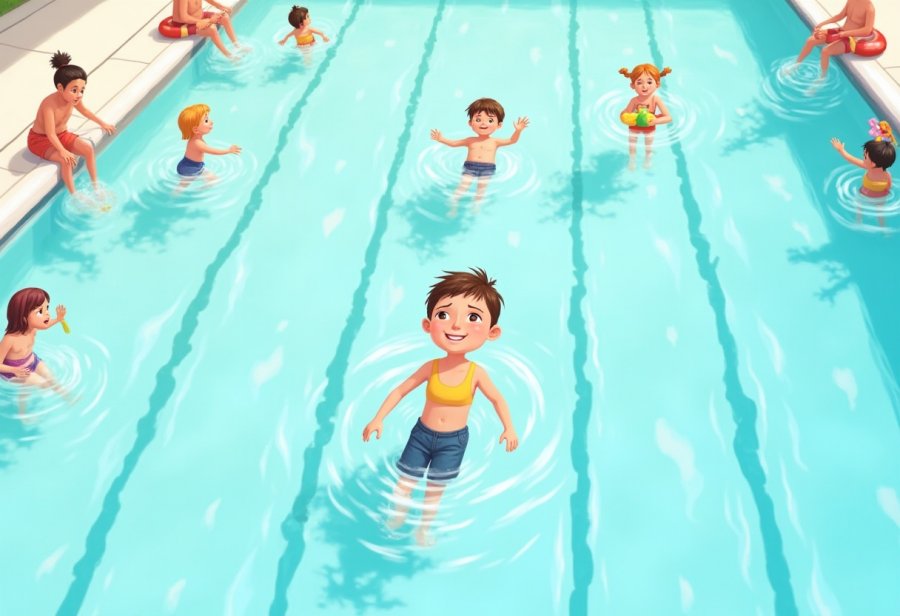
Once you’ve built a solid foundation of water skills and gained confidence in a controlled setting, the next step is to put those abilities into real-world situations. Moving beyond the safety of a pool or shallow area means gradually exposing yourself to different environments like lakes, beaches, or community pools. Starting in familiar, calm waters helps ease anxiety and reinforces your trust in your skills. As you feel more comfortable, you can slowly venture into slightly more challenging waters, always respecting your limits and ensuring safety is a priority.
Taking your skills into open water or public spaces can seem intimidating at first, but it’s essential for transforming confidence into true competence. The key is to progress gradually—only entering deeper or more active water when you feel ready. Swim with a buddy or in supervised areas, and follow local guidelines to stay safe. Each new environment offers valuable lessons—adapting to changing water temperatures, currents, and crowds—helping you develop a flexible, reliable confidence that works in any setting.
Consistency is crucial when it comes to maintaining and strengthening your water confidence. Regular practice helps embed muscle memory and creates positive associations with different water conditions. Even short sessions—like practicing breathing techniques or floating for a few minutes—can add up over time. Setting small, achievable goals, such as floating a little longer or trying a new water activity, keeps motivation high. These incremental successes build momentum and make the journey feel rewarding rather than overwhelming.
Varying your water environments further boosts your adaptability. Practice in lakes, rivers, or busy beaches to experience different conditions—like currents, temperature changes, and crowds—that mimic real-world scenarios. Each new challenge helps you refine your skills and handle unexpected situations calmly. By gradually pushing your boundaries at a comfortable pace, you turn water from a source of fear into a space of freedom and enjoyment, increasing your independence and comfort.
Safety remains the cornerstone of this journey. Always choose supervised locations, wear appropriate gear like goggles or floatation devices when needed, and avoid rushing into deep water before you’re ready. Listening to your body and respecting your limits prevents setbacks and injuries. Building confidence responsibly ensures that swimming stays a positive, lifelong habit rooted in safety and enjoyment. When safety guides your progression, the water becomes a trusted environment where you can relax and thrive.
Remember, progress isn’t always linear. Some days will feel easier, while others may present new challenges. Celebrate every small victory—whether it’s floating longer, feeling less anxious, or exploring a new water setting—as proof of your growth. Consistent, mindful practice keeps old fears at bay and steadily deepens your trust in your abilities. Over time, what once seemed daunting becomes second nature, and water transforms from an obstacle into a space of adventure, health, and joy.
Expert Tips for Success: Safe and Supportive Swimming Guidance
Experienced swimming instructors and safety professionals agree that patience and a personalized approach are essential when helping adults learn to swim later in life. Recognizing that each person comes with unique fears, past experiences, and starting points allows instructors to tailor lessons that build confidence gradually. Beginning with basic skills such as controlled breathing, floating, and gentle movements creates a safe foundation that fosters trust and reduces anxiety. When learners see steady progress, even through small steps, it reinforces their motivation and diminishes fears, making the learning process more manageable and encouraging.
Safety remains the top priority at every stage. Professionals emphasize the importance of choosing supervised environments, like designated pools or calm, shallow lakes—places where help is readily available if needed. Using appropriate safety gear, such as goggles, kickboards, or floatation devices, provides added stability and reassurance. Rushing into deeper water or attempting advanced techniques before feeling fully prepared can hinder progress or lead to accidents. Respecting your limits and progressing at a comfortable pace prevents setbacks, injuries, and frustration, making the journey safer and more enjoyable.
Creating a supportive atmosphere is equally critical. Positive reinforcement from instructors and loved ones helps learners stay motivated and open to trying new skills. Visualization techniques—like imagining oneself swimming confidently—can ease mental barriers and reduce fear outside of practice sessions. Breaking the process into small, achievable goals keeps momentum high, transforming what might seem overwhelming into a series of attainable steps. Celebrating these milestones builds confidence and demonstrates that progress is ongoing, even when challenges arise.
Consistency is key to building and maintaining water confidence. Short, regular practice sessions tend to be more effective than sporadic, lengthy ones. Repetition helps develop muscle memory, while familiar routines lessen apprehension. Incorporating fun activities like gentle laps, playful splashing, or simple drills keeps practice engaging and less intimidating. These enjoyable moments foster positive associations with water, helping learners view swimming as a source of health, adventure, and relaxation rather than fear. Over time, these habits deepen trust in one’s abilities and transform water into a space of confidence and enjoyment.
Finally, embracing new tools and technologies can enhance the learning experience. Virtual reality simulations, online tutorials, and biofeedback devices allow adults to familiarize themselves with water environments from the safety of home, reducing initial anxiety. Such innovations serve as valuable supplements to traditional instruction, creating a more engaging, personalized, and less daunting pathway to overcoming water fears. With patience, persistence, and expert guidance, anyone can turn water from an obstacle into a lifelong source of confidence, safety, and joy.
Celebrate Every Splash: Your Path to Lifelong Water Confidence
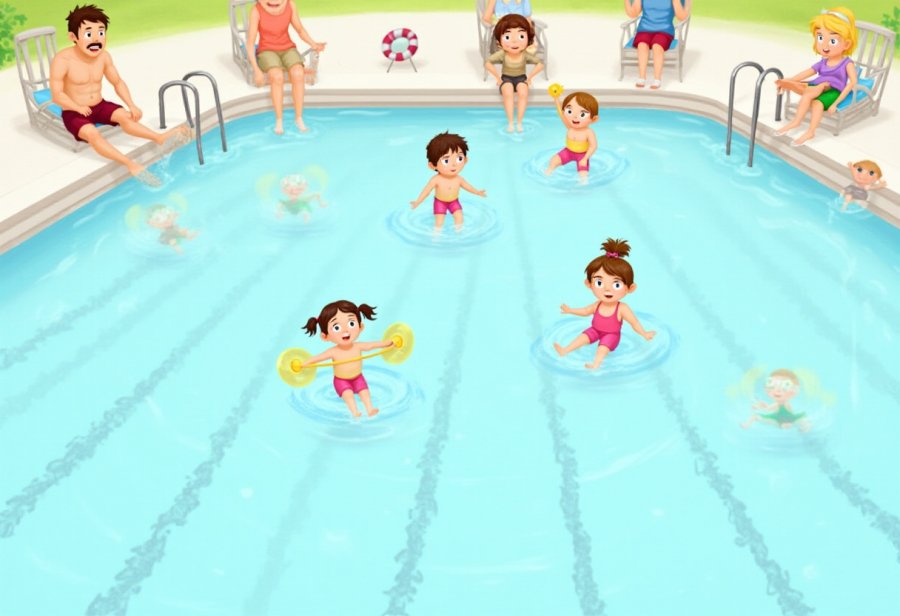
Learning to swim at any age isn’t just about acquiring a new skill—it’s about transforming your relationship with water and building lasting confidence. Every small step you take, whether it’s floating a little longer or feeling more relaxed in the water, adds up to a solid foundation of trust and safety that can serve you for years. These victories, no matter how minor, reinforce your motivation and turn apprehension into enjoyment, making swimming a positive part of your life.
Expect setbacks along the way—they’re a natural part of the process. Some days will feel easier, while others may challenge your patience. Instead of viewing these moments as failures, see them as opportunities to learn more about your resilience. Progress isn’t always a straight line, but each effort, no matter how small, pushes you closer to your goal. Patience and persistence remain your best allies, helping you stay motivated even when confidence dips.
Consistent practice is key to maintaining and deepening your water skills. Short, regular sessions are more effective than sporadic long ones. These routines help your muscles remember movements and your mind stay calm. Incorporate simple goals—like floating comfortably or trying a new environment—to keep yourself engaged. Celebrating these small wins keeps your motivation high and transforms the journey into a series of rewarding experiences.
Expanding your water horizons gradually is vital. Whether you’re exploring lakes, beaches, or community pools, each new environment offers fresh challenges and learning opportunities. Different water conditions, temperatures, and crowds teach you to adapt and handle unexpected situations with confidence. As you become more comfortable in varied settings, water begins to feel less like a threat and more like a space of freedom and fun.
Safety should always be your top priority. Swim in supervised areas, use appropriate gear when necessary, and don’t rush into deeper water before you’re ready. Listening to your body and respecting your limits prevents setbacks and injuries. Building confidence responsibly ensures that swimming remains a positive, lifelong habit rooted in safety and enjoyment. When safety guides your progress, water becomes a trusted partner in your growth.
Keep in mind that your journey is uniquely yours. Every effort you make contributes to your mastery and independence. Celebrate your progress, regardless of size, and stay positive about your ability to improve. With ongoing practice, patience, and a focus on safety, water will stop being an obstacle and transform into a space of joy, health, and freedom. Each new splash is another step forward—another chapter in your lifelong water confidence.
Stay curious and open-minded. The more you explore, the more your comfort and skills will expand. Whether it’s trying a different pool, a new water activity, or simply spending more time in the water, every experience builds your confidence and enjoyment. Remember, the goal isn’t perfection but progress—each effort strengthening your trust and making water a place where you thrive. Keep moving forward, and let water become a lifelong source of adventure, relaxation, and well-being.