




Underground street racing is more than just high-speed battles; it’s a vibrant subculture rooted in resilience, loyalty, and collective identity. These clandestine races transform forgotten city spaces into arenas of rebellion, where modified cars serve as symbols of pride and belonging. At night, camaraderie deepens through rituals, trust, and shared risks, forging bonds that transcend asphalt. Despite increasing legal pressures and surveillance, the community’s adaptability—via digital networks, sanctioned events, and creative expression—keeps the spirit alive. This culture influences urban aesthetics, from graffiti to streetwear, embedding itself into the fabric of city life. But what truly sustains it amid mounting challenges? The answer lies in the unbreakable bonds of brotherhood, craftsmanship, and shared purpose. As the scene evolves, its core values remain steadfast, inspiring new generations to honor the rebellious spirit that turns city streets into stages of resilience, art, and kinship—an enduring testament to human connection behind the wheel.
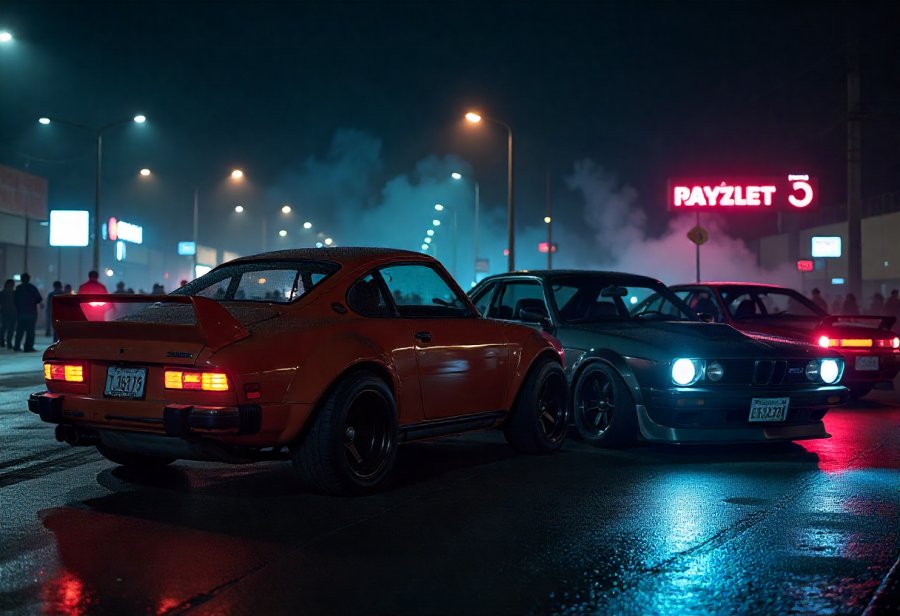
Uncovering the Vibrant Roots of Underground Street Racing Culture
Underground street racing is more than just a series of late-night races; it’s a vibrant subculture that has deeply influenced urban life around the world. These races often unfold in forgotten city spaces—abandoned lots, quiet backstreets, or industrial zones—transforming them into clandestine venues for high-speed battles. The raw, gritty environment amplifies the scene’s rebellious vibe, offering racers a sense of freedom away from the watchful eyes of authorities and mainstream society. It’s in these hidden corners that a unique culture of resilience and creativity takes root, driven by defiance and collective expression.
This scene’s influence extends well beyond the asphalt. Modified cars become symbols of personal identity and urban pride, turning everyday vehicles into mobile works of art. Bold paint jobs, custom decals, and performance upgrades aren’t just about speed—they tell stories about the driver’s style and crew allegiance. These visual signatures foster a sense of belonging, creating a shared language that strengthens community bonds. As a result, street racing becomes a form of urban storytelling, embedding itself into the city’s aesthetic and cultural fabric.
Nighttime gatherings serve as the heartbeat of this underground world. When darkness falls, the focus shifts from individual competition to collective camaraderie. Racers come together in secret spots, sharing stories, tips, and advice amid neon lights and flickering street lamps. These moments forge bonds that transcend mere racing—they develop into lifelong friendships grounded in trust, mutual respect, and shared risks. Rituals like signals, countdowns, and secret handshakes reinforce this sense of loyalty, transforming fleeting races into meaningful expressions of community.
Car modifications act as badges of honor within the scene. Personalizing vehicles with specific parts or distinctive paintwork signals allegiance and pride. Crews develop their own styles, and their cars become symbols of collective effort and dedication. This visual language of loyalty helps maintain unity despite external pressures, making each vehicle a testament to craftsmanship and community effort. Through these signatures, racers communicate their identity and allegiance, strengthening the bonds that keep the scene alive.
Despite increasing restrictions, underground street racing endures because its core values—brotherhood, loyalty, and a shared passion for speed—remain strong. Technology plays a crucial role here, with digital platforms and underground networks helping organize discreet events and keep the community connected. Even as authorities tighten their grip, racers find new spaces and methods to keep the scene thriving. This adaptability ensures that the spirit of rebellion and resilience continues to shape urban culture, inspiring new generations to carry the torch.
At its heart, underground street racing is about more than just chasing speed. It’s a communal space where loyalty and creativity flourish, forging bonds that run deeper than asphalt. The scene’s influence is visible everywhere—from streetwear and graffiti to underground music—turning city streets into canvases of expression. Despite challenges and crackdowns, the underground racing community remains resilient, driven by the unbreakable bonds formed behind the wheel. It’s a high-octane family built on shared risks, respect, and a relentless pursuit of freedom.
As the scene evolves, it faces a delicate balancing act. Authorities deploy surveillance and harsher penalties, pushing illegal races further underground. Yet, this only deepens the reliance on trust and loyalty within crews, reinforcing tight-knit bonds. Some factions are exploring sanctioned events focused on skill and brotherhood, which could help legitimize parts of the scene while preserving its rebellious spirit. Whatever form it takes, the community’s ability to adapt and uphold its core values will determine its continued vitality.
Ultimately, underground street racing stands as a testament to urban resilience and human connection. Its future depends on how well its members can adapt without losing sight of their roots—brotherhood, loyalty, and the unbreakable bonds formed behind the wheel. Despite obstacles, the spirit of rebellion and community drives racers forward, turning city streets into enduring stages of resilience, creativity, and kinship. This high-octane culture continues to thrive because, at its core, it’s about more than speed—it’s about belonging.
Brothers on the Road: Loyalty and Unbreakable Bonds in the Scene
Street racing goes beyond the thrill of speed; it’s about the bonds that form behind the wheel. For many racers, their crew becomes a second family, built on shared late-night drives, close calls, and the adrenaline of victory. These crews are more than just groups—they’re tight-knit communities where loyalty and trust run deep. Knowing someone has your back, whether during a risky race or in tough times, keeps many coming back season after season.
Trust within these crews isn’t superficial. It’s earned through countless hours working on cars, exchanging tips, and supporting each other’s setbacks. Lending a part or offering advice isn’t just generosity—it’s a sign of loyalty that cements the bond. Over time, these relationships extend beyond the streets, creating a sense of belonging that’s rare outside this scene. The shared passion for speed transforms into a collective identity rooted in mutual respect and unwavering trust.
Night races often serve as some of the most powerful bonding moments. Gathering in the dark, it shifts from competition to camaraderie. These late-night meetups become rituals, where trust is reinforced through shared risks and adrenaline. Conversations flow easily, mentorship takes root, and mutual respect deepens. In these quiet spaces, racers truly feel like family, united by their love of speed and the unspoken understanding that they’re part of something bigger than themselves.
Car modifications act as visual symbols of loyalty. Custom paint, decals, or specific parts signal allegiance and pride. Crews develop their own styles, making their cars expressions of collective effort and individual dedication. This visual language of loyalty maintains unity despite external pressures, turning each vehicle into a testament to craftsmanship and community effort. It’s a silent way of saying, “We’re in this together.”
The rules and rituals of the scene also strengthen these bonds. Respecting hierarchy, keeping secrets, and following signals or countdowns create a code everyone adheres to. These traditions foster a sense of order and trust, turning each race into more than just a contest—it’s a reaffirmation of loyalty. Betrayal or revealing secrets can lead to exile, so discretion becomes a core value that keeps the scene cohesive and resilient.
At its core, underground street racing is more than a pursuit of speed; it’s a space where loyalty, trust, and shared purpose thrive. These relationships forge bonds deeper than asphalt, holding the scene together against legal pressures and societal judgment. In every shared glance, every secret handshake, and every modified car, the spirit of brotherhood lives on—fueling the scene’s resilience and unbreakable kinship.
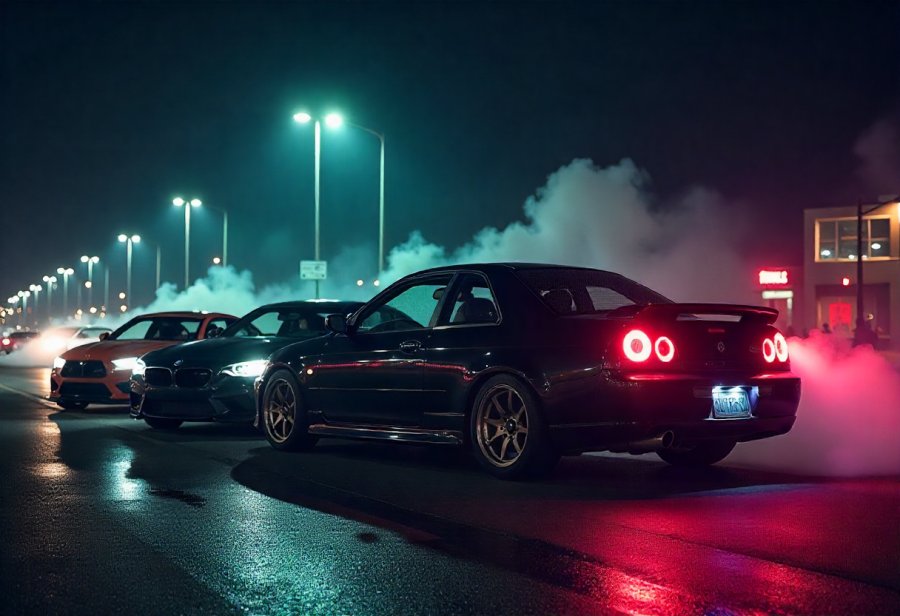
Urban Pulse: How Street Racing Shapes City Culture and Community
Underground street racing is more than just a series of clandestine races; it’s a powerful force shaping urban culture and community identity. These high-stakes events often turn forgotten city spaces—abandoned lots, industrial zones, quiet backstreets—into dynamic stages for rebellion and self-expression. The gritty environment amplifies the scene’s raw energy, offering racers a sense of freedom from the watchful eyes of authorities and societal norms. It’s within these hidden corners that a resilient culture of creativity and defiance takes root, rooted in collective identity and resourcefulness.
Beyond the asphalt, street racing’s influence seeps into the broader urban landscape. Customized cars become symbols of personal pride and artistic expression, transforming everyday vehicles into mobile canvases. Bold paint jobs, decals, and performance upgrades don’t just boost speed—they tell stories about the driver’s style, crew loyalty, and craftsmanship. These visual signatures foster a sense of belonging and shared identity, turning individual rides into symbols of community pride that reinforce loyalty and camaraderie.
Nighttime gatherings serve as the heartbeat of this culture. As darkness falls, the focus shifts from individual competition to collective connection. Racers convene in secret spots, sharing tips, stories, and advice amid flickering streetlights and neon signs. These moments deepen bonds that transcend racing—trust, mentorship, and mutual respect flourish in the quiet spaces between engines roaring and tires screeching. Rituals like signals and countdowns become symbols of unity, transforming fleeting races into acts of loyalty and shared purpose.
Car modifications act as visual badges of allegiance within this underground network. Custom paint, decals, and specific parts signal crew membership and pride. These signatures create a visual language that maintains cohesion despite external pressures. Vehicles become more than just machines—they’re expressions of collective effort, personal dedication, and community effort. Each modified car, each signature detail, speaks silently of loyalty, craftsmanship, and the unbreakable bonds that hold the scene together.
Despite tightening restrictions and legal crackdowns, underground street racing endures because its core values—loyalty, resilience, and a shared passion—remain strong. The community’s ability to adapt, using digital networks and secret spaces, keeps these bonds alive. The scene continues to influence urban aesthetics through graffiti, underground music, and streetwear, embedding itself into the city’s cultural fabric. It’s more than a pastime; it’s a movement rooted in the power of community, creativity, and the unyielding spirit of rebellion.
Insider Perspectives: Wisdom from Racers, Builders, and Community Leaders
Seasoned racers and experienced car builders agree that respect forms the foundation of underground street racing. They emphasize that skill, meticulous preparation, and teamwork are what keep everyone safe and competitive in a scene defined by high speeds and tight margins for error. For these veterans, a well-maintained car isn’t just about raw power; it’s about trust—trust that your vehicle can handle sudden maneuvers and intense acceleration. This trust is built through countless hours of tuning, testing, and shared effort, creating bonds that go beyond the asphalt.
Community leaders and longtime participants see street racing as more than reckless thrill-seeking. They view it as a vital part of urban culture—an outlet for expression, resilience, and identity. Many take on mentorship roles, guiding newcomers not only on technical skills but also on respecting the scene’s unspoken codes. Their advice stresses the importance of knowing your limits—whether that’s understanding your car’s capabilities or recognizing when to hold back. Loyalty and trust aren’t just ideals; they’re practical tools that help preserve the scene’s integrity amid increasing external pressures.
Safety remains a core concern for experienced insiders. They advocate for thorough vehicle checks—brakes, tires, engines—to ensure reliability. Wearing safety gear like helmets and harnesses shows respect for oneself and fellow racers, reinforcing a culture of responsibility. Building trust within crews, knowing who to rely on for support, reduces risks and legal issues. These practices reflect a scene that values craftsmanship and caution equally, understanding that longevity depends on balancing adrenaline with prudence.
Many legendary races stand out in the collective memory of the scene—moments where precision, strategy, and trust were tested under neon-lit skies. One such showdown saw a skilled driver execute a flawless drift, turning a seemingly lost race into a victory that became part of underground lore. These races aren’t just about brute strength; they’re about timing, finesse, and the unspoken understanding that every move counts. The camaraderie forged in these moments cements the scene’s bonds, making every race a shared story of trust and mastery.
Despite the risks and legal hurdles, experienced insiders see underground racing as a vital cultural force. It’s a space where craftsmanship, creativity, and loyalty thrive—an urban brotherhood built on mutual respect and shared purpose. Their insights highlight that behind every engine roar and tire screech is a community committed to resilience. This culture endures because its members understand that street racing is more than a pursuit of speed—it’s a high-octane expression of connection, trust, and collective identity that keeps the scene alive against all odds.
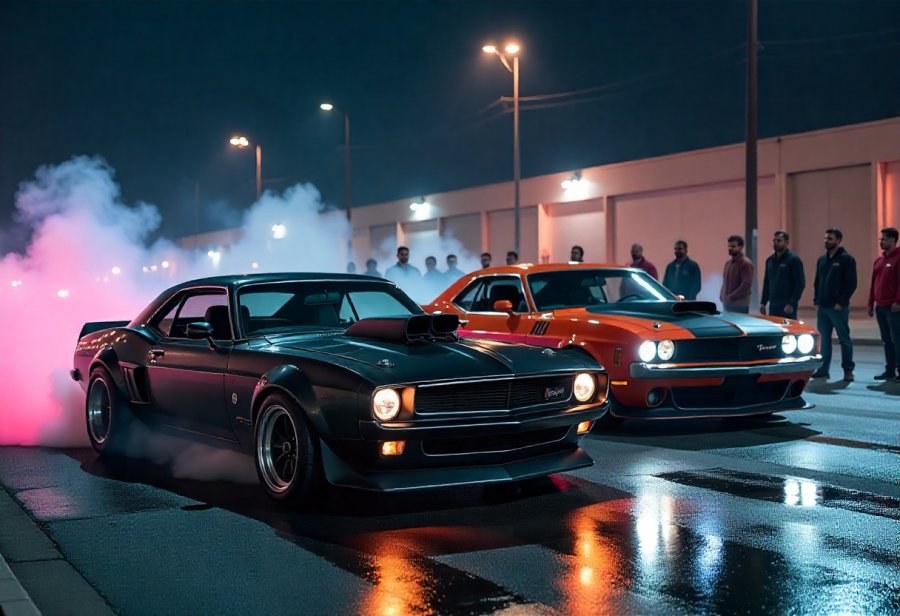
Facing the Future: Evolution, Challenges, and the Resilient Spirit of Underground Racing
As underground street racing continues to adapt and evolve, its core values—brotherhood, loyalty, and a shared passion for speed—remain at the heart of the scene. Even as law enforcement steps up surveillance and stricter regulations threaten to push races further underground, the community’s resilience keeps it alive. The bonds formed through trust, shared effort, and mutual respect serve as a powerful force that sustains the scene amidst external pressures. Digital platforms and underground networks now play a crucial role in organizing discreet events, allowing enthusiasts to stay connected and preserve their culture.
Looking ahead, the scene faces a delicate balancing act. Authorities are employing more sophisticated surveillance tools and harsher penalties, which could force illegal races into even more hidden spaces. This reliance on secrecy and loyalty may deepen, making the bonds within crews even more vital. Simultaneously, some factions are pushing for sanctioned, safer gatherings focused on skill and brotherhood rather than reckless risk-taking. These efforts could help legitimize parts of the scene, ensuring its survival without sacrificing its rebellious spirit. The ability of the community to innovate and uphold their shared values will determine its future strength.
The cultural impact of street racing shows no signs of waning. Its symbols—customized cars, graffiti art, underground music, streetwear—continue to shape urban aesthetics and inspire broader social movements. These elements act as a visual language of resilience and defiance, transforming city streets into canvases of expression and community pride. As new generations join the scene, they carry forward this legacy, blending tradition with innovation. Despite external challenges, the scene’s role as a form of urban storytelling and cultural identity remains powerful and relevant.
For those considering involvement or seeking to understand this high-octane brotherhood, responsibility and respect are more important than ever. Maintaining trust within crews, honoring shared rituals, and practicing safety help ensure the scene’s longevity. Proper vehicle maintenance, safety gear, and knowing when to step back protect everyone involved. These principles reinforce the scene’s foundation—an underground culture driven not just by adrenaline but by a resilient sense of belonging and craftsmanship. By staying true to these core ideals, enthusiasts help keep underground racing alive and vibrant.
In the end, underground street racing stands as a testament to urban resilience and human connection. Its future depends on how well its members can adapt without losing sight of their roots—brotherhood, loyalty, and the unbreakable bonds forged behind the wheel. As technology and culture continue to evolve, so too will the ways in which this scene sustains itself. The spirit of rebellion and community will persist, turning city streets into enduring stages of creativity, resilience, and kinship that inspire generations to come.