




The Ford Mustang stands as an enduring symbol of American muscle, freedom, and rebellion. Since its debut in 1964, it has continually evolved while maintaining its iconic silhouette and rebellious spirit. But what truly makes this car legendary? Is it the roaring V8 engines, the aggressive design, or the cultural influence in movies and music that cements its status? Today’s Mustangs blend modern technology with timeless style—offering impressive performance, innovative features, and a community of passionate enthusiasts. From its roots as a symbol of independence to its role in shaping automotive culture, the Mustang embodies resilience, power, and individualism. Its ability to adapt to changing times without losing its core identity keeps it relevant and inspiring across generations. Could this relentless pursuit of progress be why the Mustang remains America’s ultimate icon of freedom and raw power?
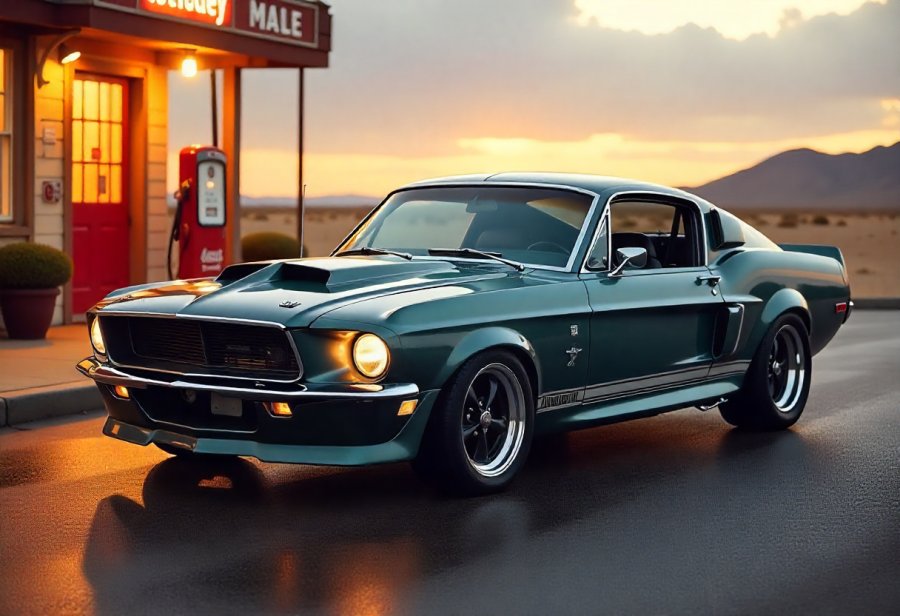
Unveiling the Icon: The Mustang’s Enduring Legacy of Freedom and Rebellion
The Ford Mustang isn’t just a car; it’s a symbol that has come to define American automotive culture. Since its debut in 1964, the Mustang has stood for more than just transportation—it embodies freedom, rebellion, and the pursuit of adventure. Its bold design, powerful engines, and rebellious attitude quickly made it a favorite among drivers seeking to express their individuality and break free from conventions. Over the decades, it has become an icon, capturing the imagination of both car enthusiasts and casual fans alike.
What makes the Mustang truly special is its ability to evolve while staying true to its roots. From the classic first-generation models to today’s modern interpretations, the car has maintained its signature long hood and aggressive stance. Yet each new iteration introduces innovative technology and performance upgrades that keep it relevant in a competitive market. This seamless blend of tradition and innovation is a key reason why the Mustang continues to inspire.
Beyond its striking appearance and impressive performance, the Mustang embodies core American values. It represents strength, resilience, and the desire for personal freedom. Its roaring V8 engines and muscular profile have become symbols of raw power, evoking a sense of pride and independence. This cultural presence in movies, music, and media has solidified its status as more than just a vehicle—it’s a lifestyle statement that resonates deeply with many.
The Mustang’s story is also about community and shared passion. Owners often see their cars as extensions of themselves, customizing and caring for them with pride. Car meets, shows, and road trips foster a sense of belonging among enthusiasts, turning the Mustang into a unifying symbol of American ingenuity and spirit. This community aspect helps preserve its legacy, passing it from generation to generation.
As we look at its journey through history, it’s clear that the Mustang remains more than just a car—it’s an enduring emblem of freedom, power, and rebellion. Its design details, performance capabilities, and cultural significance all contribute to its timeless appeal. The Mustang’s ability to inspire continues to make it an icon that embodies the very essence of American automotive spirit.
From Classic Origins to Modern Marvels: The Mustang’s Evolution Through the Decades
Since its debut in 1964, the Ford Mustang has undergone a remarkable journey of evolution and transformation. The first models set the tone with their distinctive long hoods, short rear decks, and sporty, aggressive styling that made an immediate impression. Powered by a range of engines—from modest four-cylinders to high-performance V8s—these early Mustangs created a new “pony car” segment, blending affordability with muscle car attitude. This initial success laid the foundation for a legacy that would grow and adapt over the decades.
During the muscle car era of the late 1960s and early 1970s, the Mustang solidified its reputation for speed and raw power. Special editions like the Shelby G.T. 500 pushed the limits with larger engines and more aggressive styling cues. These models became symbols of American muscle, combining everyday usability with racing-inspired features. This period established the Mustang as more than just transportation—it became a statement of rebellion and performance.
As automotive technology advanced, so did the Mustang’s design. The 1980s and 1990s brought sleeker, more aerodynamic forms along with modern materials that improved handling and comfort. Ford introduced fuel injection, upgraded suspension, and safety features, making the Mustang more refined without sacrificing its core character. The early 2000s saw a nostalgic revival, with designs that paid homage to the original models while incorporating modern technology and amenities.
More recently, the Mustang has continued to incorporate cutting-edge innovations. Turbocharged engines now deliver impressive power while maintaining efficiency, and digital dashboards add a contemporary touch inside. Despite these updates, the signature silhouette—a long hood and short rear deck—remains intact, keeping the car instantly recognizable. This blend of tradition and innovation ensures the Mustang stays relevant and appealing to new and longtime fans alike.
Design elements have evolved subtly yet significantly, with aerodynamic enhancements, LED lighting, and performance upgrades sharpening its look. Modern Mustangs deliver exhilarating speeds and handling capabilities, reaffirming its status as a true muscle car built for thrill. Thanks to continuous engineering improvements, it remains a symbol of raw power and style that respects its heritage while embracing the future.
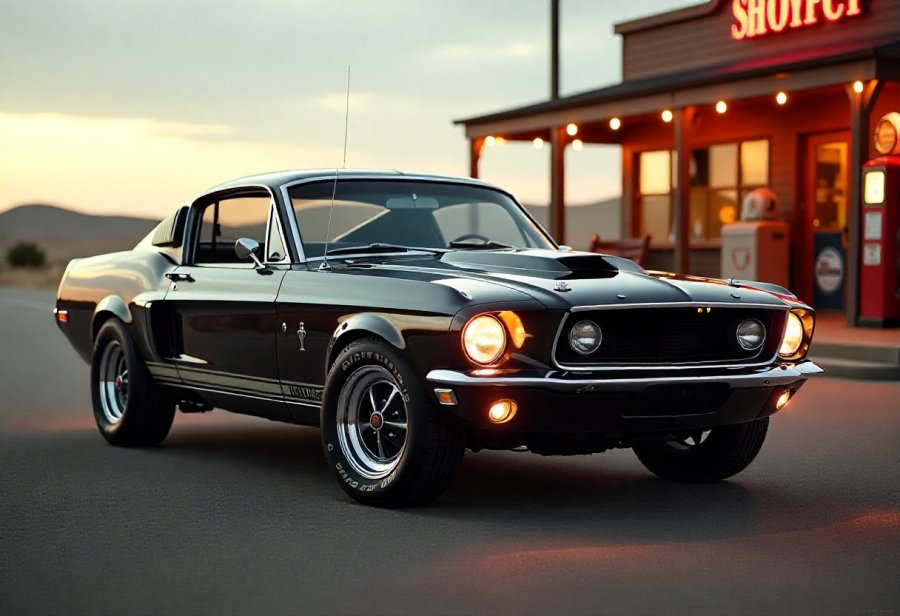
More Than a Car: How the Mustang Embodies American Values of Power and Independence
The Ford Mustang has long stood as a symbol of American values—embodying the spirit of freedom, strength, and individuality that define the nation. Its bold, muscular design commands attention, serving as a visual declaration of confidence and rebellion. More than just a vehicle, the Mustang represents the desire to break free from societal constraints and carve out a personal identity rooted in independence.
Power is at the core of what makes the Mustang an American icon. From its earliest days, it’s been equipped with roaring V8 engines and a muscular stance that evoke raw performance and resilience. This relentless pursuit of speed and strength mirrors the American ethos of pushing boundaries and overcoming challenges. The car’s aggressive attitude and commanding presence have made it a symbol of dominance and control on the road.
The Mustang’s rebellious spirit is reinforced by its cultural presence in movies, music, and media. Films like “Bullitt” and franchises such as “Fast & Furious” have cemented its reputation as a vehicle for daring adventures and breaking societal norms. Its appearances in pop culture elevate it beyond a mode of transport, transforming it into a symbol of freedom and the thrill of the open road.
Driving a Mustang is often seen as an act of self-expression. Owners cherish the opportunity to personalize and customize their cars, making each one unique while still honoring the model’s heritage. This individualism fosters a sense of pride and belonging within a passionate community that spans generations, united by a shared love for performance and style.
Beyond aesthetics and performance, the Mustang embodies resilience and adaptability. It has evolved over decades without losing its core identity, integrating modern technology and safety features while preserving its signature design. This ability to honor tradition while embracing progress keeps the Mustang relevant and inspiring for new generations.
At its heart, the Mustang continues to inspire a sense of possibility and adventure. It champions the American dream of forging one’s path, encouraging drivers to pursue their passions with confidence. As an enduring legacy, it remains a powerful symbol of freedom, individuality, and the unyielding spirit that defines America.
Present-Day Powerhouse: The Mustang’s Role in Today’s Automotive Market and Culture
Today, the Ford Mustang remains a prominent force in the automotive world, symbolizing American muscle and performance more than ever. Modern models skillfully blend timeless design cues with contemporary styling, featuring sleek lines, LED lighting, and digital dashboards that appeal to today’s drivers. Under the hood, engine options range from turbocharged four-cylinders offering a balanced mix of power and efficiency to roaring V8s that deliver the signature Mustang sound and exhilarating acceleration. This versatility keeps the Mustang competitive in a crowded market while honoring its storied heritage.
Performance continues to be a core strength. Turbocharged engines now produce over 310 horsepower, providing spirited driving with improved fuel economy. For enthusiasts craving raw power, the 5.0-liter V8, known as the Coyote, pushes out more than 450 horsepower, ensuring every drive feels like an adrenaline rush. Features like adaptive suspension, high-performance brakes, and electronic stability control enhance handling on winding roads and straightaways alike, making the Mustang a true driver’s car.
Design-wise, the modern Mustang preserves its iconic silhouette—long hood, short rear deck—that has defined it for generations. LED headlights, aggressive styling accents, and aerodynamic enhancements keep its look sharp and relevant. Inside, the cabin balances sporty aesthetics with modern technology, offering digital displays and premium materials that create a confident, driver-focused environment. These elements help the Mustang stand out on the road and attract a diverse range of owners, from casual enthusiasts to dedicated performance fans.
Culturally, the Mustang’s influence remains strong. Its appearances in movies, TV shows, and music continue to reinforce its image as a symbol of freedom and rebellion. It’s often associated with daring adventures and breaking societal norms. This cultural presence helps keep the Mustang relevant, inspiring new generations to dream big and pursue adventure with confidence.
The ongoing evolution of the Mustang reflects its ability to adapt without losing its core identity. Innovations in technology, safety, and comfort are integrated seamlessly, ensuring the car remains modern and appealing. Despite these updates, the essence of the Mustang—the raw power, striking design, and rebellious spirit—stays intact, maintaining its place as an American icon.
For many owners, driving a Mustang is more than a commute; it’s a lifestyle. Customizations, road trips, and spirited drives turn the car into a personal statement. The community of enthusiasts continues to thrive, sharing stories and celebrating their passion for performance and style, further cementing the Mustang’s legacy.
In the broader market, the Mustang’s presence reinforces its status as a symbol of American resilience and ingenuity. It continues to inspire innovation within the industry while serving as a reminder of the muscle car era’s enduring appeal. The combination of tradition and progress ensures the Mustang remains a relevant and revered icon.
Overall, the Ford Mustang’s current position exemplifies its timeless appeal. It balances modern engineering with rich history, cultural significance with innovative design. As it evolves, the Mustang stays true to its roots—an enduring symbol of American freedom, power, and individuality that continues to thrill drivers across generations.
Why the Mustang Remains a Legend: The Secrets Behind Its Timeless Status
The Ford Mustang’s status as a timeless legend hinges on its seamless blend of striking design and enduring performance. Its iconic silhouette—the long hood paired with a short rear deck—has remained instantly recognizable for over half a century, symbolizing speed and strength. Subtle yet consistent updates keep this visual identity fresh, allowing the Mustang to evolve without losing its core essence. Details like the signature grille and tri-bar taillights evoke a deep sense of heritage, resonating with both longtime fans and new enthusiasts.
At the heart of its legendary reputation is performance. From the outset, Ford equipped the Mustang with powerful engines, and over the years, those engines have become even more impressive. Today’s turbocharged four-cylinder models deliver a balanced mix of power and efficiency, while the roaring V8s, like the 5.0-liter Coyote, produce over 450 horsepower, igniting every drive with adrenaline. High-performance features like adaptive suspension and advanced brakes make the Mustang not just a showpiece but a true driver’s car capable of thrilling speed and agility.
Cultural influence plays a vital role in cementing the Mustang’s place in history. Its appearances in iconic movies such as “Bullitt” and franchises like “Fast & Furious” have elevated it beyond a vehicle—transforming it into a symbol of rebellion, adventure, and freedom. The car’s presence in music, media, and pop culture reinforces its image as an emblem of breaking societal norms and embracing individualism. This cultural resonance ensures that the Mustang remains relevant and aspirational across generations.
The spirit of rebellion and self-expression fuels the Mustang’s lasting appeal. Owners see their cars as personal statements, customizing and caring for them with pride. This passionate community, spanning decades, celebrates the car’s history and shares stories of road trips, restorations, and racing. The Mustang isn’t just a mode of transportation; it’s a vehicle that inspires confidence, fosters connections, and embodies the pursuit of dreams.
Ultimately, what makes the Mustang a true legend is its ability to adapt without losing its identity. It balances innovation with tradition, continuously evolving through technological advancements while staying true to its roots. This resilience, combined with its design, performance, and cultural significance, ensures that the Mustang will forever represent American strength, freedom, and individuality—an enduring icon that continues to thrill and inspire.
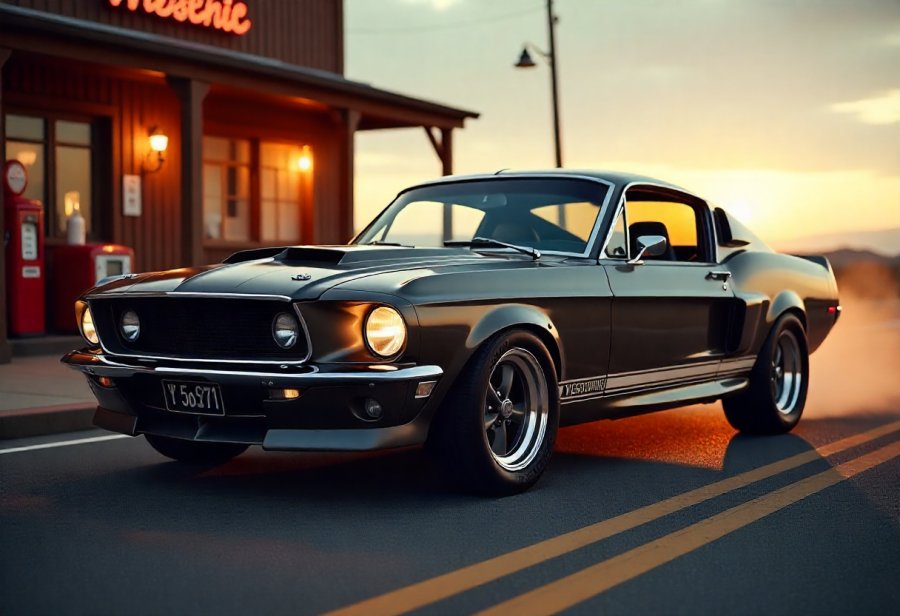
Beyond the Road: The Mustang’s Impact on Culture, Community, and Personal Identity
The Ford Mustang’s influence extends well beyond the showroom, shaping how people see themselves and connect with others. For many owners, driving a Mustang isn’t just about getting from point A to B; it’s a statement of independence and personal style. Custom paint jobs, performance tweaks, and even simple pride of ownership transform the car into a reflection of individual identity, turning everyday drives into expressions of passion and authenticity.
This personal connection often leads to a vibrant community of enthusiasts. Car meets, shows, and road trips become opportunities to share stories, showcase modifications, and bond over a shared love for performance and design. These gatherings foster a sense of belonging, where owners see their Mustangs as more than machines—they’re part of a lifestyle rooted in rebellion, freedom, and adventure.
Pop culture has played a key role in cementing the Mustang’s place in daily life. Its appearance in iconic movies like “Bullitt” and “Gone in 60 Seconds,” along with its frequent presence in music videos and TV shows, elevates it to a symbol of daring and resilience. For many, owning a Mustang connects them to a broader narrative of breaking norms and embracing individualism, inspiring confidence and a sense of possibility.
Beyond personal pride, the Mustang influences broader cultural conversations about American resilience and innovation. Its enduring popularity encourages new generations to challenge conventions and pursue their passions. Restorations and custom builds often become rites of passage, sparking dreams and ambitions that ripple through communities and across ages.
Ultimately, the Mustang’s impact is woven into the fabric of everyday life. It’s a catalyst for connection, a symbol of dreams realized, and a reminder that the American spirit—free, bold, and relentless—lives on through every driver who takes the wheel.