




In an era dominated by digital interactions, could the simple act of tending a garden together unlock profound bonds and promote healing? This insightful exploration reveals how working side-by-side in a backyard—not just planting and harvesting but engaging deeply with nature—fosters trust, patience, and emotional resilience. Gardening becomes more than a hobby; it turns into a ritual of connection that nurtures empathy and vulnerability. Scientific research underscores gardening’s mental health benefits, showing that shared outdoor activities reduce stress, enhance mindfulness, and build community—especially vital amid digital disconnection. From small balcony projects to community farms, the future of garden bonding promises innovative ways to strengthen relationships across generations and backgrounds. As these green spaces grow in importance, they offer a sanctuary for emotional healing and social cohesion, transforming simple acts of care into powerful tools for human connection and resilience—raising the question: could the roots of a garden hold the key to a more connected world?
Sharing Gardens: Cultivating Bonds Beyond the Soil
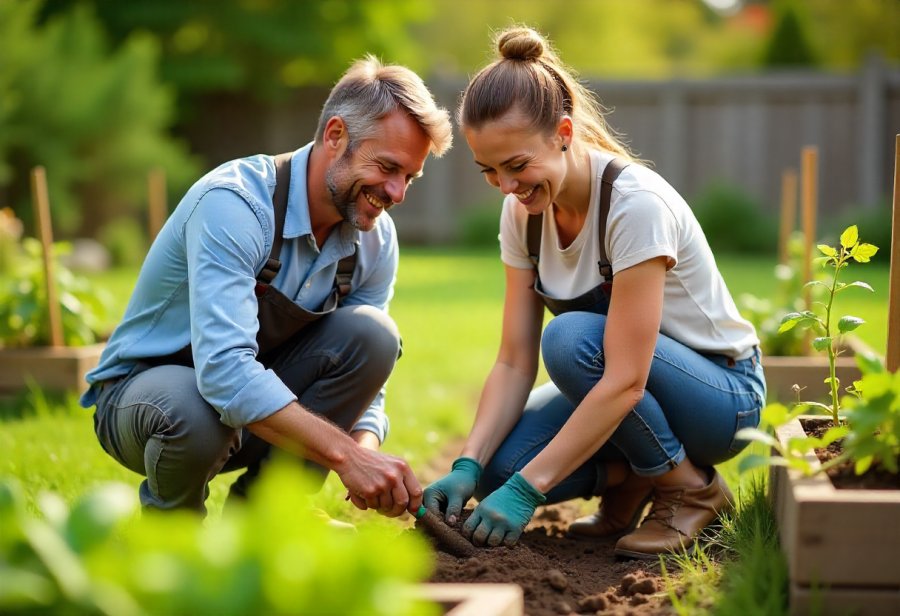
Sharing a garden isn’t just about planting flowers or growing vegetables; it’s about creating a space where connection can truly flourish. When people work outside together, side-by-side, conversations tend to flow more naturally, and trust builds quietly through shared effort. The act of tending to plants fosters openness and patience, often without many words, as hands dig into the soil and seeds are carefully placed. These moments become a gentle rhythm that encourages emotional closeness and mutual understanding.
Gardening together also transforms communication. Whether watering, weeding, or harvesting, these simple tasks create a sense of teamwork that strengthens bonds over time. Participants learn to listen, support each other’s ideas, and celebrate small successes, laying a foundation of cooperation rooted in shared purpose. The physical act of caring for living things helps cultivate trust and empathy, making the experience more meaningful than just a hobby.
In today’s digital age, genuine human connection can feel elusive. Social media and virtual interactions often lack the warmth and nuance of face-to-face contact. Gardening offers a refreshing break from screens, grounding participants in the sensory world—feeling soil, smelling blooms, and witnessing growth in real time. These tangible experiences remind us that real bonds are rooted in shared, physical moments, helping bridge the emotional gap created by digital communication.
Beyond the physical activity, gardening taps into a deep human need for belonging. The innate connection to nature—what some call biophilia—becomes a powerful force for community. Working side-by-side in the soil promotes emotional resilience, as patience and vulnerability naturally emerge. Watching a seed sprout or a flower bloom can inspire hope and pride, especially during challenging times, reinforcing the healing power of shared care.
Gardening also encourages emotional healing. It’s a calming activity that helps slow down and process feelings. Witnessing the growth of a plant or celebrating a successful harvest can boost confidence and foster a sense of achievement. These shared moments of joy and challenge deepen relationships, offering a gentle path toward emotional well-being and connection that goes beyond words.
In the end, tending a garden together becomes more than an outdoor activity. It’s a ritual of connection, inviting vulnerability and patience. As hands get dirty and seeds find their place in the earth, people often discover that their relationships deepen naturally. Gardening becomes a quiet journey of emotional growth, showing that even simple acts of care can nurture profound bonds and foster healing through shared experience.
The Healing Power of Nature: Scientific Insights into Gardening and Connection
Research from psychology and neuroscience increasingly shows that gardening together offers genuine healing and bonding benefits. Spending time outdoors among plants and natural elements reduces stress, lowers cortisol levels, and boosts overall mental health. When we tend to greenery, our senses become more engaged—feeling soil, smelling flowers, and watching growth—promoting mindfulness and emotional regulation. These sensory experiences help us stay present, calm anxiety, and build resilience over time.
Psychological theories like Attention Restoration deepen our understanding of these effects. Natural environments help recharge mental energy, clear mental fatigue, and bring clarity, especially when shared in a garden setting. Working side-by-side on planting or watering creates a shared sense of purpose and achievement, reinforcing emotional bonds through patience, collaboration, and mutual support. This blend of scientific insight and psychological understanding highlights why gardening can be a powerful tool for healing and connection.
Engaging with nature also fosters emotional awareness. Tending a garden naturally encourages calmness and a sense of belonging. The rhythms of growth and change mirror our personal journeys, teaching patience and resilience. Sharing this process—laughing over failed seeds or celebrating blossoms—builds trust and empathy. Many find that outdoor gardening becomes a space for reflection and emotional renewal, helping to work through stress, grief, or anxiety. It’s about nurturing not just plants but emotional strength and self-awareness alongside the garden.
The social and psychological benefits of gardening are supported by well-established theories. The Biophilia Hypothesis emphasizes our innate connection to nature, which, when nurtured through shared activities, enhances feelings of community and support. Attachment Theory suggests that caring for living things evokes security and comfort, similar to human relationships. Participating in joint gardening tasks taps into these needs, creating a safe space for vulnerability and growth. These ideas demonstrate that gardening isn’t just horticulture—it’s a meaningful social activity that meets deep psychological needs.
All these insights reveal why gardening’s benefits extend beyond physical activity. It engages our senses, fosters patience, and builds trust. Tending a garden together can help heal emotional wounds and strengthen bonds, providing an accessible way to nurture both plants and relationships. As research continues to support these effects, it’s clear that gardening plays a vital role in promoting mental well-being and fostering human connection—especially in a world that often feels disconnected.
Growing Emotional Well-Being: Practical Benefits of Shared Gardening
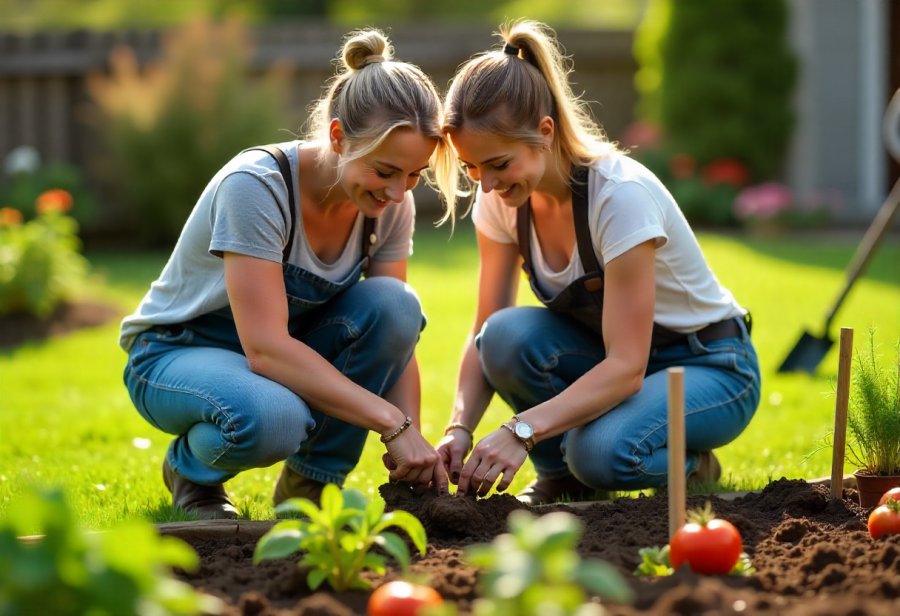
Sharing a garden experience can be a powerful way to strengthen relationships and boost emotional well-being. When people work together to plant, nurture, and harvest, they develop trust and a sense of shared achievement that’s hard to find elsewhere. These activities encourage patience, open communication, and empathy, all qualities that naturally carry over into everyday interactions. As everyone tends to the same plants, they learn to listen, support each other’s ideas, and celebrate small successes, laying a foundation of cooperation rooted in shared purpose.
Gardening also provides a calming, grounding activity that creates a safe space for emotional expression. The peaceful rhythm of watering, weeding, and waiting for plants to grow helps people slow down and focus. This environment offers a welcome break from stress and a chance to reflect, often leading to feelings of happiness and purpose. For families, friends, or neighbors working side-by-side, shared gardening becomes a therapeutic routine that nurtures both plants and hearts.
Caring for living things fosters trust and a sense of responsibility. Watching a seed sprout or a flower bloom can inspire hope, especially during challenging times. When efforts pay off—whether it’s a blooming flower or a thriving vegetable—they create a sense of accomplishment that boosts confidence and resilience. Sharing these successes strengthens emotional bonds and creates positive memories rooted in teamwork and patience.
Gardening together also encourages vulnerability. It’s a space where mistakes are part of the learning process, and setbacks don’t define the effort. Laughing over a failed experiment or celebrating a good harvest helps build understanding and compassion among participants. Over time, shared moments of joy and frustration deepen trust, making relationships more resilient and genuine.
Being outdoors in nature reduces stress and helps clear the mind. The sensory experience—feeling soil, smelling flowers, watching growth—promotes mindfulness and emotional regulation. Sharing these calming moments with others amplifies their positive effects, making gardening a natural way to foster emotional healing and strengthen bonds.
The collaborative nature of gardening taps into our innate need for connection. It creates a space where everyone’s contributions matter, fostering a sense of belonging. As plants grow and relationships deepen, participants often discover new strengths and shared values. Gardening becomes more than a task—it turns into a meaningful ritual for nurturing human connections and emotional well-being.
Starting Your Garden Journey: Tips for Building Bonds Through Nature
Getting started with shared gardening doesn’t need to be complicated. Even a small balcony with a few pots or a cozy corner in the yard can become a meaningful space for connection. Focus on simple projects like planting herbs or flowers that don’t require much time or expertise. The key is choosing activities that foster teamwork without feeling overwhelming, such as planning, planting, watering, or harvesting together. Regularly scheduled sessions—whether on weekends or after dinner—help establish a routine that makes the garden a shared sanctuary for relaxation and conversation.
Starting a small vegetable or herb garden together is an effective way to build cooperation. Involving everyone in selecting what to grow, planting seeds, and caring for the plants creates shared responsibility. Assign roles based on interest or ability—watering, weeding, or harvesting—to make each person feel valued and involved. Incorporating personal touches, like planting a favorite flower or herb for each participant, sparks meaningful conversations and deepens bonds through shared choices and stories.
Clear communication shapes a successful gardening experience. Discuss each person’s hopes for the garden—whether it’s relaxation, learning, or connection—and tailor activities accordingly. For beginners, sticking to easy-to-grow plants like lettuce or basil builds confidence and keeps motivation high. As skills develop, consider expanding the garden or introducing more complex tasks. Remember, the goal isn’t perfection but shared enjoyment; celebrate small wins and learn from setbacks together.
Flexibility is essential to keep gardening enjoyable amid busy schedules or space constraints. Shorter sessions, container gardening, or adapting plans for weather challenges help maintain engagement. If time or resources are limited, focus on manageable tasks that still foster collaboration. Embracing a flexible approach keeps the experience positive, ensuring everyone feels part of the process without pressure.
Encouraging shared responsibility nurtures a sense of ownership and pride. When everyone contributes—whether choosing plants, caring for them, or simply spending time together—they become more invested. Watching a seed sprout or a flower bloom can inspire hope and resilience, especially during tough times. These collective moments of growth and achievement reinforce emotional bonds and turn gardening into a source of comfort and mutual support.
The journey itself holds as much value as the harvest. Emphasize enjoying each step—sharing stories, observing changes, and supporting each other through challenges. Consistent, small efforts build trust and understanding, creating a solid foundation for stronger relationships. Every planting, watering, and harvest becomes a shared ritual that nurtures not only plants but also emotional connections.
As you deepen your shared gardening efforts, seek ways to include others and expand your community. Inviting friends, family, or neighbors to join can amplify the healing power of nature. Creating a communal space for tending plants fosters friendship, cooperation, and a sense of belonging. These collective acts of care turn gardening into a meaningful tradition—a simple yet profound way to nurture human bonds and promote emotional well-being.
Planting the Future: Emerging Trends in Garden-Based Healing and Connection
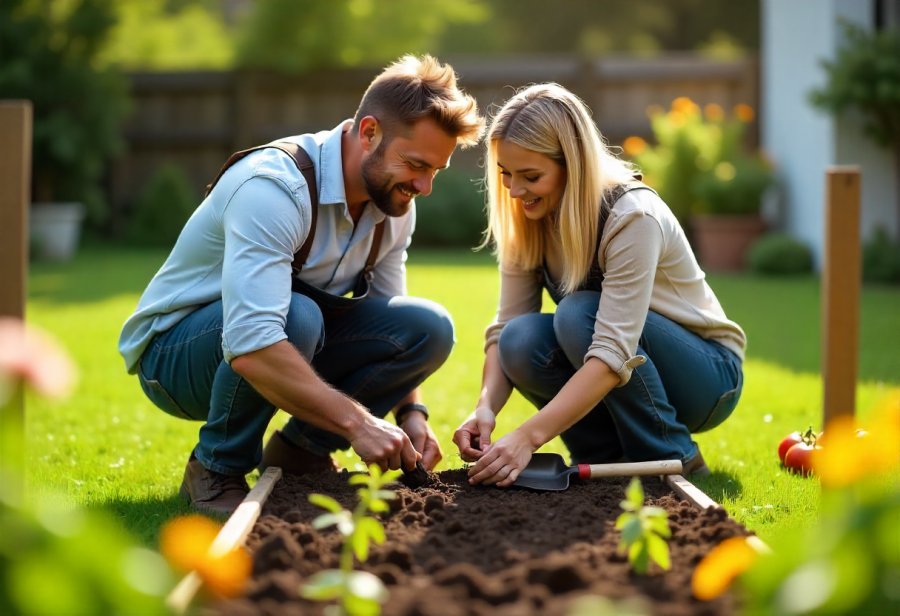
Looking ahead, the future of garden bonding is bright and full of potential. As urban spaces become more crowded, innovative solutions like micro-gardening and balcony farms are making it easier for city dwellers to connect with nature and one another. These small-scale projects transform limited spaces into vibrant community hubs, fostering social ties in areas where outdoor access was once scarce. Through shared tending and collective pride, neighbors can build a sense of belonging that extends beyond the garden.
Technology continues to reshape how we engage with gardening, making it more accessible and appealing. Apps, online workshops, and digital communities connect people regardless of their experience or location. Beginners can learn the basics, share tips, and stay motivated through virtual platforms, broadening the reach of garden-based bonding. This digital shift breaks down barriers, encouraging more diverse participation and turning gardening into a shared activity that spans generations and backgrounds.
The focus on mental health and well-being keeps elevating gardening’s role as a healing tool. Organizations and health professionals increasingly recognize outdoor activities like gardening as effective ways to reduce stress, improve mood, and foster resilience. Community gardens and therapeutic programs bring together diverse groups—families, seniors, or marginalized communities—creating spaces where shared effort cultivates empathy and understanding. These initiatives highlight how tending plants can serve as a universal language for connection and emotional recovery.
Sustainable gardening practices are also gaining momentum, offering new opportunities for collective action. Organic gardening, composting, and water conservation projects foster environmental stewardship while strengthening bonds. Working together on eco-friendly initiatives not only teaches practical skills but also cultivates a shared sense of purpose rooted in caring for the planet. These efforts transform gardening from a solitary act into a communal movement, reinforcing social ties through shared ecological responsibility.
Urban farms and community-led projects demonstrate how collective effort can ignite neighborhood transformation. Vacant lots turn into lush gardens that serve as gathering spaces for learning, cooperation, and celebration. Participating in these efforts creates a sense of pride and belonging, often turning once-disconnected areas into vibrant landmarks of resilience. These projects show that when people work together toward a common goal, they forge stronger relationships and a more connected community.
As awareness of gardening’s mental and social benefits grows, more organizations incorporate outdoor green spaces into wellness programs. Whether through team-building exercises, therapeutic activities, or school projects, tending plants becomes a powerful way to nurture human connections. These initiatives highlight gardening’s versatility—not just as a hobby, but as a tool for fostering trust, patience, and emotional growth across all ages and backgrounds. The roots of garden bonding are poised to grow even deeper, offering hope and resilience in an increasingly disconnected world.