




Cleopatra VII is often remembered as a captivating figure of ancient history, but her true legacy extends far beyond beauty and romantic tales. Was she merely a seductress, or a brilliant strategist whose intelligence shaped her destiny? This portrayal reveals her as a formidable scholar and diplomat, navigating Egypt’s turbulent politics with wit, resilience, and cultural finesse. Fluent in multiple languages and educated at Alexandria’s famed library, Cleopatra’s leadership was rooted in her intellectual depth and strategic foresight. Her alliances with Julius Caesar and Mark Antony were calculated moves rooted in diplomacy, not passion alone. Her story challenges us to reconsider the common myths that diminish her power, emphasizing that her influence stemmed from her sharp mind and resilience. In a world of shifting alliances, Cleopatra’s legacy reminds us that true authority lies in knowledge, adaptability, and cultural understanding—qualities that remain relevant today.
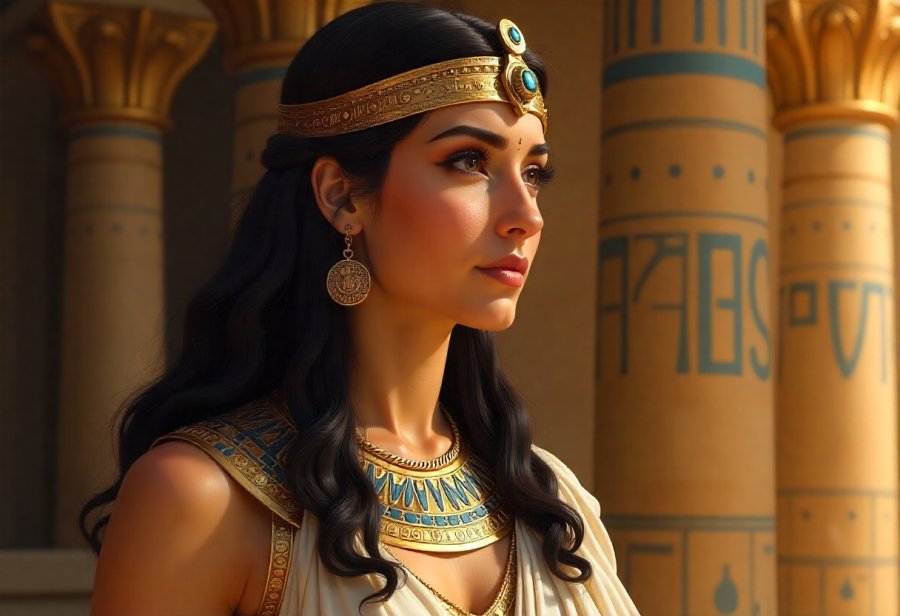
Unveiling Cleopatra VII: The Strategist Beyond the Stereotypes
Cleopatra VII is often remembered as a striking figure from ancient history, but her true legacy extends far beyond her appearance or the romantic stories that have been told about her. She was a highly intelligent and strategic leader who understood how to navigate the complex political landscape of her time. As the last active ruler of Egypt’s Ptolemaic dynasty, Cleopatra demonstrated remarkable diplomatic skill, scholarly curiosity, and resilience. Her reign was marked by her relentless efforts to keep Egypt independent amid the expanding influence of Rome, showcasing her sharp mind and leadership abilities.
Egypt in the first century BCE was a land rich in history but also fraught with instability. The Ptolemaic dynasty, founded by Ptolemy I after Alexander the Great’s conquest, had ruled for nearly three centuries. By Cleopatra’s era, the kingdom was fragile, often torn by internal family rivalries and external threats. Her rise to power involved fierce struggles and intricate alliances, demanding not only military prowess but also keen political instincts and diplomatic finesse. She inherited a kingdom at a crossroads, where survival hinged on her ability to craft strategic partnerships and outmaneuver her rivals.
Much of Cleopatra’s reputation has been overshadowed by her portrayal as a seductress. In reality, her influence was rooted in her intelligence, diplomatic acumen, and adaptability. She was a master diplomat, forging alliances with Julius Caesar and Mark Antony through careful negotiations and cultural diplomacy. Her education at Alexandria’s Library and fluency in multiple languages underscored her scholarly pursuits and intellectual depth. Her leadership was driven by strategic thinking, always making decisions based on analysis rather than personal emotion or impulse.
Beyond her political skill, Cleopatra was a scholar and a learned ruler. She combined her deep understanding of Egyptian traditions with Hellenistic knowledge, creating a leadership style that resonated across cultures. Her passion for learning was evident in her hours spent reading papyrus scrolls and engaging in philosophical debates. This intellectual curiosity empowered her to make informed decisions, foresee crises, and develop innovative solutions. Her education and scholarly pursuits distinguished her from many rulers of her era, especially women, and helped her maintain Egypt’s independence during turbulent times.
Cleopatra’s story continues to inspire because her leadership was rooted in knowledge, resilience, and strategic thinking. She navigated a world of shifting alliances and rivalries with wit and confidence, proving that true power rooted in the mind can be more enduring than force or charm alone. Her legacy reminds us that leadership combining intelligence, cultural insight, and adaptability is timeless—qualities that remain relevant today.
The Mind of Cleopatra: A Polyglot Scholar and Diplomatic Genius
Cleopatra’s intelligence was one of her most defining qualities, shaping her ability to lead and navigate the turbulent political landscape of her time. Fluent in Egyptian, Greek, Latin, and several other languages, she could communicate directly with a diverse array of allies and enemies alike. This linguistic mastery was more than an impressive skill; it was a strategic advantage that allowed her to build trust and convey subtle nuances during negotiations. Speaking in someone’s native tongue often meant the difference between alliance and mistrust, giving her an edge in diplomacy that many rivals lacked.
Her education was rooted in the vibrant intellectual environment of Alexandria, home to the legendary Library of Alexandria. Surrounded by scholars, philosophers, and scientists, Cleopatra absorbed a broad spectrum of knowledge—from mathematics and science to philosophy and literature. This exposure helped her develop a worldview that seamlessly blended Egyptian traditions with Hellenistic ideas, giving her a unique perspective on leadership and diplomacy. Her scholarly pursuits weren’t superficial; they were integral to her ability to analyze complex situations and craft innovative strategies.
Cleopatra’s curiosity extended well beyond basic learning. She was deeply involved in philosophical debates and scientific inquiries, often reading papyrus scrolls for hours and engaging with the leading thinkers of her era. Her love of knowledge was a conscious choice that empowered her to understand the wider world, anticipate her enemies’ moves, and adapt her tactics accordingly. This relentless pursuit of education kept her well-informed and resilient, enabling her to make decisions rooted in insight rather than impulse.
Her ability to synthesize ideas from different cultures gave her a diplomatic edge that was rare among her peers. Cleopatra understood that influence required more than military might; it depended on cultural diplomacy, mutual understanding, and effective communication. By blending Egyptian, Greek, and Hellenistic influences, she crafted a leadership style that resonated across diverse audiences and built bridges where others saw only division. Her fluency in multiple languages and her scholarly background allowed her to converse confidently with foreign dignitaries, often outmaneuvering rivals who relied solely on force or superficial charm.
Her intellectual foundation was central to her success in forging alliances with powerful figures like Julius Caesar and Mark Antony. She used her linguistic abilities and cultural knowledge to create bonds of trust that extended beyond personal relationships into strategic partnerships. Cleopatra’s leadership was driven by her capacity to analyze situations deeply, communicate effectively across cultures, and apply her knowledge in real time. Her mastery of education and diplomacy made her not just a ruler but a formidable strategist whose influence was rooted in her mind’s sharpness and resilience.
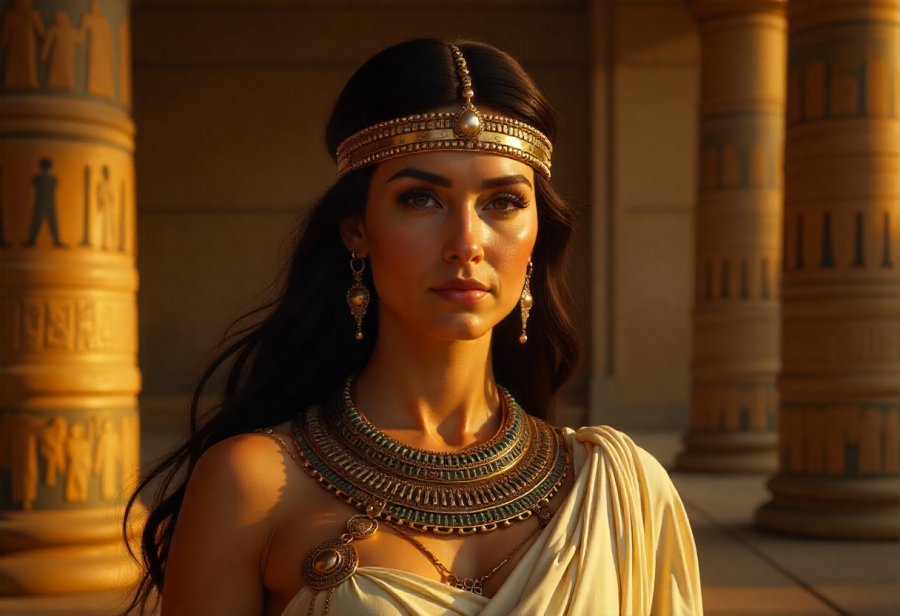
Challenging Myths: The Real Power Behind Cleopatra’s Legacy
Many stories about Cleopatra focus heavily on her beauty and charm, often depicting her as a seductress whose influence stemmed mainly from personal allure. Movies, art, and popular culture have long emphasized her romantic liaisons with Julius Caesar and Mark Antony, framing her legacy as a glamorous woman whose power was rooted in seduction. But this oversimplifies her true role in history. Her relationships with these powerful men were strategic moves within broader political ambitions, not just personal romances. Focusing solely on her charm ignores the complex realities she faced and the sharp intelligence she wielded.
This romanticized image can distort how we view her achievements. It reduces her to a symbol of beauty and passion, overshadowing her skills as a diplomat, strategist, and leader. Cleopatra’s influence was rooted in her diplomatic finesse, cultural insight, and political acumen. Her ability to craft alliances, negotiate treaties, and navigate shifting power dynamics was driven by her strategic mind—traits often overlooked when her image is reduced to superficial glamour.
Her scholarly pursuits and linguistic talents are often neglected in these narratives. Cleopatra was a learned ruler, fluent in multiple languages, including Egyptian, Greek, and Latin, which allowed her to communicate directly with diverse cultures and leaders. Her education at Alexandria’s famed Library was more than a mark of prestige; it was a foundation for her diplomatic effectiveness. Her intellectual depth enabled her to outmaneuver rivals and build relationships based on mutual understanding rather than superficial charm.
Hollywood’s portrayal frequently emphasizes her as a femme fatale, focusing on her beauty at the expense of her intellect. This skewed depiction can lead us to underestimate her true power—her ability to lead, think critically, and adapt. Recognizing this myth is crucial to appreciating her real legacy. Cleopatra’s strength lay in her mind, her resilience, and her capacity to influence through knowledge and diplomacy, not just her appearance.
Viewing Cleopatra as a complex figure reveals her as a master strategist who used her intelligence to maintain Egypt’s independence in a turbulent era. Her leadership was driven by a deep understanding of her world, her culture, and her enemies. She knew that influence came from cultural diplomacy, timing, and strategic alliances—tools she wielded with skill and confidence.
Reevaluating her image helps us see her in a more accurate light—an accomplished ruler who used her intellect as her greatest weapon. Her story challenges us to look beyond superficial stories and recognize the lasting impact of intelligence, resilience, and strategic thinking. Cleopatra’s true power was her mind, and understanding that is key to appreciating her enduring legacy.
Timeless Leadership: Applying Cleopatra’s Principles Today
Cleopatra’s leadership principles from ancient Egypt still resonate strongly today, offering valuable lessons for navigating our complex, interconnected world. Her talent for strategic thinking, relationship-building, and cultural diplomacy demonstrates timeless qualities that modern leaders can emulate. In an era where influence depends increasingly on understanding diverse perspectives and fostering genuine trust, Cleopatra’s approach underscores the importance of empathy and patience over coercion or superficial charm.
Her mastery of forming strategic alliances through effective diplomacy highlights the power of authentic connections. Today, this translates into cultivating collaborations based on mutual respect and shared goals, whether in politics, business, or community efforts. Leaders who prioritize building trust and leveraging diverse perspectives often succeed in creating resilient networks that withstand turbulence. Cleopatra’s example reminds us that influence rooted in cultural awareness and emotional intelligence is more enduring than reliance on authority alone.
Communication remains a cornerstone of her leadership style, especially her fluency in multiple languages and her deep understanding of different cultures. In today’s globalized landscape, effective cross-cultural dialogue is crucial. Active listening and respectful conversation can bridge divides and foster cooperation across borders and backgrounds. Cleopatra’s ability to communicate directly and confidently across cultures shows that influence built on genuine understanding and transparency is far more impactful than superficial gestures.
Her agility in adapting to shifting political landscapes also offers relevant lessons. Cleopatra’s quick adjustments and resilience enabled her to outmaneuver more powerful rivals, demonstrating that flexibility and openness to change are vital traits for contemporary leaders. Embracing innovation, reassessing strategies, and learning from setbacks without losing sight of larger objectives are qualities that can help navigate today’s rapid-paced environment.
Finally, her emphasis on continuous learning and cultural literacy underscores the importance of curiosity and intellectual agility. Leaders who expand their expertise across disciplines and cultures are better equipped to handle uncertainty and drive innovation. Cleopatra’s scholarly background and her strategic use of knowledge prove that investing in education and self-improvement is essential, not just historically but in shaping effective leadership for the future. Her timeless example encourages us to lead with wisdom, resilience, and integrity, regardless of the era.
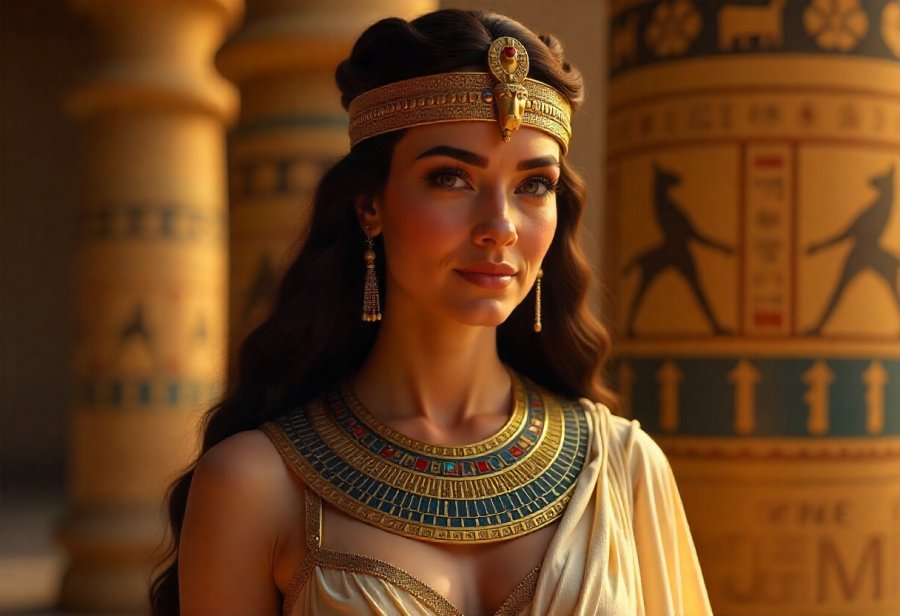
Legacy of the Mind: Reflecting on Cleopatra’s Enduring Intellectual Power
Cleopatra’s legacy reaches far beyond her reputation as a beautiful and charismatic figure. At her core, she was a master strategist, wielding her intelligence and diplomatic skill to shape her destiny in a turbulent world. Her ability to navigate complex political landscapes, forge strategic alliances, and make decisions rooted in knowledge and resilience distinguished her from many of her contemporaries. This mental acuity and strategic thinking allowed her to maintain Egypt’s independence amid the rising power of Rome, demonstrating that influence rooted in the mind can outlast force or superficial charm.
Her leadership was driven by a profound understanding of her environment. Cleopatra was not just a ruler but a scholar, linguist, and diplomat—using her education and cultural insight as her main tools for survival. Her relationships with Julius Caesar and Mark Antony were carefully crafted, strategic alliances aimed at securing Egypt’s future rather than mere personal passions. These moves exemplify her ability to leverage her knowledge and influence to achieve lasting political gains, reinforcing that her true strength was her intellect.
This story challenges the outdated view that leadership hinges solely on charisma or appearance. Cleopatra’s resilience, adaptability, and strategic foresight reveal the importance of wisdom and continuous learning. Her ability to synthesize Egyptian traditions with Hellenistic culture created a leadership style that resonated across diverse worlds. Her scholarly pursuits weren’t just personal pursuits—they were essential to her capacity to analyze threats, seize opportunities, and communicate effectively across cultures.
Revisiting her story today, her example remains remarkably relevant. Modern leaders face similar demands: the need for strategic foresight, cultural intelligence, and emotional resilience. Cleopatra’s emphasis on understanding people, timing, and trust underscores the power of influence built on genuine relationships rather than superficial charm. Her legacy reminds us that true authority comes from a well-informed mind, a capacity to adapt, and an unwavering commitment to learning.
Her influence was rooted in her ability to think critically and act thoughtfully. In a world that often values quick fixes and superficial impressions, Cleopatra’s example encourages us to value depth, resilience, and knowledge. Her leadership demonstrates that the most enduring impact comes from those who prioritize wisdom over surface-level appeal, and who understand that influence is a function of intellect as much as emotion.
Cleopatra’s story is a testament to the power of the mind in shaping history. Her legacy challenges us to see leadership as a pursuit of knowledge, cultural understanding, and strategic resilience. Her life proves that influence rooted in intelligence and integrity leaves a lasting imprint far beyond the fleeting allure of beauty or charm. Her example inspires us to lead with wisdom, to value continuous learning, and to recognize that true power comes from the mind’s capacity to think, adapt, and endure.