




Imagine transforming Toronto yards into personal sanctuaries that beautifully balance aesthetic appeal, functionality, and environmental responsibility. How can homeowners craft outdoor retreats that thrive across seasons, support local ecosystems, and reflect their unique lifestyles? This approach goes beyond planting shrubs—it’s about thoughtful design, native plant choices, eco-conscious materials, and sustainable practices that ensure long-term resilience. From cozy urban gardens to expansive family spaces, the future of landscape design embraces innovative technology and modular elements, allowing homeowners to adapt and personalize their retreats. As Toronto faces climate extremes, the emphasis on native, drought-tolerant plants and natural stormwater management becomes crucial. But how do these strategies translate into real-world transformations? The answer lies in meticulous planning, ongoing care, and a harmonious blend of beauty and responsibility, turning ordinary yards into vibrant, eco-friendly havens that promise enjoyment and sustainability for years to come.
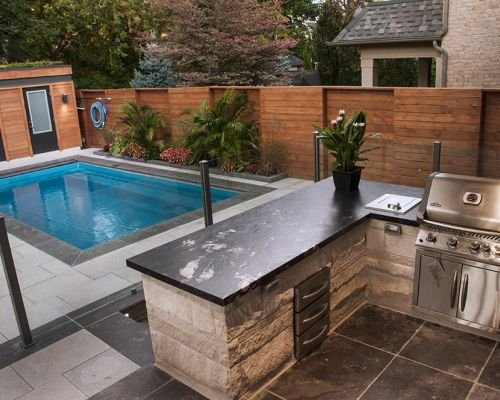
Transforming Toronto Yards into Personal Sanctuaries of Beauty and Sustainability
Transforming Toronto yards into beautiful, sustainable outdoor retreats goes beyond just adding plants and decorative elements; it’s about crafting personal spaces that enhance daily life while respecting our environment. As the city becomes busier and more crowded, homeowners increasingly seek to carve out a bit of nature and tranquility right outside their back doors. These outdoor retreats serve as private sanctuaries—ideal spots for relaxing evenings, family gatherings, or quiet reflection amid the urban rush.
The challenge lies in balancing aesthetics with practicality and eco-friendliness. Thoughtful design ensures that every feature—native plants, eco-conscious hardscaping, and water-efficient systems—works harmoniously to create a cohesive, inviting environment. Since Toronto experiences four distinct seasons, selecting resilient plants and durable materials is crucial. Native species, well-adapted to local conditions, require less water, fewer chemicals, and minimal maintenance, making landscapes more sustainable and easier to care for over time.
Creating these outdoor spaces isn’t just about visual appeal; it’s about designing areas that support a homeowner’s lifestyle. Whether it’s a low-maintenance garden, an entertaining zone, or a family-friendly yard, every element should serve a purpose. Well-placed pathways, cozy seating areas, and focal points guide visitors naturally through the space, making it feel effortless and welcoming. The goal is a yard that feels like a natural extension of the home—beautiful, functional, and seasonally versatile.
Toronto’s diverse population influences the style and intent behind these transformations. Some homeowners favor sleek, modern designs, while others prefer lush, Mediterranean-inspired gardens. The process begins by understanding each client’s vision, then translating it into a tailored plan that aligns with local climate considerations and sustainability principles. This personalized approach ensures the final result reflects the owner’s personality and enhances their outdoor living experience.
Sustainable practices are at the core of successful landscape projects. Incorporating native plants and eco-friendly materials reduces environmental impact and boosts landscape resilience. Features like rain gardens, permeable paving, and native shrubbery help manage stormwater naturally and support local ecosystems. These strategies not only lower maintenance costs but also ensure the landscape remains vibrant and healthy through Toronto’s changing weather patterns.
Building a successful outdoor retreat involves careful planning and ongoing care. Regular maintenance, adaptive design, and eco-friendly choices—such as drought-tolerant native plants—help landscapes thrive year after year. Thoughtful design, combined with sustainable practices, transforms ordinary yards into vibrant, resilient sanctuaries that reflect their owners’ lifestyles and respect the environment. Ultimately, these outdoor spaces become more than just beautiful sights—they become personal havens for relaxation, connection, and enjoyment in the city.
Core Principles Guiding Toronto’s Landscape Success
Successful yard transformations in Toronto hinge on a few core principles that bring together beauty, practicality, and sustainability. The first step is understanding the unique characteristics of each site—soil quality, sunlight, drainage, and existing vegetation all influence what will thrive. Recognizing these factors early helps inform plant choices and material selections that are naturally suited to the environment, reducing maintenance needs and environmental impact over time.
Creating harmony within the landscape is equally essential. Every element—paths, plantings, water features, and hardscapes—must work together to produce a cohesive and inviting space. Proper placement and proportion are key; a well-balanced yard guides visitors smoothly and feels like a seamless extension of the home. Thoughtful design encourages exploration and creates visual flow, making the space more engaging and comfortable.
Environmental responsibility is at the heart of good landscape design. Prioritizing native plants that are adapted to Toronto’s climate minimizes water use, chemical treatments, and upkeep. Incorporating eco-friendly materials like recycled pavers or sustainably sourced wood further reduces the landscape’s ecological footprint. Features such as rain gardens and permeable surfaces help manage stormwater naturally, supporting local ecosystems while protecting against runoff.
Balancing aesthetics with functionality ensures your yard isn’t just beautiful but also meets your everyday needs. Whether designing for low maintenance, family fun, or outdoor entertaining, strategic placement of seating, pathways, and focal points makes the space both practical and visually appealing. Layering different elements adds depth and interest without sacrificing usability, creating a landscape that feels both natural and thoughtfully curated.
Listening to client preferences shapes every aspect of the design process. Understanding their lifestyle, aesthetic tastes, and routines allows for personalized solutions that truly resonate. Visual tools like sketches or mood boards help clarify ideas early on, making sure everyone is aligned. Open communication throughout the project fosters trust and ensures the final result feels like a true reflection of the owner’s personality.
Sustainability is integrated into every decision, from selecting native plants to choosing eco-conscious materials. Designing landscapes that withstand Toronto’s seasonal extremes ensures long-term beauty and resilience. Climate-aware strategies, like drought-tolerant plants and natural stormwater management, support a healthy environment and reduce ongoing maintenance. These practices make landscapes more durable and more sustainable over the years.
By combining these core principles—site awareness, harmony, responsibility, functionality, client input, and resilience—landscape designers create yards that are both stunning and sustainable. This thoughtful approach transforms ordinary outdoor spaces into personal retreats that enhance daily life while respecting the environment. The result is a balanced, beautiful yard that can flourish through every season and support a vibrant, eco-friendly lifestyle.
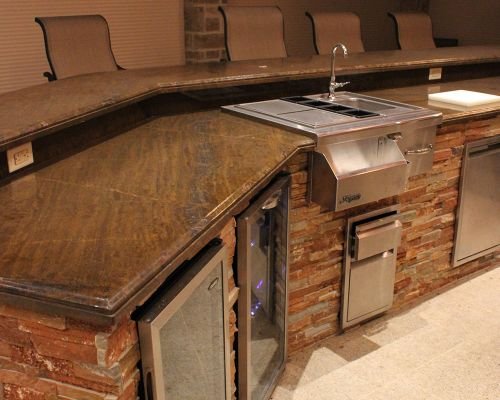
Seamless Steps for Implementing Dream Outdoor Designs
Implementing a landscape design in Toronto starts with a clear and organized approach that guides the project smoothly from concept to completion. It all begins with an initial consultation, where the landscape professional listens carefully to the homeowner’s vision, lifestyle needs, and specific ideas or concerns. During this meeting, they assess the site’s conditions—soil quality, sunlight, drainage, and existing features—to create a solid foundation for the project. This step ensures that every subsequent decision aligns with the land’s natural characteristics and the homeowner’s goals.
Once the project’s goals are understood, the designer develops detailed plans that bring the vision to life. These include sketches, mood boards, or digital renderings that help homeowners visualize the transformation. Emphasizing native plants and eco-friendly materials from the start ensures sustainability is woven into the design. After the homeowner approves the plan, the project moves into the installation phase, which requires careful scheduling and coordination among contractors and suppliers.
Breaking down the installation into stages—hardscaping, planting, and feature setup—keeps the process manageable and efficient. Clear timelines and responsibilities help prevent delays and keep everyone on the same page. Regular communication between the design team and homeowner remains essential, with frequent updates and site visits to address issues early, avoiding surprises that could compromise quality. This collaborative approach ensures the project stays true to the original vision.
During installation, quality control is key. Careful oversight guarantees that materials are installed correctly, plants are positioned thoughtfully, and everything aligns with the approved plan. When each element is executed with precision, the final outcome feels natural and cohesive, reflecting the homeowner’s desires. Attention to detail during this phase transforms the design into a polished, functional outdoor space.
Sustainability doesn’t end with plant choices. Incorporating eco-conscious materials like recycled pavers, sustainably sourced wood, and natural stormwater management features supports the environment and reduces long-term maintenance. Features such as rain gardens and permeable paving help manage runoff naturally, protecting local ecosystems while adding beauty and functionality.
Client involvement throughout each stage builds trust and ensures satisfaction. Regular check-ins, visual updates, and opportunities for feedback make the process transparent and enjoyable. This ongoing dialogue allows for adjustments along the way, ensuring the finished yard truly reflects the owner’s personality and needs.
A well-managed implementation combines strategic planning with flexible execution. When every step is handled thoughtfully, the result is a landscape that feels seamless, durable, and personalized. The process turns a simple concept into a beautiful, sustainable outdoor retreat—an extension of the home ready to be enjoyed for years to come.
Real-World Transformations: Inspiring Toronto Yard Makeovers
Toronto’s landscape is filled with inspiring examples that showcase how thoughtful design can truly transform a yard into a personal retreat. One standout project turned a small, shaded backyard into a cozy, eco-friendly haven. The designers focused on native plants that thrived in Toronto’s climate, adding a fire pit and subtle lighting to create an inviting atmosphere. This transformation proved that even modest spaces can become stunning retreats when approached with care and purpose.
Another notable project highlighted sustainability at its core. Recycled materials were used for hardscaping, while rain gardens and native shrubs defined different zones for dining, lounging, and play. Balancing functionality with beauty, the landscape supported local ecosystems and provided year-round enjoyment. The careful selection of eco-friendly features ensured minimal environmental impact while enhancing the yard’s durability and charm.
A narrower Toronto backyard was turned into a lush oasis through strategic planting. Native, drought-tolerant plants suited for Toronto’s seasonal extremes kept the space vibrant with minimal maintenance. A small rain garden helped manage runoff naturally, while cozy seating and ambient lighting created a peaceful escape. This example demonstrates that even limited space can become a beautiful, functional outdoor refuge with thoughtful planning.
Homeowners have found that regular upkeep, like mulching and watering native plants, keeps their landscapes healthy and lively. Simple features such as fire pits and low-voltage lighting extend usability into cooler months and set a welcoming mood. Some even incorporate composting systems, supporting ongoing plant health and showcasing how small, consistent efforts sustain a sustainable and attractive yard over time.
One particularly impactful transformation converted a basic backyard into a vibrant, family-friendly space. The design included zones for entertaining, gardening, and relaxing, all using durable, eco-friendly materials. Native plants and rainwater collection systems not only supported the environment but also made maintenance easier. These projects prove that blending sustainable practices with clever design creates outdoor retreats that are lively, resilient, and deeply integrated into daily life.
Each of these examples underscores the power of intentional design. They show that with a focus on native plants, eco-conscious materials, and thoughtful layout, Toronto yards can become vibrant, sustainable sanctuaries. These spaces don’t just look good—they function well and adapt to changing needs, offering lasting value and enjoyment.
The common thread across these transformations is a balance between beauty and responsibility. Thoughtful plant choices, innovative features, and sustainable materials come together to create outdoor spaces that are both visually stunning and environmentally sound. Whether a small backyard or a larger property, the key lies in aligning design with the local climate and the homeowner’s lifestyle, ensuring each yard remains a personal retreat for years to come.
These real-world examples highlight that a well-executed landscape isn’t just about aesthetics; it’s about creating a space that supports the environment, enhances daily living, and reflects personal taste. The yards in Toronto that stand out most are those where design and sustainability go hand in hand, proving that beautiful, eco-friendly outdoor retreats are not only possible but also rewarding.
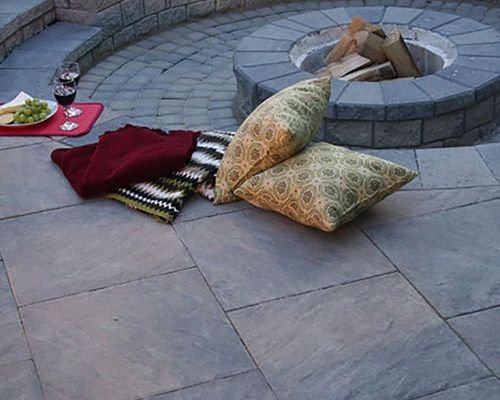
Future Visions: Innovations Shaping Toronto’s Outdoor Spaces
The future of landscape design in Toronto is increasingly shaped by innovative technology and a growing focus on sustainability. Automated irrigation systems, weather-responsive lighting, and smart sensors are becoming more accessible, making yard maintenance easier and more efficient. These tools help optimize water use and energy consumption, ensuring landscapes stay vibrant while reducing environmental impact. As Toronto pushes toward greener urban spaces, integrating these smart solutions will be standard practice, enhancing both convenience and ecological health.
Eco-conscious materials are gaining prominence in landscape projects. Recycled pavers, biodegradable mulches, sustainably sourced wood, and other sustainable options not only minimize the carbon footprint but also add durability and style. Designers are choosing materials that support long-term use and require less upkeep, aligning with broader efforts to reduce resource consumption and promote responsible landscaping. This shift ensures outdoor spaces remain beautiful, functional, and environmentally responsible over time.
Flexibility and modularity are becoming key features in upcoming designs. Reconfigurable seating, movable planters, and multi-use zones allow homeowners to adapt their outdoor areas as needs evolve. This approach encourages personalization and future-proofing, making yards more versatile and relevant for changing lifestyles or trends. A landscape that can evolve with its owner offers lasting value and continuous enjoyment.
Climate resilience is more critical than ever, prompting designers to prioritize native plants capable of withstanding Toronto’s seasonal extremes. Drought-tolerant, low-maintenance species are becoming the norm, supporting water conservation and reducing chemical use. These resilient plantings help maintain landscape vitality despite shifting weather patterns, ensuring outdoor retreats remain lush and sustainable year-round.
Technological advancements are also transforming the planning process. Drone mapping, virtual reality previews, and real-time weather sensors streamline design and installation, allowing clients to visualize changes before they happen and respond swiftly to issues. These tools reduce errors, improve precision, and foster a deeper engagement with the project, resulting in outdoor spaces that are both beautiful and resilient.
Design trends are moving toward more personalized, eco-friendly environments that reflect individual lifestyles while supporting ecological health. Energy-efficient water features, native plant gardens, and natural stormwater management systems will become standard components, creating holistic outdoor retreats. The focus shifts from mere aesthetics to spaces that promote well-being, sustainability, and harmony with the environment.
Ultimately, Toronto’s outdoor spaces will blend innovative technology, sustainable practices, and personal expression. These evolving ideas will turn ordinary yards into vibrant, adaptable retreats that support a healthy lifestyle and a resilient ecosystem. As the city continues to grow greener, landscape design will play a vital role in shaping outdoor environments that are as functional as they are inspiring, ensuring Toronto’s outdoor spaces remain a source of beauty and sustainability for generations to come.