


Learning to ride a bike is more than a childhood milestone; it embodies courage, independence, and the strength of family bonds. But does the fear of falling outweigh the thrill of freedom? This heartfelt journey explores how families support children through wobbles, falls, and triumphant rides, transforming a simple skill into a symbol of resilience and confidence. It delves into modern perspectives that emphasize safety, community infrastructure, and cultural significance while acknowledging debates about risk and best teaching practices. Practical strategies highlight patience, safety measures, and celebration of small victories, fostering a love for cycling that extends beyond childhood. Ultimately, these early experiences build a foundation of perseverance and self-trust, promising a lifelong adventure of exploration and growth. As children pedal forward, they learn that with support and persistence, fears can become stepping stones toward a confident, independent future—raising a compelling question: is the journey of learning to ride really about the bike, or about discovering what they’re capable of?
Milestones of Courage and Family Bonds: The Emotional Journey of Learning to Ride
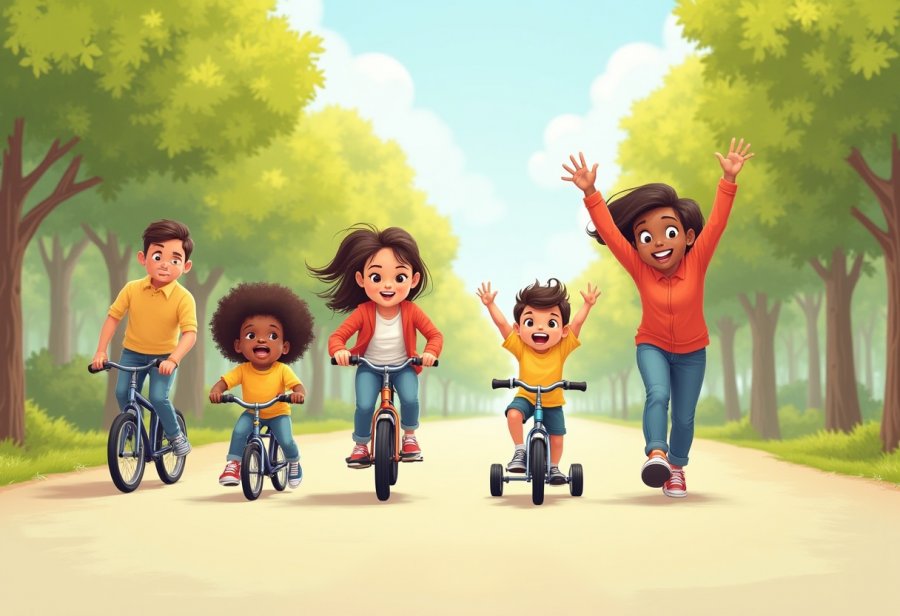
Learning to ride a bike isn’t just about mastering a new skill; it’s a milestone filled with emotional depth and family significance. For many, it marks a first step toward independence, confidence, and self-discovery. Watching a child wobble on two wheels, then gradually glide forward, becomes a moment of pride for parents and caregivers alike. These small victories are woven into family stories, creating memories rooted in patience, support, and shared effort.
This rite of passage often sparks a mix of excitement and nervousness. Parents feel both proud and anxious, aware of the falls and scrapes that might come with learning. Still, these moments teach resilience and perseverance. The support from loved ones—whether through gentle guiding hands or encouraging cheers—turns a daunting challenge into a rewarding experience. The bike becomes a symbol of trust and growth, helping children realize they are capable of overcoming obstacles.
Beyond the physical act, learning to ride a bike symbolizes much more. It represents the journey from dependence to independence, a tangible sign that a child can face challenges head-on. As they develop balance, coordination, and control, they start to see themselves as brave and capable. These early successes build a foundation of confidence that extends beyond cycling, shaping their attitude toward future challenges.
Family bonding plays a crucial role in this process. The shared effort, patience, and celebration of progress deepen connections and foster a sense of teamwork. Every wobble, fall, and triumphant ride becomes a story of resilience and trust. These moments remind us that growth is a journey best taken together, with love and encouragement fueling each step.
The significance of learning to ride also lies in its universal appeal. Across cultures and generations, this milestone symbolizes freedom, exploration, and joy. It’s a moment that bridges childhood innocence with a sense of adventure, inspiring children to push their limits and embrace new experiences. The act of riding a bike becomes a shared language of courage and independence, rooted in family support and personal achievement.
Ultimately, learning to ride a bike captures the essence of childhood growth. It’s about more than just pedaling; it’s about building confidence, resilience, and lifelong memories. With each wobble and every successful ride, children learn that perseverance, patience, and support from loved ones can turn fears into triumphs. These lessons stay with them long after they’ve outgrown training wheels, shaping their journey toward a confident, independent future.
Riding as a Universal Symbol of Growth, Independence, and Joy
Learning to ride a bike holds a special place in our personal stories and cultural narratives alike. For children, it often marks a significant step toward independence, a moment when they start to see themselves as capable explorers of the world around them. The simple act of balancing on two wheels embodies growth, confidence, and a sense of adventure that resonates across generations and cultures. From bustling neighborhoods to quiet countryside trails, riding becomes more than just a skill—it’s a symbol of freedom and self-discovery.
Historically, bicycles transformed childhood experiences from confined indoor play to outdoor exploration. They opened doors to new adventures, allowing kids to race through neighborhoods, venture into nature, and develop a sense of autonomy. This shift fostered family traditions rooted in shared journeys, where parents and children bonded over scenic rides and simple outings. Over time, cycling became woven into the fabric of cultural identity, embodying notions of independence, resilience, and joy.
Culturally, the act of riding a bike captures a universal feeling of liberation. Whether it’s the wind in your face, the thrill of speed, or the pride of self-propulsion, biking symbolizes a break from everyday worries. Stories, movies, and songs often highlight these moments of joy, reinforcing that learning to ride is more than a technical milestone—it’s an emotional one. It invites children to step into a larger world, instilling a sense of courage that stays with them well beyond childhood.
Mastering the fundamentals—balance, coordination, and control—goes beyond physical skills. These develop confidence and resilience, teaching kids that persistence pays off. Creating safe spaces for practice and celebrating small victories reinforce that setbacks are part of growth. Building trust in their abilities, children learn that falling isn’t failure but a stepping stone toward success, shaping their attitude toward future challenges.
Further context can be found on Wacky Blog in Malcolm Jones‘s article Fear of falling or passion for freedom—what truly fuels a child's ride?.
The milestones in learning to ride—such as the first solo ride or shedding training wheels—are more than technical achievements. They mark a transition from dependence to independence, filling families with pride and joy. These moments remind children that perseverance, support, and patience turn initial fears into confidence. They foster a mindset that resilience and effort can turn obstacles into opportunities for growth, lessons that extend into all areas of life.
In essence, learning to ride a bike is about more than pedaling—it’s about embracing growth, independence, and the joy of discovery. The experience creates lasting memories, strengthens family bonds, and encourages a lifelong love of exploration. As children gain confidence on two wheels, they learn that with support and persistence, they can navigate the world’s challenges and enjoy the freedom that comes with each new ride.
Modern Perspectives: How Society Shapes Our Approach to Teaching Kids to Ride
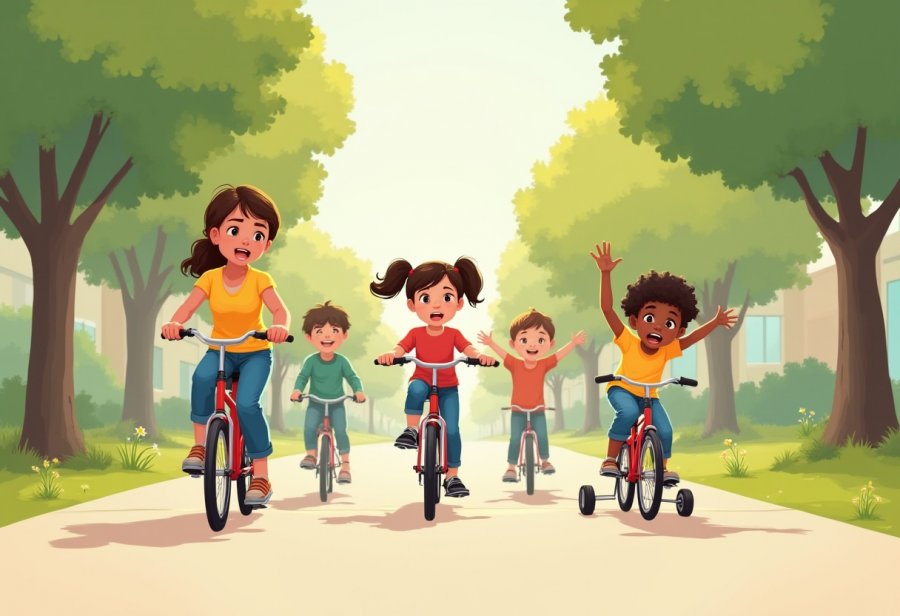
Today, attitudes toward teaching kids to ride bikes are shifting alongside societal changes and technological advances. Many parents and educators now see cycling as more than just a childhood pastime; it’s a vital skill that promotes health, independence, and environmental consciousness. Safety is a top priority, with protective gear and designated safe spaces becoming standard parts of the learning process. At the same time, the cultural image of biking as a symbol of adventure and self-reliance continues to inspire families to get on their bikes and explore together.
However, these evolving perspectives have sparked some debate. While some parents worry about safety risks and prefer to keep their children close, others believe controlled risks help build resilience. The rise of balance bikes and training wheels has introduced new methods for teaching balance and coordination, prompting discussions about the most effective approaches. Critics argue that relying heavily on gadgets might delay developing core skills, but most agree that the best strategy is tailoring the process to each child’s comfort and personality.
Community infrastructure plays a crucial role in shaping current attitudes toward cycling. Cities investing in bike-friendly roads, dedicated lanes, and safety education programs make riding less intimidating and more accessible. These initiatives encourage families to include cycling in their routines and foster a culture where biking is both fun and practical. As local support grows, so does the perception that cycling isn’t just a childhood milestone but a lifelong activity that promotes health, independence, and environmental awareness.
Mama Bear Wisdom features a related article by Evan White titled Embrace the Journey of Learning to Ride and Grow.
Media and popular culture continue to reinforce the idea that riding a bike symbolizes childhood freedom and achievement. Films, advertisements, and stories often depict kids pedaling with wide smiles, capturing that exhilarating feeling of independence. These portrayals motivate children to learn and help parents see cycling as a positive, joyful activity rather than a risky endeavor. By emphasizing the fun and benefits of riding, the cultural narrative balances safety concerns with inspiration.
Regional differences also influence how children are introduced to cycling. In countries like the Netherlands and Denmark, early cycling is normalized, supported by infrastructure and cultural norms that promote biking from a young age. Conversely, areas with limited infrastructure or safety concerns often see delayed lessons or reliance on adult supervision. Despite these differences, the core idea remains: learning to ride reflects growth, independence, and confidence, shaped by community values and support systems.
As societal attitudes continue to evolve, the focus remains on creating positive, safe experiences that encourage lifelong cycling habits. Infrastructure improvements, safety practices, and cultural shifts all contribute to making cycling accessible and appealing for children and families. This ongoing transformation not only promotes physical activity and environmental consciousness but also reinforces that learning to ride is about more than just balance—it’s about fostering resilience, independence, and a sense of adventure that can last a lifetime.
Practical Strategies: Empowering Parents to Foster Confidence and Safety in Bike Learning
Getting started with teaching a child to ride a bike means establishing a strong, supportive foundation that makes the process both enjoyable and safe. Choose a bike that fits their size—lightweight, with a sturdy frame—to boost confidence from the outset. Practice in flat, open spaces like driveways or parks where they can focus on learning without the distraction of obstacles or traffic. Familiarize your child with the bike by letting them sit on it, hold the handlebars, and feel how it moves. This initial comfort sets the stage for more confident riding.
Balancing is the core skill that underpins safe cycling. Encourage your child to walk the bike or sit on a balance bike to develop stability. Once they’re comfortable balancing, introduce pedaling gradually, breaking the process into small, manageable steps. This approach keeps frustration at bay and helps them build confidence steadily. Using training wheels can be helpful for very young or nervous riders, but many experts recommend transitioning away from them early to foster better balance and steering skills.
Safety gear should be non-negotiable from the very first ride. A properly fitted helmet, along with knee and elbow pads, protects against falls and normalizes safety as part of the riding experience. When children see safety equipment as an integral part of cycling, they become more relaxed and more likely to develop good habits. Making safety routine encourages them to view protective gear as a positive part of their adventure rather than an obstacle.
Patience is key throughout this process. Every child learns at their own pace, and rushing can lead to fear or frustration. Keep practice sessions short, positive, and focused on small successes—like staying upright a little longer or pedaling a few strokes without wobbling. Celebrate these achievements to reinforce their sense of progress. Creating a supportive environment where setbacks are viewed as part of learning fosters resilience and a love for riding.
As they gain confidence, gradually remove training wheels or raise them to encourage better balance and steering. Celebrate each milestone, whether it’s riding independently for the first time or simply enjoying a longer ride. Make each practice session fun and encouraging, emphasizing the joy of the ride over perfection. This approach helps children associate cycling with adventure and achievement, not fear or failure.
The Transformative Power of Learning to Ride a Bike offers a complementary viewpoint from Ophelia Murphy on Big News Great Britain.
Incorporate safety checks into your routine. Teach your child how to inspect their bike for loose parts, proper tire pressure, and functioning brakes. This not only keeps them safe but also instills responsibility and independence. Encourage them to be aware of their surroundings while riding, emphasizing the importance of looking ahead and signaling intentions. These habits reinforce a sense of control and safety on every ride.
Finally, turn every ride into a family celebration. Whether it’s a quick trip around the block or a longer excursion, praise their efforts and enjoy the shared experience. These moments of joy reinforce their motivation and help cement cycling as a positive, lifelong activity. With patience, support, and a focus on fun, you’ll help your child develop skills that last a lifetime and foster a genuine love for riding.
Celebrating Progress: Building Confidence and Future Adventures Through Family Support
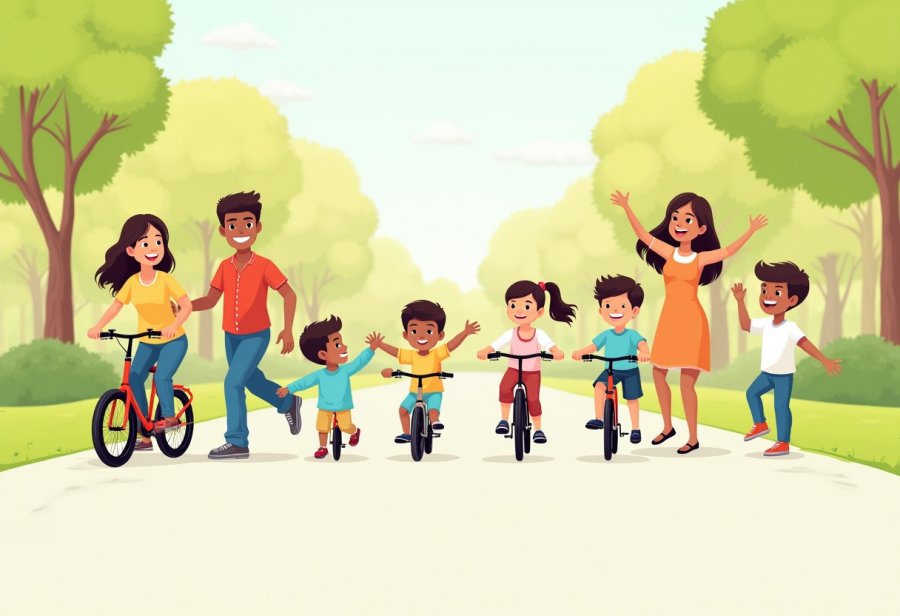
Learning to ride a bike is more than just a childhood milestone; it’s a powerful symbol of growth, courage, and the strength of family support. As children take their first solo rides, they gain confidence that reaches into other areas of their lives, shaping their sense of independence and resilience. These moments become treasured family stories, filled with pride and joy, strengthening bonds that grow deeper with every achievement.
Each wobble, fall, and triumphant pedal stroke teaches valuable lessons about perseverance. When families focus on progress rather than perfection, children learn that persistence pays off and that setbacks are simply part of the journey. Supporting them through these challenges helps build a resilient mindset—one that will serve them well far beyond the bike. Encouragement and patience turn every stumble into an opportunity for growth and confidence.
Encouraging a love for cycling can open doors to new adventures and experiences. Confident young riders might explore different terrains, join community rides, or enjoy the freedom of cycling with friends. These activities nurture independence, social skills, and outdoor enthusiasm, turning a childhood skill into a lifelong habit. The lessons learned during those early rides—trust, balance, and persistence—become the foundation for future challenges and opportunities.
Families play a vital role in fostering a positive cycling culture. Regular rides, outdoor explorations, and even commuting together help make biking a natural part of everyday life. These shared experiences deepen the sense of achievement and create lasting memories rooted in support and adventure. When cycling becomes a family routine, it reinforces the idea that growth is a continuous journey best traveled together.
Every child’s learning process is unique, and that diversity is part of what makes the experience special. Some may master riding quickly, while others need more time and encouragement. The key lies in maintaining patience and celebrating every small step forward. By emphasizing joy and effort over perfection, families help children develop a positive attitude towards challenges, fostering resilience that will benefit them throughout life.
Looking ahead, the skills and confidence built during these early rides can lead to a lifetime of exploration and independence. Whether riding through neighborhoods, exploring parks, or venturing into new landscapes, children learn to navigate the world with a sense of adventure. These experiences promote physical health, environmental awareness, and self-reliance—values that grow stronger with every mile traveled.
Supporting children in their cycling journey isn’t just about teaching them to balance on two wheels; it’s about nurturing their ability to face obstacles with courage and enthusiasm. When families celebrate every effort, they reinforce that perseverance and support turn fears into confidence. These lessons become lifelong tools, inspiring children to approach future challenges with resilience and a sense of possibility.
In the end, learning to ride a bike is a shared adventure that leaves a lasting imprint on a child’s confidence and independence. It’s a chapter filled with laughter, patience, and support—a foundation for future growth. As children pedal forward, they carry the encouragement of their families, knowing that every wobble and every ride is a step toward a more confident, resilient self.