




Are winter tires truly the key to safer icy drives, or is their reputation exaggerated? This in-depth exploration reveals that dedicated winter tires dramatically improve vehicle grip and control when the roads are icy and snow-covered. Their specialized rubber compounds stay flexible in freezing temperatures, enabling better contact with slippery surfaces, while their unique tread patterns channel snow and slush away for enhanced traction. Studies consistently show that vehicles equipped with winter tires stop up to 30% faster on slick surfaces, significantly reducing accidents. Countries like Sweden and Canada demonstrate that widespread use of these tires correlates with fewer winter crashes, underscoring their effectiveness. But are all winter tires created equal? How early should you switch? The evidence points to one clear truth: proactive investment in quality winter tires, combined with cautious driving, transforms winter roads from unpredictable hazards into safer journeys. Do you have the right tires for the icy months ahead?

Discover Why Winter Tires Are Your Best Defense on Icy Roads
Winter tires are essential tools for safe driving when roads turn icy and snowy. As temperatures dip below freezing, regular tires become stiff and lose their grip, making it harder to control your vehicle. In contrast, winter tires are specially designed to perform in cold conditions, providing better traction and stability. Their unique rubber compounds stay softer and more flexible in low temperatures, allowing the tires to mold more effectively to icy surfaces. This flexibility significantly reduces the risk of slipping and skidding.
The tread patterns of winter tires also play a crucial role. Deeper grooves and numerous sipes—tiny cuts in the rubber—help channel snow, slush, and water away from the contact patch. These features improve grip and prevent hydroplaning, giving drivers more control during acceleration, braking, and sharp turns. Unlike all-season tires, which are designed to handle a variety of weather conditions, winter tires are built specifically to excel in icy and snowy environments.
Choosing the right winter tires can make a noticeable difference in safety. They are more than just a seasonal upgrade; they are a dedicated safety feature. Properly fitted winter tires can shorten stopping distances by up to 30%, which can be critical in emergencies. They also help maintain better steering response and vehicle stability on slick roads, reducing the chances of accidents caused by loss of control.
The development of winter tires has advanced with innovations like nano-engineered compounds and specialized tread designs. These improvements enhance their flexibility and grip, making them even more effective in severe winter conditions. Modern winter tires are sophisticated safety tools, designed not just to get you through winter but to actively prevent accidents.
In many regions, winter tires are more than a recommendation—they are a necessity. Countries like Sweden and Canada see fewer winter-related accidents when drivers use dedicated winter tires. These statistics highlight how choosing the right tires can make winter driving safer for everyone. It’s a simple step that offers peace of mind and a safer journey through the cold months.
Switching to winter tires isn’t just about safety; it’s about proactive preparation. Installing them before the first snowfall ensures your vehicle is ready for icy patches and snow-covered streets. Regular checks of tire pressure and tread depth optimize their performance, keeping you safer as temperatures fluctuate. For those in particularly icy areas, studded tires can provide extra grip, but it’s important to follow local regulations.
Ultimately, winter tires are a smart investment in safety. They transform your vehicle’s handling in cold weather, making winter driving less stressful and more predictable. With the right tires, you’ll feel more confident navigating icy roads, knowing you have the best possible grip and control. Preparing early and choosing quality winter tires can turn challenging winter roads into safer, more manageable journeys.
Uncover What Makes Winter Tires a Safer Choice Than All-Season Alternatives
When winter weather hits, the type of tires on your vehicle becomes a critical safety factor. Winter tires, often called snow tires, are designed specifically to handle cold, icy, and snowy conditions better than all-season or regular tires. Their primary advantage lies in the materials used—specialized rubber compounds that stay softer and more flexible in freezing temperatures. This flexibility allows the tires to mold more effectively to icy and uneven surfaces, providing increased traction and reducing the risk of slipping.
The tread pattern of winter tires is also tailored for winter conditions. Deeper grooves and numerous sipes—tiny cuts in the rubber—help channel snow, slush, and water away from the contact patch. This design not only improves grip but also minimizes hydroplaning, giving drivers better control during acceleration, braking, and sharp turns. Unlike all-season tires, which attempt to balance a variety of weather conditions, winter tires focus solely on optimizing performance in cold, icy environments.
Not all winter tires are identical. Some are studless, relying entirely on their tread design and rubber composition to grip icy surfaces. Others are studded, with metal spikes that penetrate ice for extra traction. The choice depends on your local conditions and regulations, but both types are engineered to outperform standard tires in winter. Modern winter tires incorporate advanced materials like silica and nano-engineered compounds that further enhance flexibility and grip, making them highly effective even in severe weather.
Understanding these differences clarifies why winter tires significantly improve safety. Their ability to maintain better contact with icy roads translates into shorter stopping distances, improved steering response, and greater overall vehicle stability. When roads are slick and unpredictable, this improved grip can prevent accidents caused by skidding or loss of control. It’s a simple upgrade that offers peace of mind and a safer driving experience during winter’s toughest conditions.
Choosing the right winter tires involves more than just switching from regular tires. Proper installation, maintaining adequate tread depth, and regularly checking tire pressure are essential to maximize their benefits. For icy conditions, studded tires can provide additional confidence, but be sure to follow local laws regarding their use. Regular maintenance ensures your winter tires perform at their best throughout the season, helping you stay safe on icy and snow-covered roads.
In essence, winter tires are a dedicated safety tool built for cold weather. They are not just an optional upgrade but a practical necessity in many regions. Their specialized design helps you navigate winter roads more confidently, whether you’re facing a light dusting of snow or a sheet of ice. By understanding what makes these tires different and choosing them wisely, drivers can significantly improve their safety and control when it matters most.
See How Evidence Proves Winter Tires Significantly Improve Driving Safety
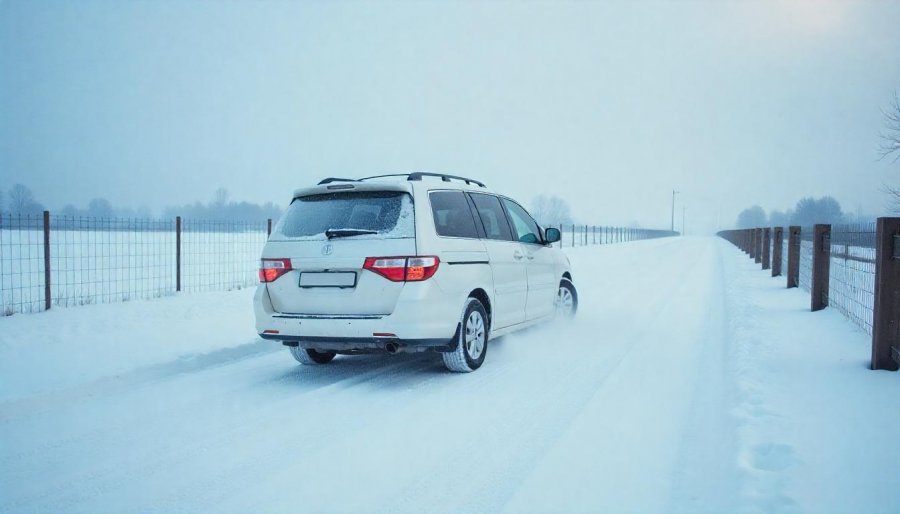
Many studies and real-world tests clearly show that winter tires significantly enhance safety during icy and snowy conditions. Vehicles equipped with dedicated winter tires can stop up to 30% faster on slick surfaces compared to those with all-season or regular tires. That reduction in stopping distance isn’t just a statistic—it can be the difference between avoiding a collision and facing a costly accident. When drivers switch early to winter tires, they often report feeling more confident and in control, especially when sudden stops or sharp turns are needed.
Data from countries with strict winter tire regulations, such as Sweden and Canada, support these findings. These regions see fewer accidents related to skidding or losing control during winter months when drivers use dedicated winter tires. The evidence suggests that winter tires don’t just promise better grip—they actively deliver measurable safety benefits. Their ability to maintain traction in low temperatures translates directly into fewer crashes and injuries, making them a vital safety upgrade in cold climates.
There’s a misconception that winter tires only matter in severe storms, but research shows their advantages extend into moderate cold as well. Even on days when snow isn’t heavy, their softer rubber compounds and specialized tread patterns improve grip on icy or slushy roads. This means drivers are less likely to slip during routine winter drives, which are often when accidents happen unexpectedly. Ignoring these benefits and sticking with all-season tires can leave you vulnerable when conditions worsen suddenly.
Real-world accident data underscores the importance of winter tires. Regions with policies encouraging or mandating their use report fewer winter-related crashes. Countries like Finland and Sweden, which have widespread adoption of winter tires, consistently see lower rates of skidding and vehicle loss of control. These statistics prove that winter tires don’t just improve handling—they actively prevent accidents, saving lives and reducing property damage during the cold months.
While some skeptics dismiss winter tires as unnecessary outside harsh weather, the evidence shows otherwise. Their performance benefits are evident even in moderate cold, where icy patches and slush can catch drivers off guard. Relying solely on all-season tires increases the risk of slipping and skidding in everyday winter conditions. Choosing the right tires before winter hits ensures you’re better prepared to handle unpredictable road surfaces and maintain control when it matters most.
Learn How Effective Winter Tires Transform Your Winter Driving Experience
Switching to winter tires before winter’s worst weather arrives can dramatically improve how safe and confident you feel behind the wheel. Knowing that these tires are specifically designed to grip icy and snowy surfaces encourages drivers to plan ahead, rather than waiting until roads are already dangerous. When your vehicle is equipped with winter tires, the chances of slipping or skidding drop sharply, especially during sudden stops or sharp turns on icy roads. This sense of security often leads to more cautious driving, reducing the risk of accidents caused by hesitation or panic in tricky conditions.
Having winter tires on your vehicle changes your approach to winter driving. With better traction and shorter stopping distances, drivers tend to feel more in control even on slippery, snow-covered streets. This improved confidence can promote safer behaviors—slowing down, maintaining greater following distances, and avoiding aggressive maneuvers—further boosting safety. When you know your tires are built for winter conditions, it’s easier to stay calm and focused, transforming potentially stressful drives into safer, more manageable journeys.
Many regions recognize the safety benefits of winter tires through campaigns and regulations. Countries like Canada and Scandinavian nations have implemented mandatory winter tire laws that help improve overall road safety during cold months. These policies encourage drivers to invest in quality tires early, ensuring everyone is better protected when icy conditions hit. Such regulations also help standardize safety measures, making winter roads safer for all users by reducing the likelihood of accidents caused by inadequate grip.
Proper preparation extends beyond just installing winter tires. Regularly checking tire pressure, ensuring sufficient tread depth, and inspecting their condition keep them performing at their best. Cold weather causes tire pressure to fluctuate, so frequent checks prevent under- or over-inflation that could compromise traction. For particularly icy conditions, studded tires offer extra grip, but it’s essential to adhere to local regulations regarding their use. Maintaining your tires ensures they provide maximum safety throughout the season.
Pairing high-quality winter tires with cautious driving practices creates a powerful safety net. Reducing speed, increasing following distances, and avoiding sudden maneuvers become even more critical when roads are icy and unpredictable. This layered approach—combining the right tires with responsible driving—keeps you in control and minimizes the chances of accidents. Investing time in both selecting the appropriate tires and adopting careful habits transforms winter driving from a stressful task into a safer experience for everyone on the road.
Deciding to switch to winter tires early is a proactive step that offers peace of mind and tangible safety benefits. It’s not just about compliance; it’s about making an informed choice rooted in the evidence that these tires actively reduce the risks associated with winter roads. Preparing your vehicle with the right tires before the first snow falls means you’re ready to handle icy patches and slushy streets confidently. This simple but crucial measure can prevent many common winter accidents and ensure safer journeys for you and your loved ones.

Embrace Smart Choices with Proven Benefits of Winter Tires for Safer Journeys
Winter tires are a proven safety upgrade for navigating icy and snowy roads. Their specialized rubber compounds and tread designs consistently deliver better grip, shorter stopping distances, and enhanced vehicle control in cold conditions. Studies show that vehicles with dedicated winter tires can stop up to 30% faster on slick surfaces, making the difference between avoiding an accident or not. This tangible safety benefit is especially crucial during sudden stops or when maneuvering through icy curves.
Evidence from countries with strict winter tire policies demonstrates their real-world effectiveness. Regions like Sweden and Canada report significantly fewer accidents related to skidding and loss of control during winter months, confirming that winter tires actively prevent crashes. Their ability to maintain traction even in moderate cold means drivers are less vulnerable to surprises like icy patches or slushy streets that can catch unprepared drivers off guard.
Choosing winter tires early—before the first snow—maximizes their safety advantages. Proper installation, regular pressure checks, and maintaining sufficient tread depth ensure they perform at peak levels throughout the season. For areas with heavy ice, studded tires provide extra grip, but adhering to local regulations is essential. Well-maintained winter tires combined with cautious driving habits create a reliable safety net, reducing the likelihood of accidents caused by slippery conditions.
Beyond individual safety, widespread use of winter tires has broader benefits. Regions that promote or mandate their adoption see fewer winter-related crashes, easing traffic flow and lowering emergency response demands. Investing in quality winter tires is a small step with a big impact, offering peace of mind and saving lives during the cold months.
Driving confidently on icy roads isn’t about luck—it’s about making smart, informed choices. The evidence clearly shows that winter tires actively improve grip and stability, transforming winter driving from a stressful challenge into a safer experience. Taking the time to switch early and maintain your tires properly is an investment in safety that pays off every winter season.
Remember, winter tires aren’t a magic fix, but they are a critical piece of the safety puzzle. Pair them with cautious driving—slowing down, increasing following distances, and avoiding abrupt maneuvers—and you significantly reduce your risk of accidents. This combination empowers you to handle winter roads with greater control and confidence, making every drive safer for you and everyone around you.
By understanding the proven benefits of winter tires and acting proactively, you ensure not just compliance but also peace of mind. Preparing your vehicle for winter isn’t just about passing inspections; it’s about actively reducing danger in icy conditions. A simple switch to quality winter tires can transform your winter journeys into safer, more predictable experiences, giving you the confidence to face whatever winter throws your way.